
🇾🇪
Yemeni Cuisine
Where Arabia Began
Middle East
›
Middle East
4
Dishes
6
Categories
Explore
Yemeni cuisine is fiery, aromatic, and deeply satisfying, shaped by ancient spice trade routes. Bold hawaij spice, fenugreek foam, and slow-cooked stews define one of the oldest cooking traditions in the Arab world.
A Culinary Portrait
The heritage, flavors, and traditions of Yemeni cuisine
Yemeni cuisine is among the most ancient and distinctive in the Arab world, shaped by Yemen's dramatic geography -- from the terraced highlands of Haraz and Ibb, where coffee was first cultivated, to the scorching Tihama coastal plain along the Red Sea, and the ancient Hadhrami valleys of the east. Yemen's position at the southern tip of the Arabian Peninsula made it a linchpin of the incense and spice trades for millennia. The Kingdom of Sheba (Saba), flourishing around 1000 BCE, grew wealthy trading frankincense and myrrh, and these trade networks brought cumin, fenugreek, coriander, and black pepper into Yemeni kitchens long before the Islamic era. The cuisine is characterized by its bold, layered spicing, its reliance on slow-cooked stews, and its extraordinary bread traditions. Yemen's culinary identity reflects its role as a crossroads between Africa, India, and the Arabian interior.
Ethiopian and Somali influences are evident in the flatbreads and coffee culture, while Indian Ocean trade brought cardamom, turmeric, and tamarind. The Rasulid Dynasty (13th-15th century) presided over a golden age of Yemeni culture, and their court cookbooks documented sophisticated dishes that still appear on Yemeni tables. Hawaii spice blend -- a mixture of cumin, turmeric, cardamom, and black pepper -- is the signature Yemeni seasoning, distinguishing its cuisine from all neighbors. The chewing of qat leaves remains intertwined with social dining culture.
Yemeni meals are communal and generous, typically served on a shared platter on the floor. Lunch is the main meal, often featuring a stew (maraq) with rice or bread. Saltah, the national dish, is served bubbling hot in a stone bowl. Bread is torn by hand and used as the primary utensil.
Ethiopian and Somali influences are evident in the flatbreads and coffee culture, while Indian Ocean trade brought cardamom, turmeric, and tamarind. The Rasulid Dynasty (13th-15th century) presided over a golden age of Yemeni culture, and their court cookbooks documented sophisticated dishes that still appear on Yemeni tables. Hawaii spice blend -- a mixture of cumin, turmeric, cardamom, and black pepper -- is the signature Yemeni seasoning, distinguishing its cuisine from all neighbors. The chewing of qat leaves remains intertwined with social dining culture.
Yemeni meals are communal and generous, typically served on a shared platter on the floor. Lunch is the main meal, often featuring a stew (maraq) with rice or bread. Saltah, the national dish, is served bubbling hot in a stone bowl. Bread is torn by hand and used as the primary utensil.
 Jachnun
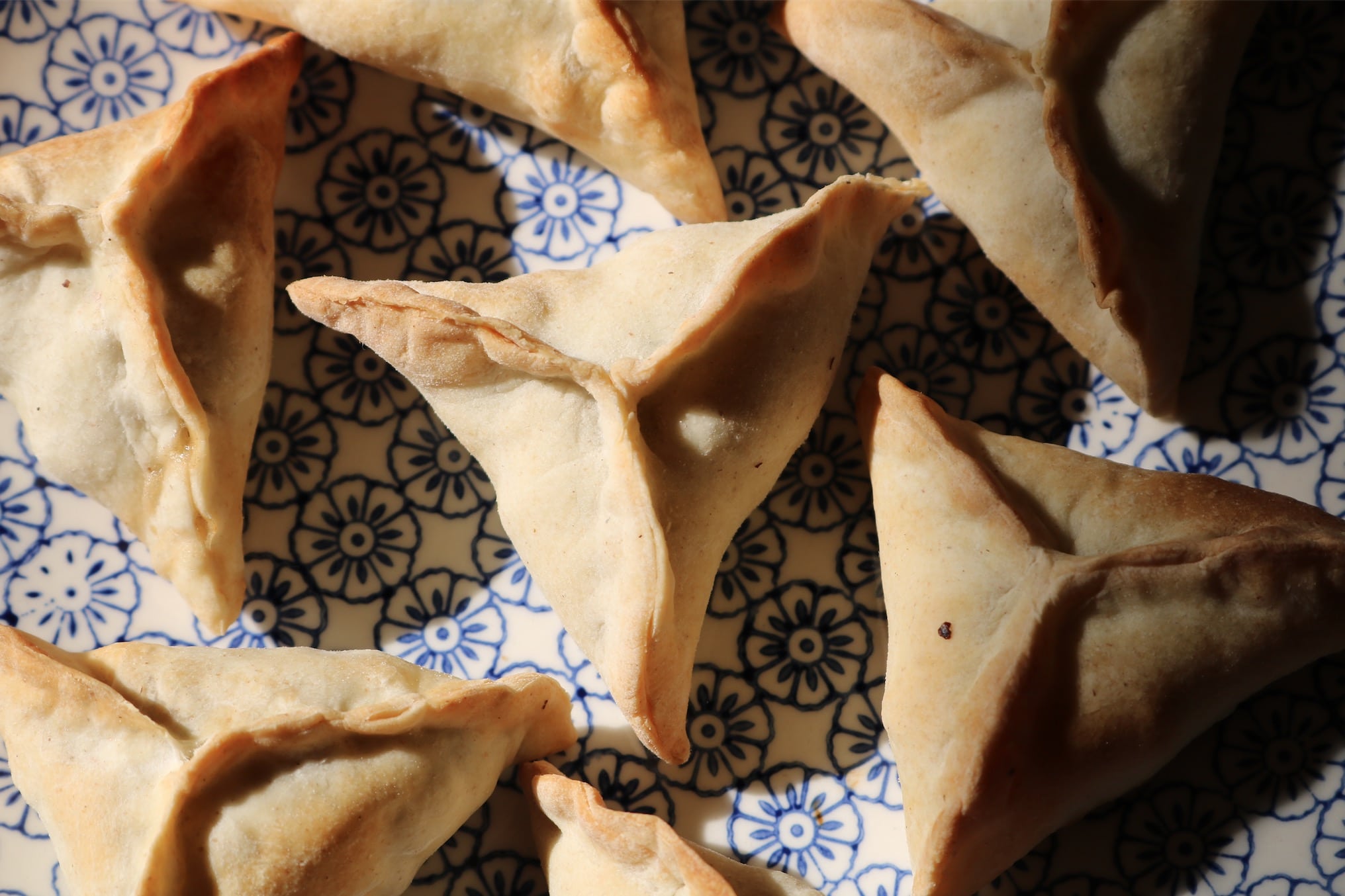 Mutabbaq
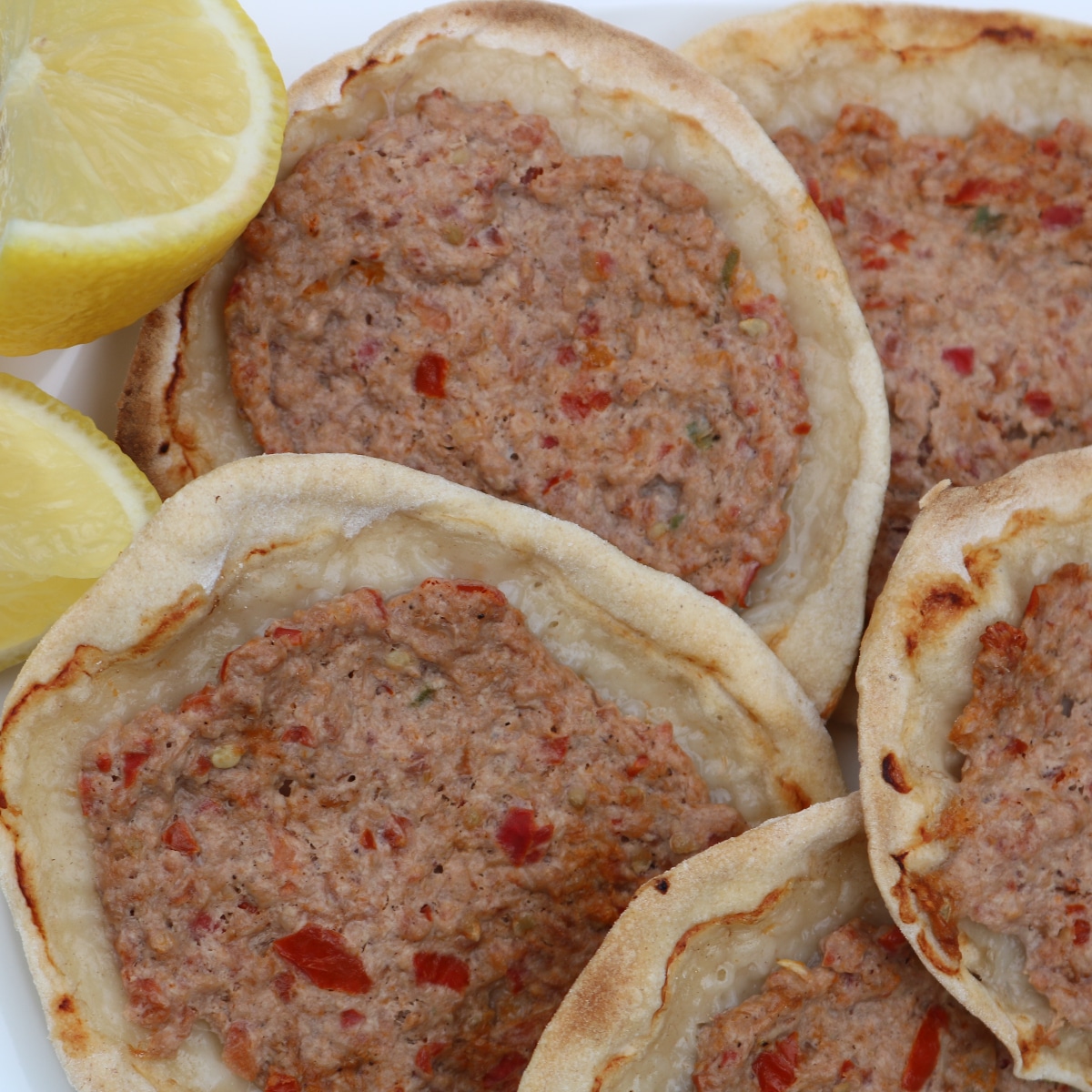 Sabayah
Key Flavors
pastry
overnight
street food
stuffed
bread
flaky
vegetarian
bread
Masters of the Kitchen
The chefs who shaped Yemeni cuisine
Abdul Karim Al-Arashi
Yemeni chef who has promoted traditional Yemeni cuisine internationally, specia…
Click to read moreEssential Reading
The cookbooks that define Yemeni cuisine
Yemeni Kitchen
Yemeni Kitchen
A collection of traditional Yemeni recipes featuring saltah, mandi, and the rich culinary heritage of the Arabian Penin…
Explore All Dishes
4 authentic recipes from Yemeni cuisine
Difficulty:
Time:
Sort:
Showing 4 of 4 dishes
Medium
📜 Story
Jachnun
Slow-Baked Rolled Pastry
Saturday morning breakfast
Medium
📜 Story
Mutabbaq
Stuffed Savory Pancake
Street food, snack, light dinner
Medium
📜 Story
Sabayah
Layered Honey Flatbread
Breakfast or tea time Medium
📜 Story
Medium
📜 Story
ملوح
Malawach
Breakfast, Sabbath, Friday mornings, Ramadan suhoor