
Yemeni Cuisine
Where Arabia Began
Yemeni cuisine is fiery, aromatic, and deeply satisfying, shaped by ancient spice trade routes. Bold hawaij spice, fenugreek foam, and slow-cooked stews define one of the oldest cooking traditions in the Arab world.
A Culinary Portrait
The heritage, flavors, and traditions of Yemeni cuisine
Ethiopian and Somali influences are evident in the flatbreads and coffee culture, while Indian Ocean trade brought cardamom, turmeric, and tamarind. The Rasulid Dynasty (13th-15th century) presided over a golden age of Yemeni culture, and their court cookbooks documented sophisticated dishes that still appear on Yemeni tables. Hawaii spice blend -- a mixture of cumin, turmeric, cardamom, and black pepper -- is the signature Yemeni seasoning, distinguishing its cuisine from all neighbors. The chewing of qat leaves remains intertwined with social dining culture.
Yemeni meals are communal and generous, typically served on a shared platter on the floor. Lunch is the main meal, often featuring a stew (maraq) with rice or bread. Saltah, the national dish, is served bubbling hot in a stone bowl. Bread is torn by hand and used as the primary utensil.
 Aseed
Aseed
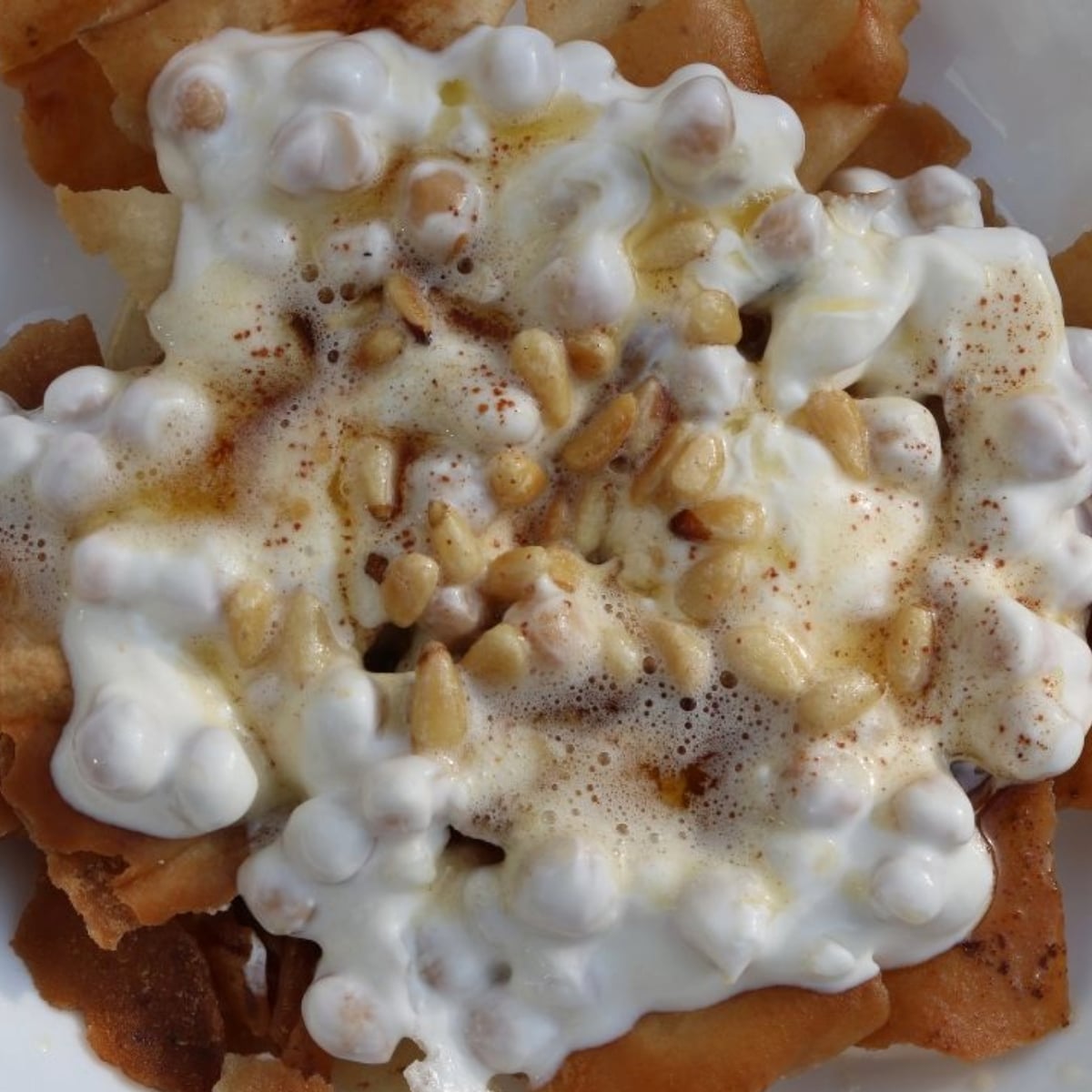 Fattah
Key Flavors
Masters of the Kitchen
The chefs who shaped Yemeni cuisine
Abdul Karim Al-Arashi
Yemeni chef who has promoted traditional Yemeni cuisine internationally, specia…
Click to read moreEssential Reading
The cookbooks that define Yemeni cuisine
Yemeni Kitchen
A collection of traditional Yemeni recipes featuring saltah, mandi, and the rich culinary heritage of the Arabian Penin…
Explore All Dishes
10 authentic recipes from Yemeni cuisine
Easy
📜 Story
Aseed
Yemeni Porridge
Breakfast or lunch, celebrationsFahsa
Whipped Fenugreek Meat Stew
Lunch, especially Friday family gatherings
Medium
📜 Story
Fattah
Bread and Meat Casserole
Lunch, Ramadan iftar Easy
📜 Story
Easy
📜 Story
Ful Medames
Yemeni Spiced Fava Beans
Breakfast staple Hard
📜 Story
Hard
📜 Story
Haneeth
Slow-Roasted Spiced Lamb
Weddings, Eid, major celebrations Medium
📜 Story
Medium
📜 Story
Kabsa
Yemeni Spiced Rice with Chicken
Friday lunch, family meals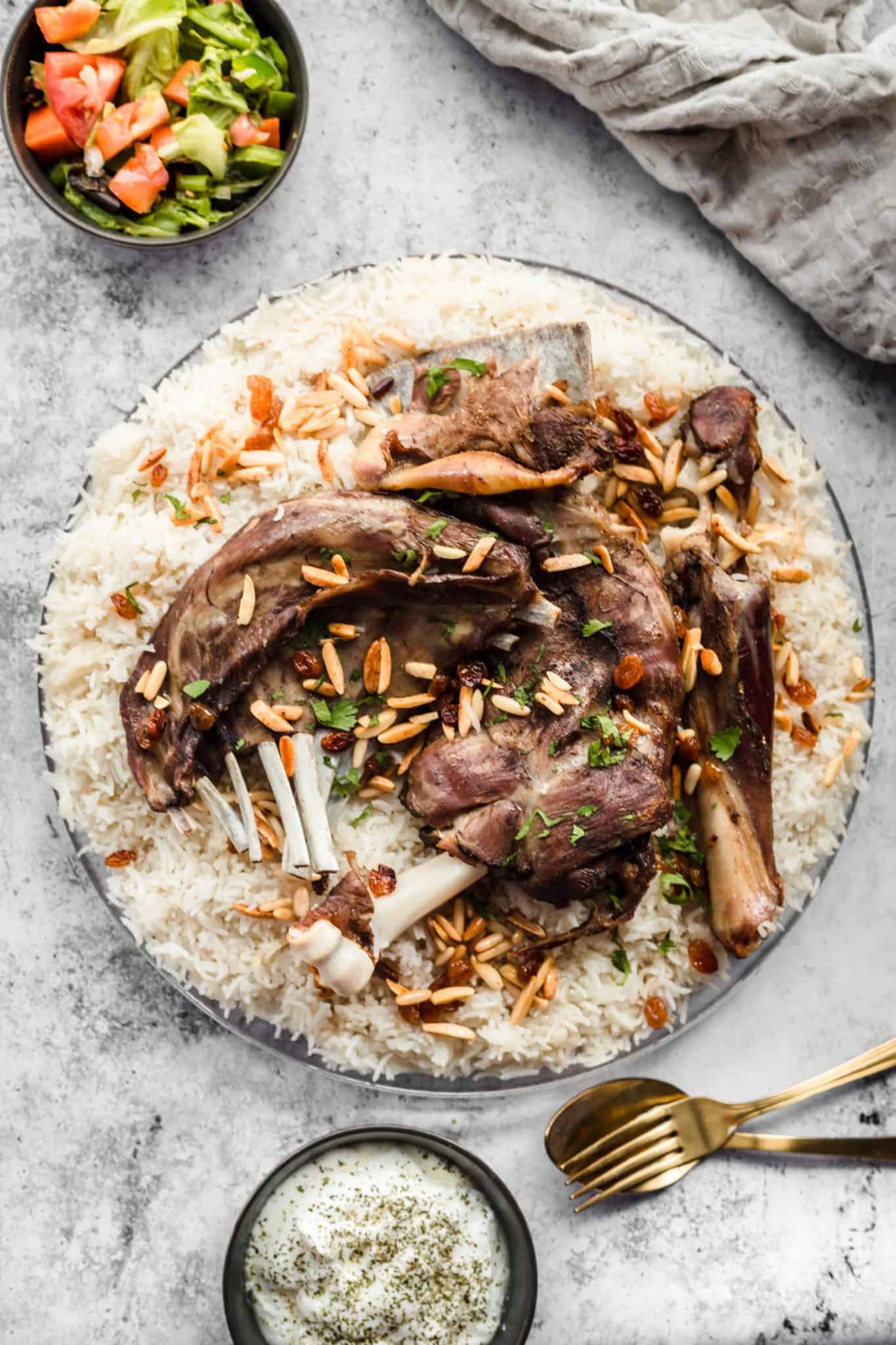 Hard
📜 Story
Hard
📜 Story
Mandi
Smoked Rice with Meat
Festive occasions, Friday lunch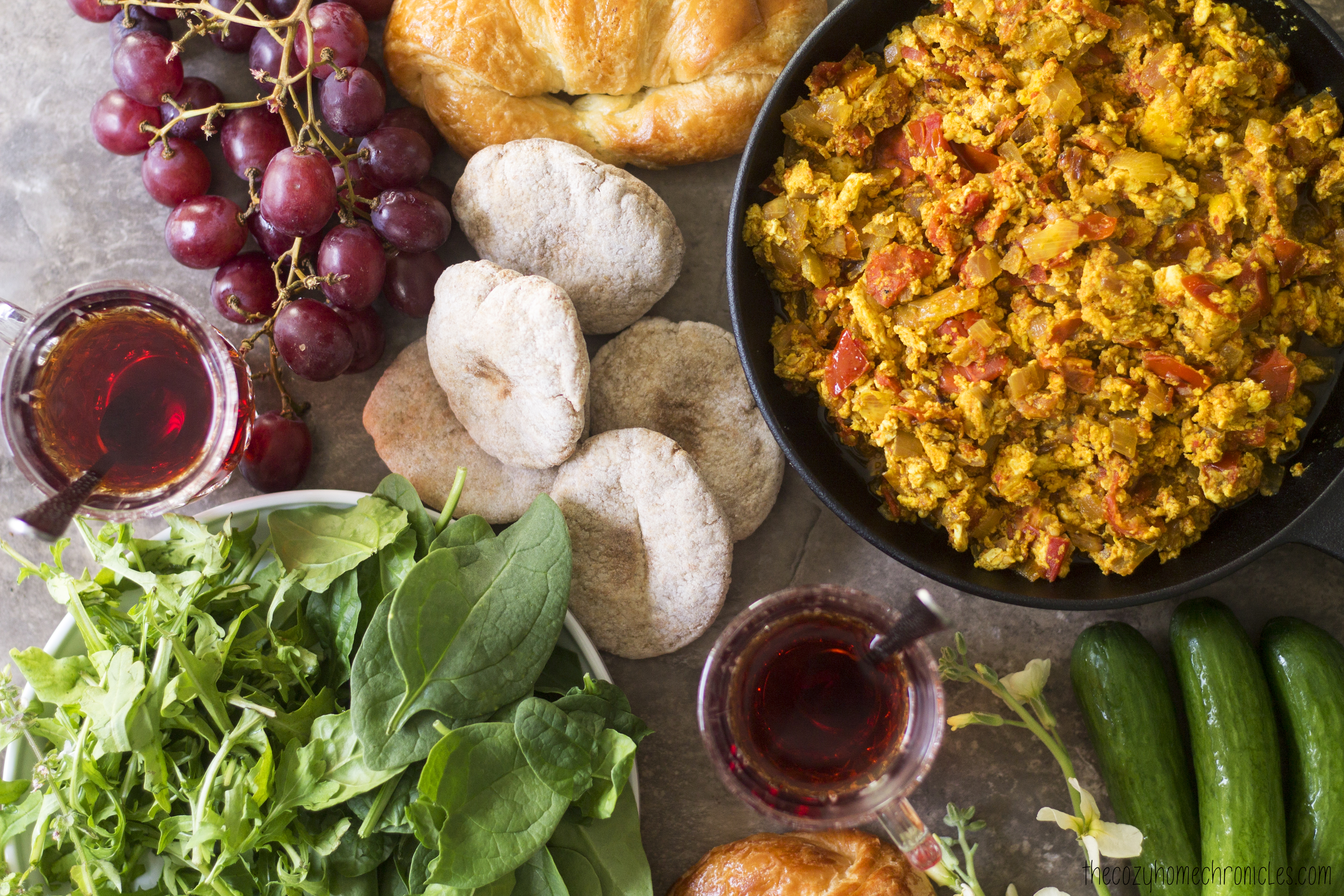 Easy
📜 Story
Easy
📜 Story
Shakshouka
Yemeni Eggs in Spicy Tomato Sauce
Breakfast or light dinner Hard
📜 Story
Hard
📜 Story
زربيان
Zurbian
Weddings, Eid, festive gatherings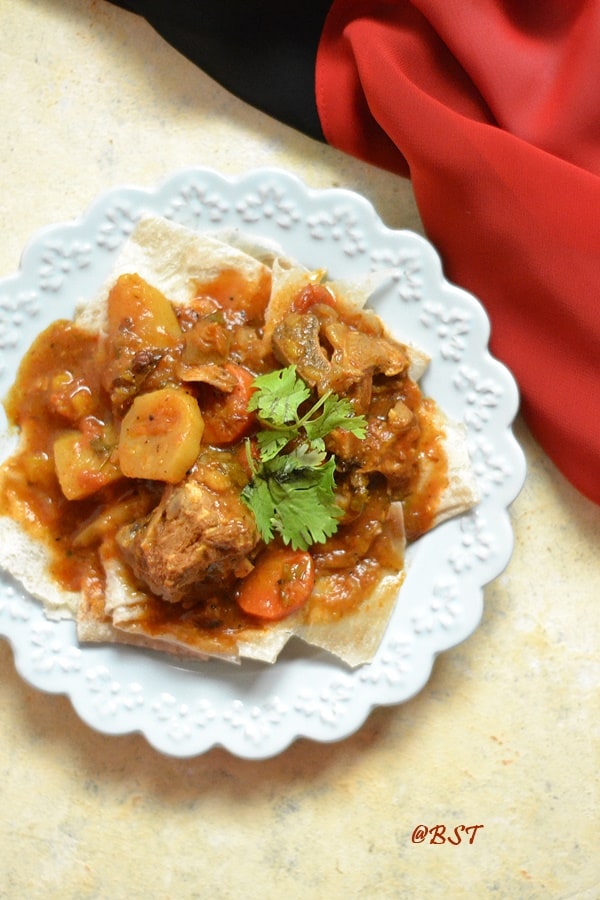 Medium
📜 Story
Medium
📜 Story
سلتة
Saltah
Daily lunch, year-round