
🇵🇬
Papua New Guinean Cuisine
Land of the Unexpected
Oceania
›
Oceania
7
Dishes
5
Categories
Explore
Papua New Guinean cuisine is among the world's most diverse and least known. With over 800 languages, the food varies hugely, but sago, sweet potato, and mumu earth ovens are universal.
A Culinary Portrait
The heritage, flavors, and traditions of Papua New Guinean cuisine
Papua New Guinean cuisine represents one of the world's most ancient and diverse food traditions, born on an island where humans have lived for over fifty thousand years and where over eight hundred languages reflect an extraordinary cultural fragmentation that extends to food. The highlands of PNG are one of the independent centers of agricultural origin, where taro and yam cultivation began thousands of years before the practice reached most of the world. Sweet potato (kaukau), introduced from South America via Southeast Asian trade routes roughly four hundred years ago, revolutionized highland agriculture and now dominates the diet. The hundreds of distinct ethnic groups across PNG's highlands, coastal lowlands, and islands each maintain unique food traditions, making it impossible to speak of a single national cuisine.
Highland cultures center on sweet potato and taro cultivation, with elaborate ceremonial pig feasts (though beef and chicken are common alternatives). Coastal and island communities rely on sago palm starch, fish, and coconut. The mumu (earth oven) cooking method is the universal ceremonial technique across most groups.
German colonial rule (1884-1914) and Australian administration (1914-1975) introduced certain European foods, but their impact on daily eating has been modest outside urban areas. The betel nut (buai) culture is pervasive and accompanies most social interactions. Sweet potato/kaukau (the highland staple), sago (processed palm starch, the lowland staple), coconut (essential in coastal cooking), taro (ancient root crop), and greens (fern tips, sweet potato leaves, and other cultivated and foraged greens).
Highland cultures center on sweet potato and taro cultivation, with elaborate ceremonial pig feasts (though beef and chicken are common alternatives). Coastal and island communities rely on sago palm starch, fish, and coconut. The mumu (earth oven) cooking method is the universal ceremonial technique across most groups.
German colonial rule (1884-1914) and Australian administration (1914-1975) introduced certain European foods, but their impact on daily eating has been modest outside urban areas. The betel nut (buai) culture is pervasive and accompanies most social interactions. Sweet potato/kaukau (the highland staple), sago (processed palm starch, the lowland staple), coconut (essential in coastal cooking), taro (ancient root crop), and greens (fern tips, sweet potato leaves, and other cultivated and foraged greens).
 Banana Laplap
Key Flavors
vegetable
quick
banana
baked
taro
coconut
staple
roasted
bamboo cooking
Highlands
vegetable
native
Masters of the Kitchen
The chefs who shaped Papua New Guinean cuisine
Trevor Fauikura
Papua New Guinean chef who has promoted traditional PNG cuisine at Pacific food…
Click to read moreEssential Reading
The cookbooks that define Papua New Guinean cuisine
Pacific Island Food and Nutrition
Pacific Island Food and Nutrition
A comprehensive guide to Pacific Island cuisines including Papua New Guinea's diverse food traditions.
Explore All Dishes
7 authentic recipes from Papua New Guinean cuisine
Difficulty:
Time:
Sort:
Showing 7 of 7 dishes
Aibika Greens
Easy
📜 Story
Aibika Greens
Sauteed Slippery Cabbage
Accompaniment to any meal
Medium
📜 Story
Banana Laplap
Banana and Coconut Bake
Feast daysCoconut Taro
Easy
📜 Story
Coconut Taro
Taro in Coconut Cream
Any meal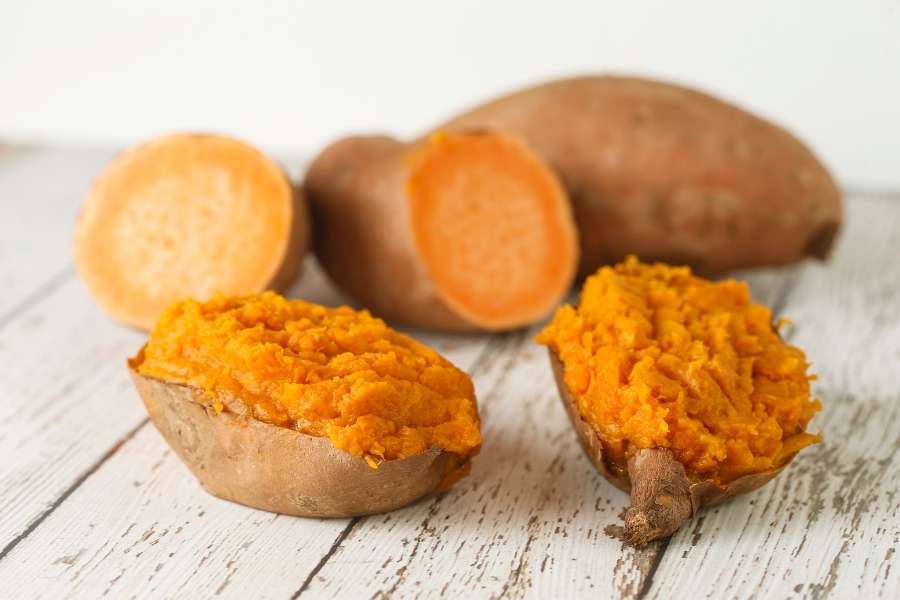 Easy
📜 Story
Easy
📜 Story
Kaukau
Roasted Sweet Potato
Every meal (highland staple)Kumu Musong
Medium
📜 Story
Kumu Musong
Greens in Bamboo
DinnerPitpit
Easy
📜 Story
Pitpit
Wild Sugarcane Shoots
Accompaniment to any meal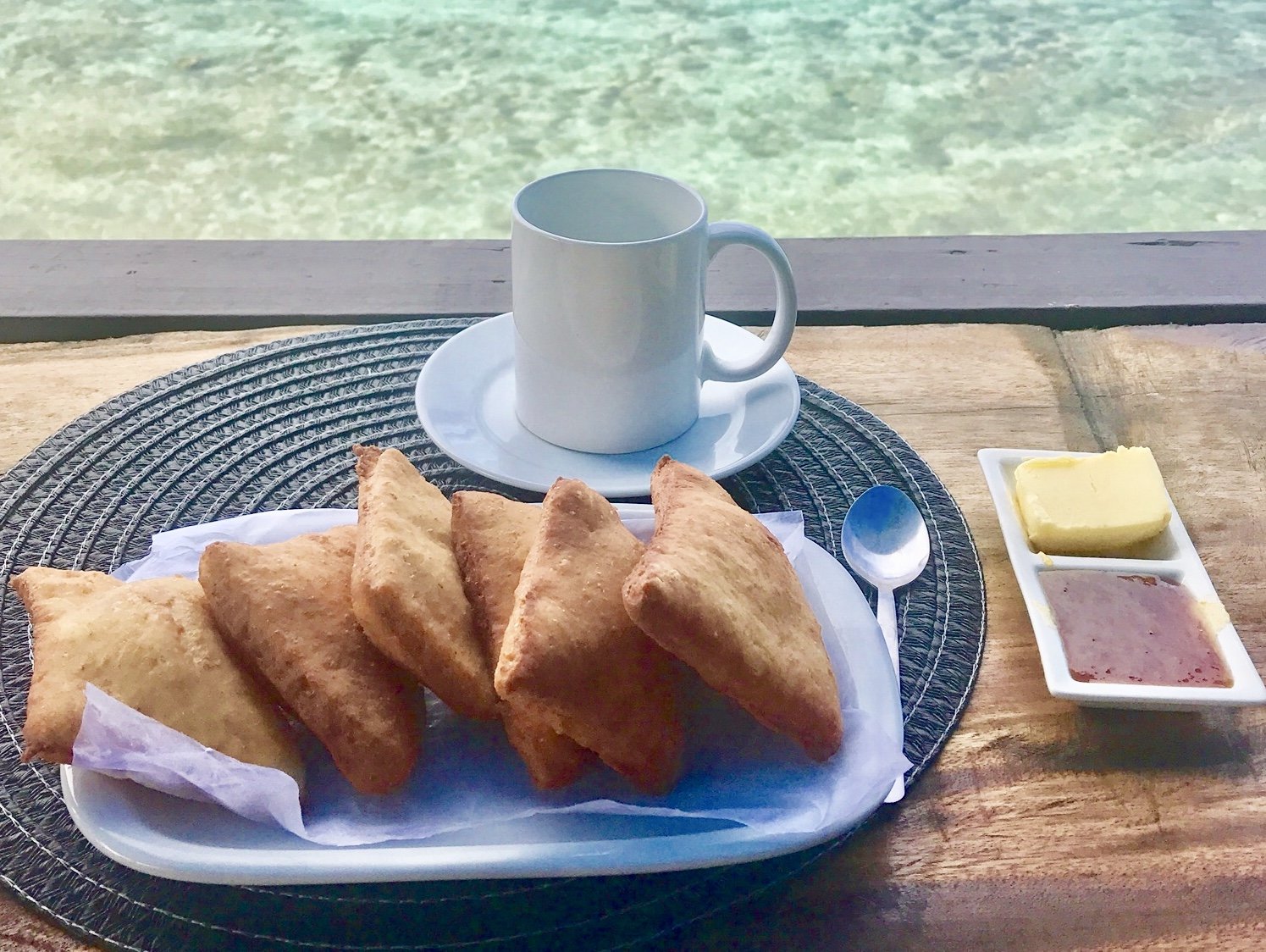 Easy
📜 Story
Easy
📜 Story
Sago Pancakes
Sago Flatbread
All meals