
🇦🇪
Emirati Cuisine
Golden Sands, Golden Flavors
Middle East
›
Middle East
2
Dishes
6
Categories
Explore
Emirati cuisine reflects the UAE's journey from pearling villages to a global crossroads. Traditional Bedouin and coastal dishes feature dates, saffron, dried limes, and aromatic spice blends.
A Culinary Portrait
The heritage, flavors, and traditions of Emirati cuisine
Emirati cuisine is the food of the Arabian desert and the Persian Gulf, shaped by Bedouin nomadic traditions, maritime trade, and pearl-diving culture that sustained the coastal communities long before the discovery of oil transformed the region. The harsh desert environment demanded a cuisine of preservation and resourcefulness: dried fish, dried limes (loomi), dates, camel milk, and simple flatbreads formed the Bedouin diet, while coastal communities relied on fresh fish, shrimp, and the trading goods that passed through ports like Dubai, Sharjah, and Abu Dhabi. The date palm is sacred to Emirati food culture, providing fruit, syrup, vinegar, and a symbol of hospitality that endures in every Emirati home. The Gulf's position as a maritime crossroads brought Persian, Indian, East African, and Levantine flavors into Emirati kitchens over centuries.
Iranian influence is evident in rice preparations and the use of saffron and dried limes. Indian traders introduced curry spices, lentil dishes, and flatbreads. East African connections through Zanzibar and the Swahili coast contributed coconut, tamarind, and grilling techniques.
The oil boom of the twentieth century brought massive immigration, making the UAE one of the world's most cosmopolitan food scenes, yet traditional Emirati cuisine maintains a distinct identity rooted in Bedouin values of simplicity, generosity, and respect for the desert's provisions. Loomi (dried black lime, the signature Gulf souring agent), bezar (a warm Emirati spice blend of cumin, coriander, cinnamon, and black pepper), saffron (used in rice and desserts), rosewater (for sweets and beverages), and dates (the anchor of Emirati hospitality and cuisine).
Iranian influence is evident in rice preparations and the use of saffron and dried limes. Indian traders introduced curry spices, lentil dishes, and flatbreads. East African connections through Zanzibar and the Swahili coast contributed coconut, tamarind, and grilling techniques.
The oil boom of the twentieth century brought massive immigration, making the UAE one of the world's most cosmopolitan food scenes, yet traditional Emirati cuisine maintains a distinct identity rooted in Bedouin values of simplicity, generosity, and respect for the desert's provisions. Loomi (dried black lime, the signature Gulf souring agent), bezar (a warm Emirati spice blend of cumin, coriander, cinnamon, and black pepper), saffron (used in rice and desserts), rosewater (for sweets and beverages), and dates (the anchor of Emirati hospitality and cuisine).
 Khameer
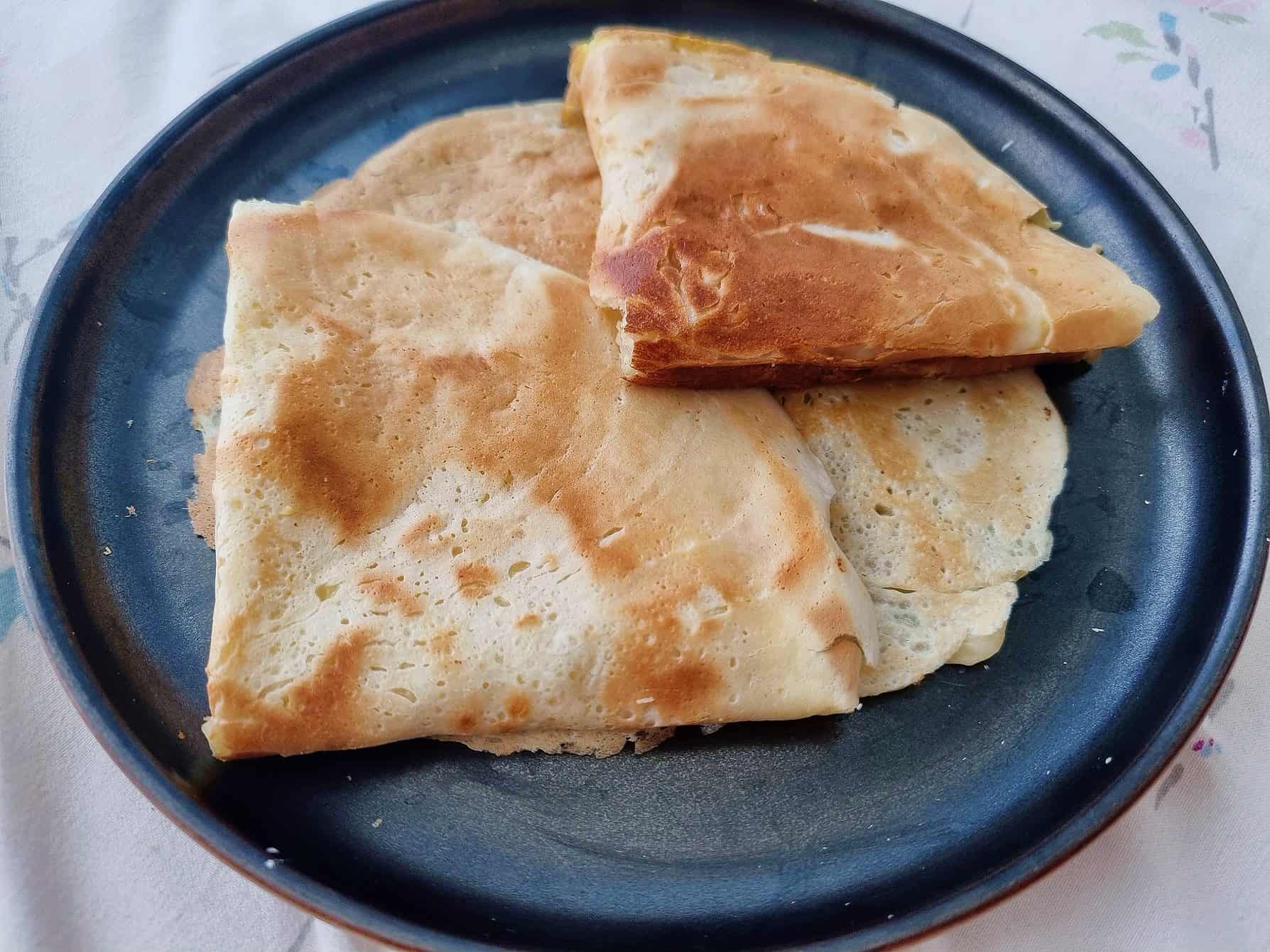 Regag
Regag
Key Flavors
bread
breakfast
bread
street-food
Masters of the Kitchen
The chefs who shaped Emirati cuisine
Khulood Atiq
Emirati chef and food writer who has been instrumental in preserving and promot…
Click to read moreEssential Reading
The cookbooks that define Emirati cuisine
Saffron and Sumac: The Cuisine of the U…
Saffron and Sumac: The Cuisine of the UAE
An exploration of traditional Emirati cuisine featuring recipes for machboos, harees, and other staple dishes.
Explore All Dishes
2 authentic recipes from Emirati cuisine
Difficulty:
Time:
Sort:
Showing 2 of 2 dishes