
A once-a-year ceremonial soup made with twelve grains and legumes, salt cod, and a rich milk-based broth, served only during Easter — Ecuador's most sacred dish.
Nutrition & Info
Allergen Warnings
Equipment Needed
Presentation Guide
Vessel: deep ceramic bowl
Garnishes: hard-boiled egg, fried plantain, mini empanada
Accompaniments: molo (mashed plantain)
Instructions
-
1
Soak all dried beans and grains overnight. Cook each separately until tender. Drain.
-
2
Soak salt cod 24 hours, changing water three times. Shred into pieces.
-
3
Make a refrito: sauté onion, garlic in achiote oil with cumin. Add ground peanuts.
-
4
Combine all cooked grains and beans in the large pot. Add refrito and milk.
-
5
Add salt cod. Simmer gently 20 min, stirring carefully. Add cream and cheese.
-
6
Serve in bowls garnished with hard-boiled egg, fried plantain, and mini empanadas.
Did You Know?
The twelve grains in fanesca represent the twelve apostles — preparing it is considered a spiritual act, and families spend the entire day cooking it together.
Chef's Notes
Equipment Tips
- very large pot
- blender
- multiple saucepans
Garnishing
hard-boiled egg, fried plantain, mini empanada
Accompaniments
molo (mashed plantain)
The Story Behind Fanesca
Fanesca is Ecuador's most culturally significant dish, a pre-Columbian harvest celebration that was syncretized with Catholic Holy Week traditions. The twelve grains symbolize the apostles, and the salt cod represents Christ. Preparing fanesca is a communal ritual requiring multiple days of soaking, cooking, and assembling. It is served exclusively during Semana Santa.
More Ecuadorian Dishes
 Medium
📜 Story
Medium
📜 Story
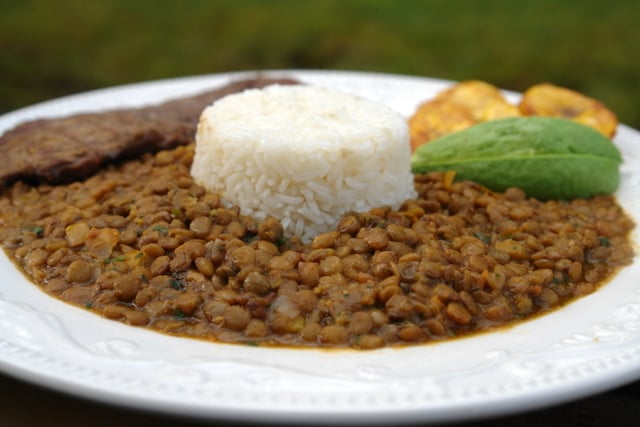
Arroz con Menestra y Carne
Rice with Lentil Stew and Grilled Beef
Lunch Easy
📜 Story
Easy
📜 Story
Bolón de Verde
Green Plantain Dumpling
Breakfast Easy
📜 Story
Easy
📜 Story
Caldo de Gallina
Hen Broth Soup
Lunch, especially when feeling unwell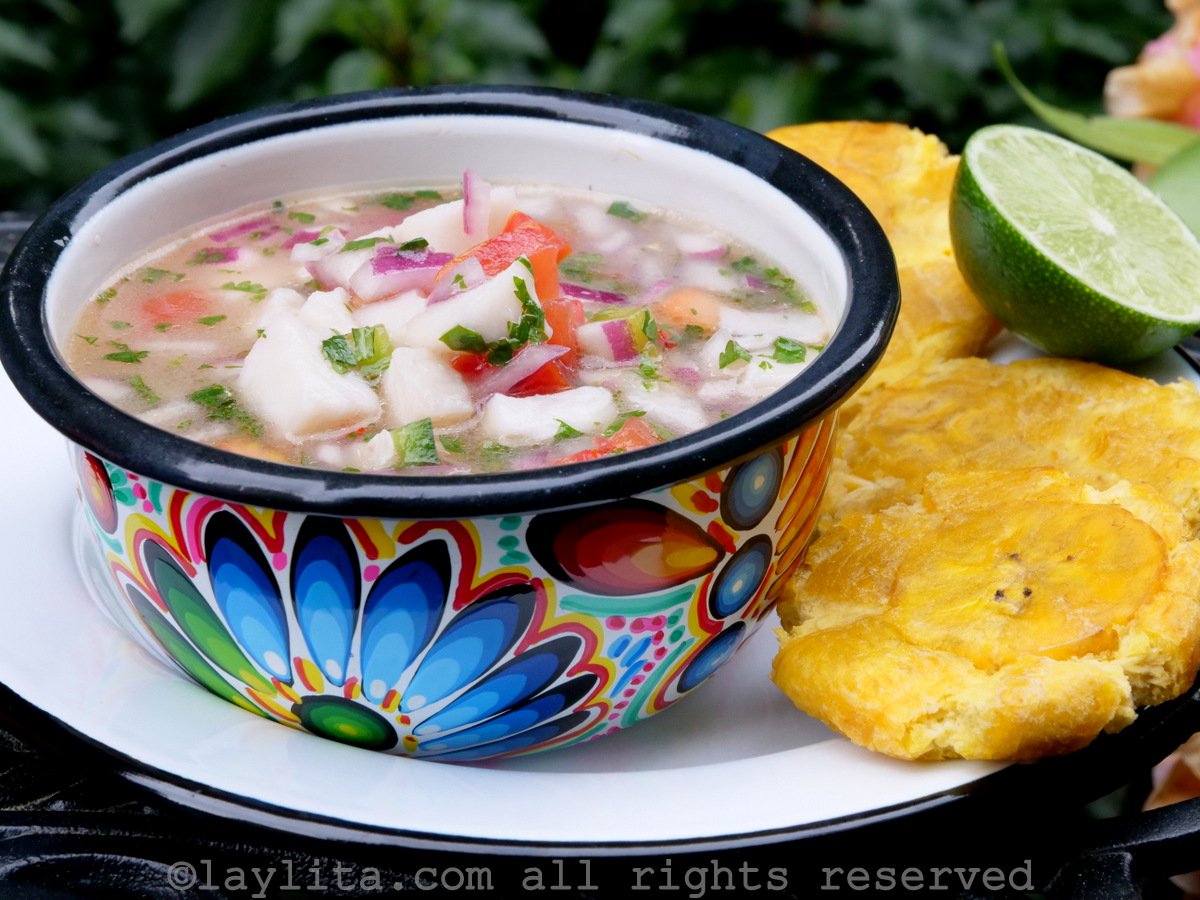 Easy
📜 Story
Easy
📜 Story
Ceviche Ecuatoriano
Ecuadorian Shrimp Ceviche
Lunch, especially weekends
Comments (0)
Log in to leave a comment.
No comments yet. Be the first to share your thoughts!