
🇿🇼
Zimbabwean Cuisine
Land of the Great Stone Houses
Africa
›
Southern Africa
1
Dishes
4
Categories
Explore
Zimbabwean cuisine is hearty southern African fare built around sadza (maize porridge), leafy greens, and grilled meats that sustain and bring communities together.
A Culinary Portrait
The heritage, flavors, and traditions of Zimbabwean cuisine
Zimbabwean cuisine is the cooking tradition of a Southern African nation named for the Great Zimbabwe stone ruins, the magnificent medieval city that was the center of a powerful trading kingdom. The Shona and Ndebele peoples, who constitute the vast majority of the population, developed food traditions centered on sadza (a thick maize porridge identical to Zambian nshima), relishes of vegetables, legumes, and meat, and the ingenious use of wild greens, insects, and game that the savanna and woodland provide. The Zimbabwe plateau's moderate climate and fertile soils support cultivation of maize, groundnuts, beans, and a variety of vegetables. The Great Zimbabwe kingdom (eleventh through fifteenth centuries) presided over a sophisticated trading civilization that exchanged gold, ivory, and cattle for goods from the Swahili coast, India, and China, though culinary evidence from this period is limited.
Portuguese traders from the sixteenth century introduced maize from the Americas, which gradually replaced millet and sorghum as the staple grain. British colonial rule (as Rhodesia) introduced European farming practices, tea culture, and certain baking traditions. Indian immigrants contributed curry spices and cooking techniques.
Despite these influences, the Shona and Ndebele cooking traditions of sadza, wild greens, and groundnut-based relishes remain the foundation of everyday eating. Mealie meal (ground white maize for sadza), groundnuts (peanuts, essential for dovi and other dishes), dried vegetables (muboora/pumpkin leaves, dried and stored for lean seasons), matemba (dried kapenta fish), and rapoko (finger millet, used in traditional beer and porridge).
Portuguese traders from the sixteenth century introduced maize from the Americas, which gradually replaced millet and sorghum as the staple grain. British colonial rule (as Rhodesia) introduced European farming practices, tea culture, and certain baking traditions. Indian immigrants contributed curry spices and cooking techniques.
Despite these influences, the Shona and Ndebele cooking traditions of sadza, wild greens, and groundnut-based relishes remain the foundation of everyday eating. Mealie meal (ground white maize for sadza), groundnuts (peanuts, essential for dovi and other dishes), dried vegetables (muboora/pumpkin leaves, dried and stored for lean seasons), matemba (dried kapenta fish), and rapoko (finger millet, used in traditional beer and porridge).
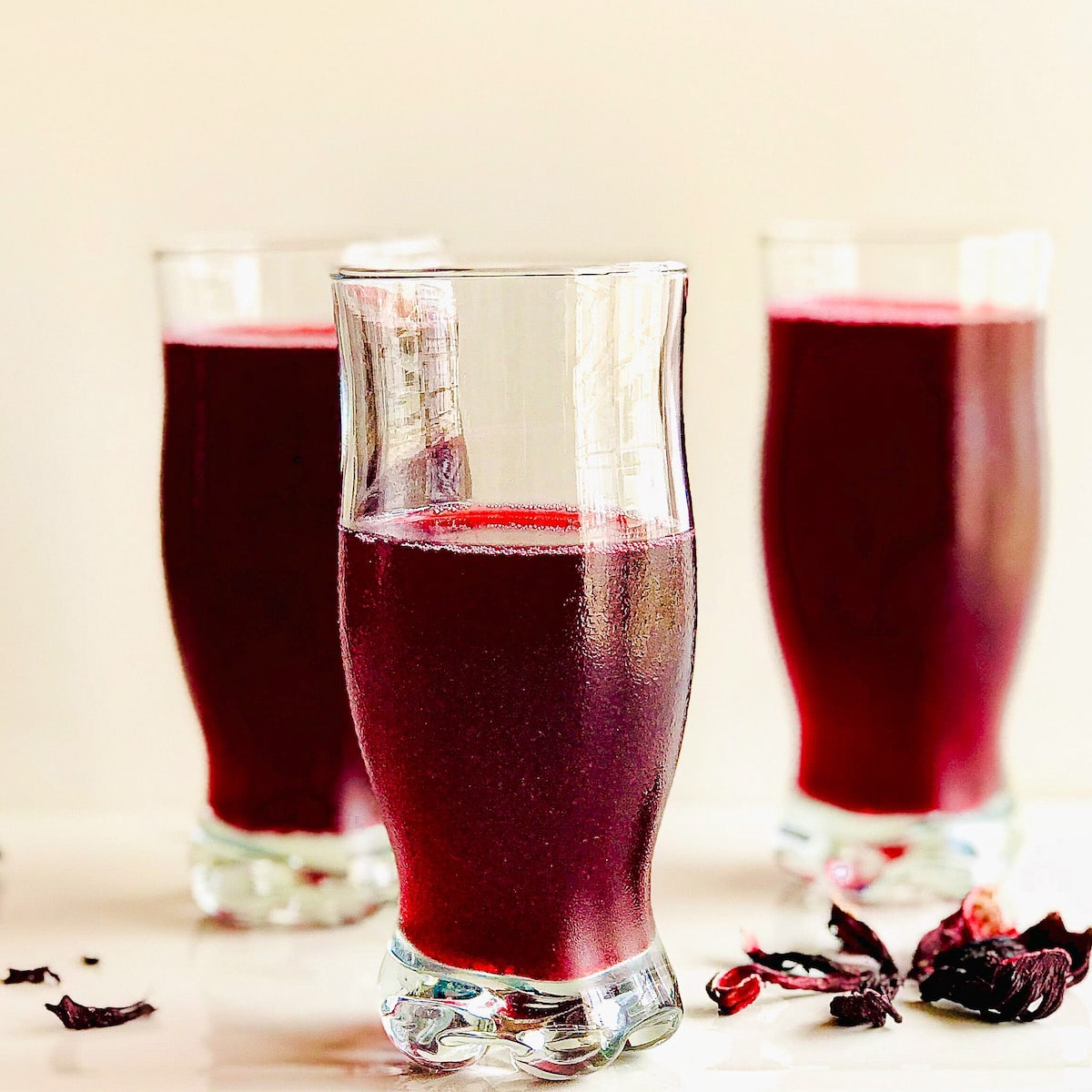 Maheu
Maheu
Key Flavors
drink
fermented
Masters of the Kitchen
The chefs who shaped Zimbabwean cuisine
Tinashe Mutarisi
Zimbabwean chef and food entrepreneur who has promoted traditional Zimbabwean c…
Click to read moreEssential Reading
The cookbooks that define Zimbabwean cuisine
In Bibi's Kitchen
In Bibi's Kitchen
Includes Southern and East African recipes and stories celebrating the region's culinary heritage.
Explore All Dishes
1 authentic recipes from Zimbabwean cuisine
Difficulty:
Time:
Sort:
Showing 1 of 1 dishes