🇿🇲
Zambian Cuisine
Real Africa, Real Flavors
Africa
›
Southern Africa
6
Dishes
5
Categories
Explore
Zambian cuisine centers on nshima (maize porridge) accompanied by relishes of vegetables, beans, fish, or meat, reflecting the country's agricultural heartland.
A Culinary Portrait
The heritage, flavors, and traditions of Zambian cuisine
Zambian cuisine is the cooking tradition of a landlocked Southern African nation blessed with fertile soils, abundant freshwater from the Zambezi River system, and a plateau climate that supports diverse agriculture. The Bantu-speaking peoples who make up the vast majority of Zambia's population, including the Bemba, Tonga, Lozi, and over seventy other ethnic groups, developed food traditions centered on nshima (a thick maize porridge), relishes of leafy greens, beans, dried fish, and groundnuts. Maize, introduced from the Americas through Portuguese trade networks, displaced the earlier staples of millet and sorghum to become the undisputed foundation of the national diet. The region's agricultural traditions predate European contact by millennia, with iron-working farming communities cultivating finger millet, sorghum, and beans across the Central African plateau.
Arab and Swahili traders from the east coast brought certain spices and trade goods. British colonial rule (as Northern Rhodesia) introduced commercial farming, tea plantations, and European food traditions. Indian immigrants brought curry spices and cooking techniques.
The copper-mining communities of the Copperbelt developed their own food culture, influenced by miners from across Southern Africa and the need for calorie-dense meals. Mealie meal (ground white maize flour, the foundation of nshima), groundnuts (peanuts, ground into powder for sauces and relishes), dried fish (kapenta from Lake Kariba and Lake Tanganyika), leafy greens (rape, pumpkin leaves, and cassava leaves), and beans (various varieties served as relishes).
Arab and Swahili traders from the east coast brought certain spices and trade goods. British colonial rule (as Northern Rhodesia) introduced commercial farming, tea plantations, and European food traditions. Indian immigrants brought curry spices and cooking techniques.
The copper-mining communities of the Copperbelt developed their own food culture, influenced by miners from across Southern Africa and the need for calorie-dense meals. Mealie meal (ground white maize flour, the foundation of nshima), groundnuts (peanuts, ground into powder for sauces and relishes), dried fish (kapenta from Lake Kariba and Lake Tanganyika), leafy greens (rape, pumpkin leaves, and cassava leaves), and beans (various varieties served as relishes).
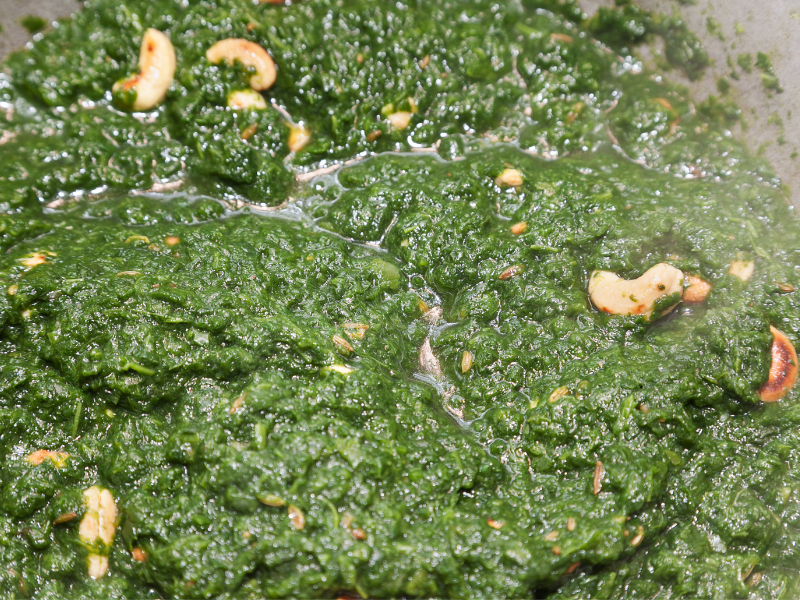 Chikanda
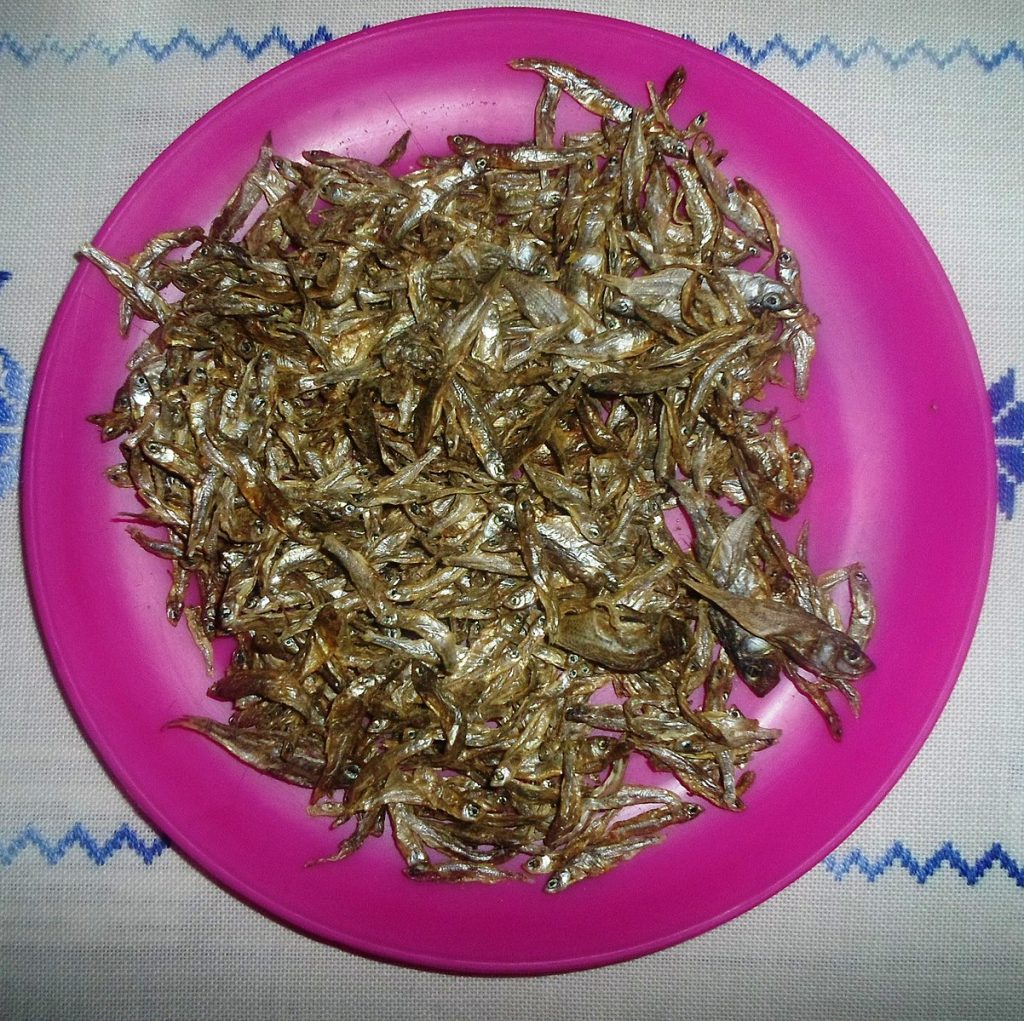 Dried Kapenta
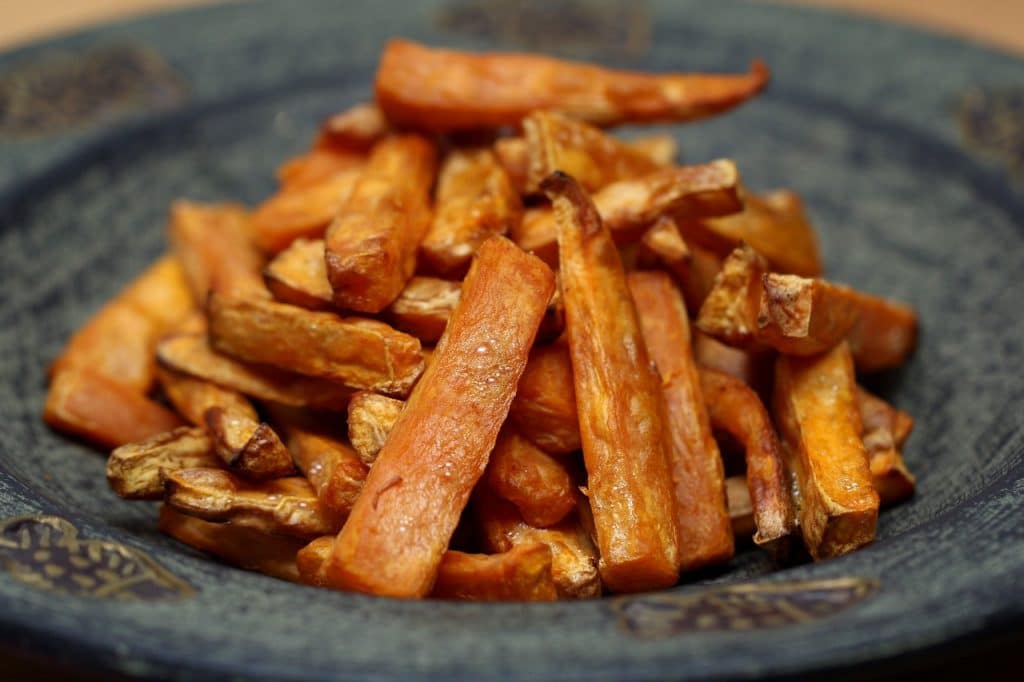 Kandolo
Key Flavors
unique
orchid
fish
crispy
sweet potato
breakfast
maize
peanuts
insect
protein
fritters
banana
Masters of the Kitchen
The chefs who shaped Zambian cuisine
Mwansa Chalwe Snr
Zambian chef and culinary educator who has promoted traditional Zambian cuisine…
Click to read moreEssential Reading
The cookbooks that define Zambian cuisine
Cooking the East African Way
Cooking the East African Way
A collection of East and Southern African recipes including Zambian cooking traditions.
Explore All Dishes
6 authentic recipes from Zambian cuisine
Difficulty:
Time:
Sort:
Showing 6 of 6 dishes
Hard
📜 Story
Chikanda
African Polony
Special occasions and markets
Easy
📜 Story
Dried Kapenta
Crispy Sun-Dried Sardines
Snack or nshima relish
Easy
📜 Story
Kandolo
Boiled Sweet Potatoes
Breakfast or mid-morning snack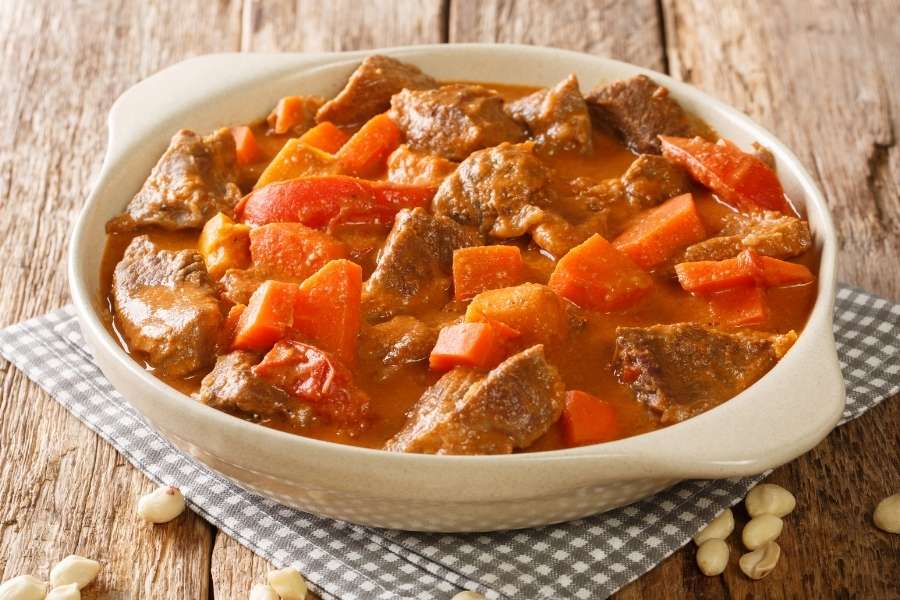 Easy
📜 Story
Easy
📜 Story
Tute ne Mbalala
Roasted Maize with Peanuts
Afternoon snack, travel food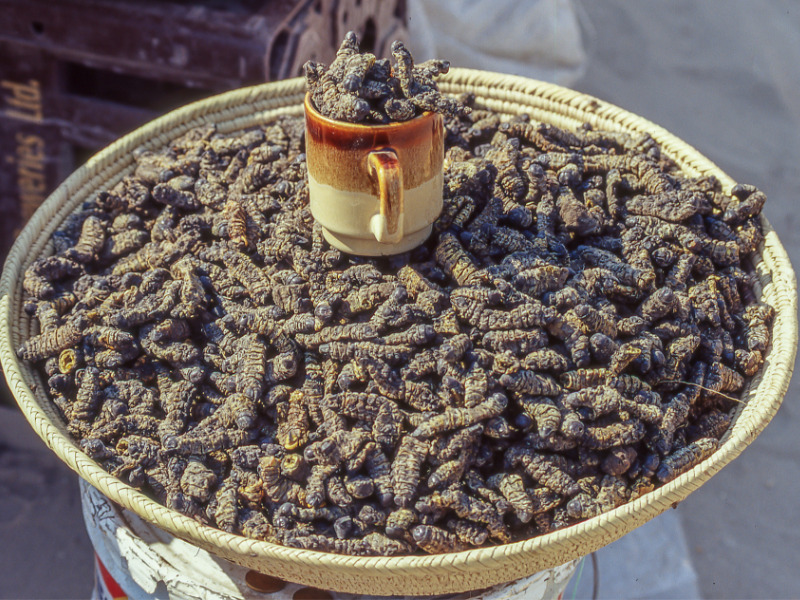 Easy
📜 Story
Easy
📜 Story
Vinkubala
Fried Caterpillars
Snack or relish with nshima Easy
📜 Story
Easy
📜 Story
Vitumbuwa
Banana Fritters
Breakfast or afternoon snack