
🏴
Welsh Cuisine
Land of Song and Lamb
Europe
›
Europe
1
Dishes
5
Categories
Explore
Welsh cuisine celebrates the finest lamb in the world alongside leeks, cheese, and seaweed. Simple, honest cooking that lets exceptional Welsh ingredients shine.
A Culinary Portrait
The heritage, flavors, and traditions of Welsh cuisine
Welsh cuisine is the cooking tradition of a Celtic nation shaped by dramatic mountain landscapes, verdant valleys, and a rugged coastline where the land meets the Irish Sea and Bristol Channel. The Welsh highlands supported a pastoral economy of sheep and cattle grazing on mountain pastures, while the lowlands and valleys produced oats, barley, leeks, and root vegetables. The leek has been Wales's national emblem since at least the seventh century, when Welsh soldiers wore them in their hats to distinguish themselves in battle, and it remains the signature ingredient of Welsh cooking. The harsh climate and mountainous terrain demanded hearty, warming foods: soups, stews, and dense breads that could sustain farming families through long winters.
Celtic traditions provide the deepest culinary roots, including the use of oats, barley, and dairy in everyday cooking. Roman occupation introduced certain agricultural techniques and Mediterranean ingredients. Norman conquest brought French culinary influence to the Welsh aristocracy, while English rule created centuries of cultural exchange and occasional suppression of Welsh traditions.
The coal-mining and industrial communities of South Wales developed their own food culture around the packed lunch (snap) and the need for calorie-dense foods to fuel hard physical labor. Leeks (the national vegetable, used in soups, stews, and pies), lamb (from the mountain flocks that graze on wild herbs and grasses), Welsh cheese (particularly Caerphilly and other traditional varieties), oats (used in cakes, porridge, and bread), and laverbread (processed seaweed, a uniquely Welsh delicacy).
Celtic traditions provide the deepest culinary roots, including the use of oats, barley, and dairy in everyday cooking. Roman occupation introduced certain agricultural techniques and Mediterranean ingredients. Norman conquest brought French culinary influence to the Welsh aristocracy, while English rule created centuries of cultural exchange and occasional suppression of Welsh traditions.
The coal-mining and industrial communities of South Wales developed their own food culture around the packed lunch (snap) and the need for calorie-dense foods to fuel hard physical labor. Leeks (the national vegetable, used in soups, stews, and pies), lamb (from the mountain flocks that graze on wild herbs and grasses), Welsh cheese (particularly Caerphilly and other traditional varieties), oats (used in cakes, porridge, and bread), and laverbread (processed seaweed, a uniquely Welsh delicacy).
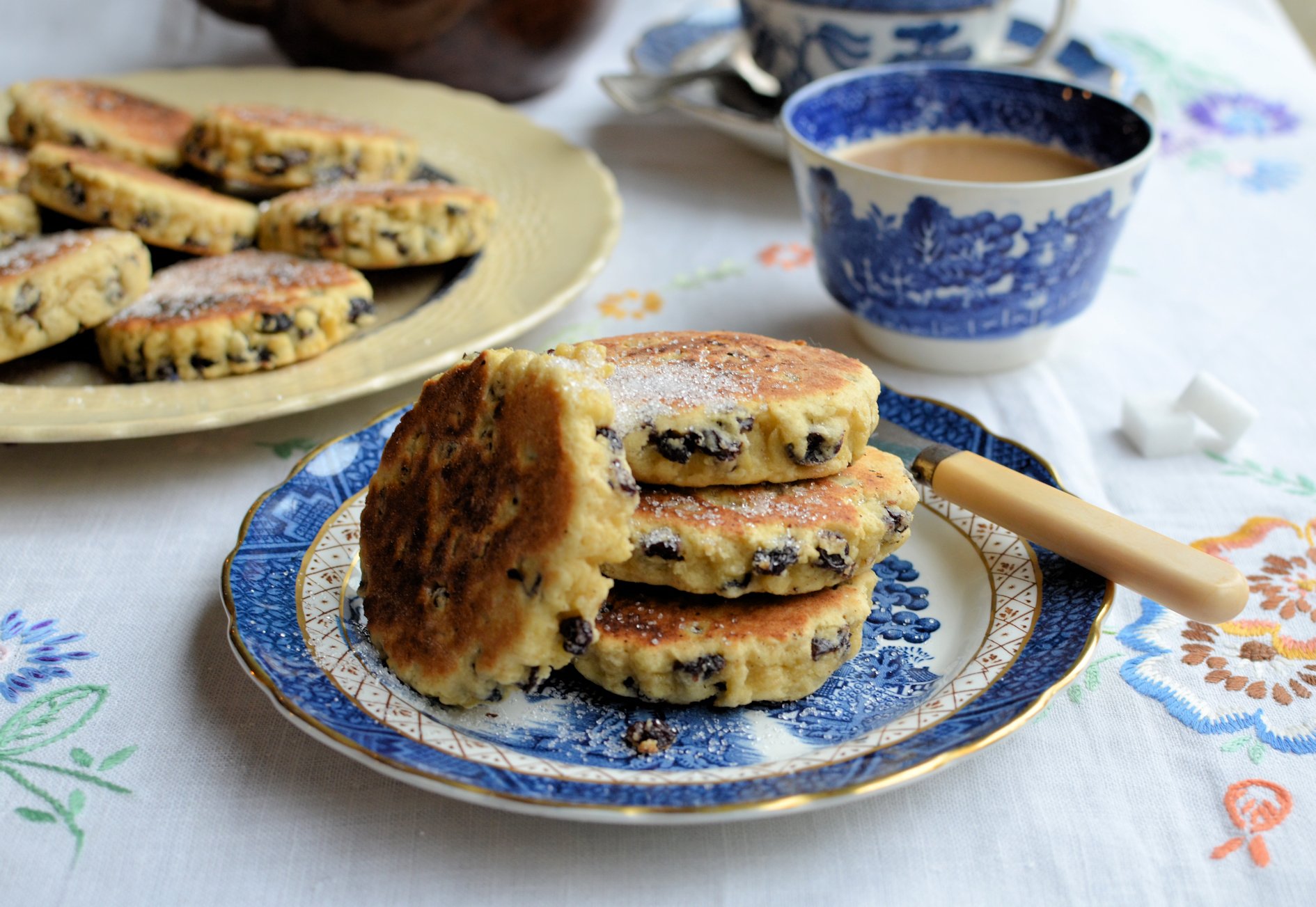 Picau ar y Maen
Key Flavors
griddle
snack
Masters of the Kitchen
The chefs who shaped Welsh cuisine
Bryn Williams
One of Wales' best chefs, originally from Denbigh, now widely regarded as one o…
Click to read moreGareth Ward
Head chef and co-owner of Ynyshir in rural Wales, which has been awarded two Mi…
Click to read moreEssential Reading
The cookbooks that define Welsh cuisine
Harvest
Harvest
A celebration of Welsh food by season from one of the best-known voices of Welsh cooking.
Traditional Welsh Home Cooking
Traditional Welsh Home Cooking
65 classic Welsh recipes from a prolific cookbook author and keen supporter of Welsh food producers.
Explore All Dishes
1 authentic recipes from Welsh cuisine
Difficulty:
Time:
Sort:
Showing 1 of 1 dishes