
🇺🇬
Ugandan Cuisine
The Pearl of Africa
Africa
›
East Africa
1
Dishes
6
Categories
Explore
Ugandan cuisine centers around starchy staples like matoke and posho, paired with rich groundnut sauces and freshwater fish from Lake Victoria.
A Culinary Portrait
The heritage, flavors, and traditions of Ugandan cuisine
Ugandan cuisine is shaped by the extraordinary agricultural fertility of the East African plateau, where abundant rainfall, rich volcanic soils, and the moderating influence of Lake Victoria create ideal growing conditions for an enormous variety of crops. The Bantu-speaking peoples who dominate southern and central Uganda developed a cuisine centered on matoke (cooking bananas), which are steamed, mashed, and served with a variety of stews and sauces. The Nilotic peoples of the north rely more on millet, sorghum, and cattle products, creating a culinary divide that mirrors the country's broader cultural geography. The kingdom of Buganda, the most powerful of Uganda's traditional kingdoms, developed a sophisticated court cuisine centered on matoke and groundnut stews.
Indian immigrants arriving during British colonial rule brought curry spices, chapati, and samosa traditions that became integral to Ugandan urban food culture. Arab traders along the Nile and Lake Victoria introduced certain spices and rice preparations. British colonial influence added tea culture, bread-baking, and certain meat preparations.
The result is a cuisine of remarkable variety, where African, Indian, and Arab influences coexist. Matoke (green cooking bananas, the staple starch of central Uganda), groundnuts (peanuts, ground into sauces and stews), sim sim (sesame, used in pastes and seasonings), cassava (both root and leaves are consumed), and chapati (adopted from Indian immigrants and now ubiquitous).
Indian immigrants arriving during British colonial rule brought curry spices, chapati, and samosa traditions that became integral to Ugandan urban food culture. Arab traders along the Nile and Lake Victoria introduced certain spices and rice preparations. British colonial influence added tea culture, bread-baking, and certain meat preparations.
The result is a cuisine of remarkable variety, where African, Indian, and Arab influences coexist. Matoke (green cooking bananas, the staple starch of central Uganda), groundnuts (peanuts, ground into sauces and stews), sim sim (sesame, used in pastes and seasonings), cassava (both root and leaves are consumed), and chapati (adopted from Indian immigrants and now ubiquitous).
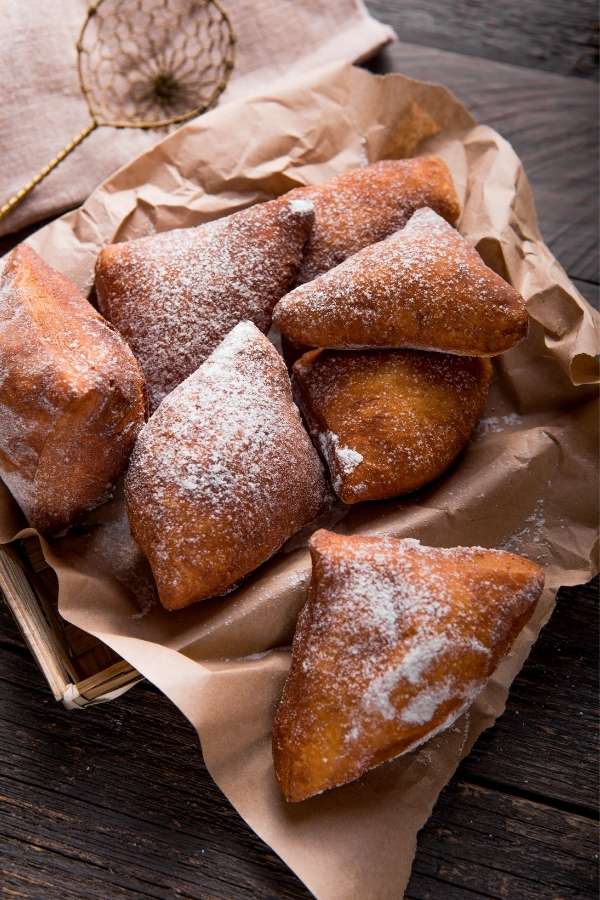 Mandazi
Key Flavors
fried
breakfast
Masters of the Kitchen
The chefs who shaped Ugandan cuisine
Rolex Roux
Ugandan chef who has promoted traditional Ugandan cuisine, particularly the ico…
Click to read moreEssential Reading
The cookbooks that define Ugandan cuisine
In Bibi's Kitchen
In Bibi's Kitchen
Includes East African recipes and stories celebrating the region's culinary heritage, featuring contributions from Ugan…
Explore All Dishes
1 authentic recipes from Ugandan cuisine
Difficulty:
Time:
Sort:
Showing 1 of 1 dishes