🇹🇲
Turkmen Cuisine
Land of Turkmens
Asia
›
Central Asia
2
Dishes
6
Categories
Explore
Turkmen cuisine reflects desert nomadic traditions with hearty lamb dishes, flatbreads, and melon culture. Turkmenistan's legendary sweet melons are considered national treasures.
A Culinary Portrait
The heritage, flavors, and traditions of Turkmen cuisine
Turkmen cuisine is the cooking tradition of Central Asia's most arid nation, shaped by the vast Karakum Desert, the oasis settlements along ancient Silk Road routes, and the nomadic pastoral culture of the Turkmen tribes who herded sheep, goats, camels, and horses across the steppe for centuries. The nomadic heritage produced a cuisine of remarkable efficiency: flatbreads baked in portable clay ovens, dried and preserved meats, fermented dairy products that could survive desert conditions, and pilafs that could feed large gatherings from a single pot. Lamb is the dominant protein, reflecting the centrality of sheep to nomadic Turkmen life.
Persian civilization influenced Turkmen cooking from the south, contributing rice pilaf traditions, dried fruit usage, and sophisticated spice blends. The Silk Road brought Chinese, Indian, and Arab culinary influences through the great trading cities of Merv, Nisa, and Dehistan.
Russian and Soviet rule from the nineteenth century onward introduced bread-baking, vodka, and certain European food traditions. Despite modernization, the nomadic food culture of flatbread, lamb, and dairy remains the foundation of Turkmen cuisine, particularly in rural areas and among the tribal communities that maintain traditional lifestyles. Lamb (the primary meat, used in pilafs, kebabs, and stews), flatbread (chorek and other breads baked in tamdyr clay ovens), sour milk products (chal from camel milk, gatyk from cow's milk), onions (used abundantly in all cooking), and cumin (the essential spice of Turkmen seasoning).
Persian civilization influenced Turkmen cooking from the south, contributing rice pilaf traditions, dried fruit usage, and sophisticated spice blends. The Silk Road brought Chinese, Indian, and Arab culinary influences through the great trading cities of Merv, Nisa, and Dehistan.
Russian and Soviet rule from the nineteenth century onward introduced bread-baking, vodka, and certain European food traditions. Despite modernization, the nomadic food culture of flatbread, lamb, and dairy remains the foundation of Turkmen cuisine, particularly in rural areas and among the tribal communities that maintain traditional lifestyles. Lamb (the primary meat, used in pilafs, kebabs, and stews), flatbread (chorek and other breads baked in tamdyr clay ovens), sour milk products (chal from camel milk, gatyk from cow's milk), onions (used abundantly in all cooking), and cumin (the essential spice of Turkmen seasoning).
 Chorek
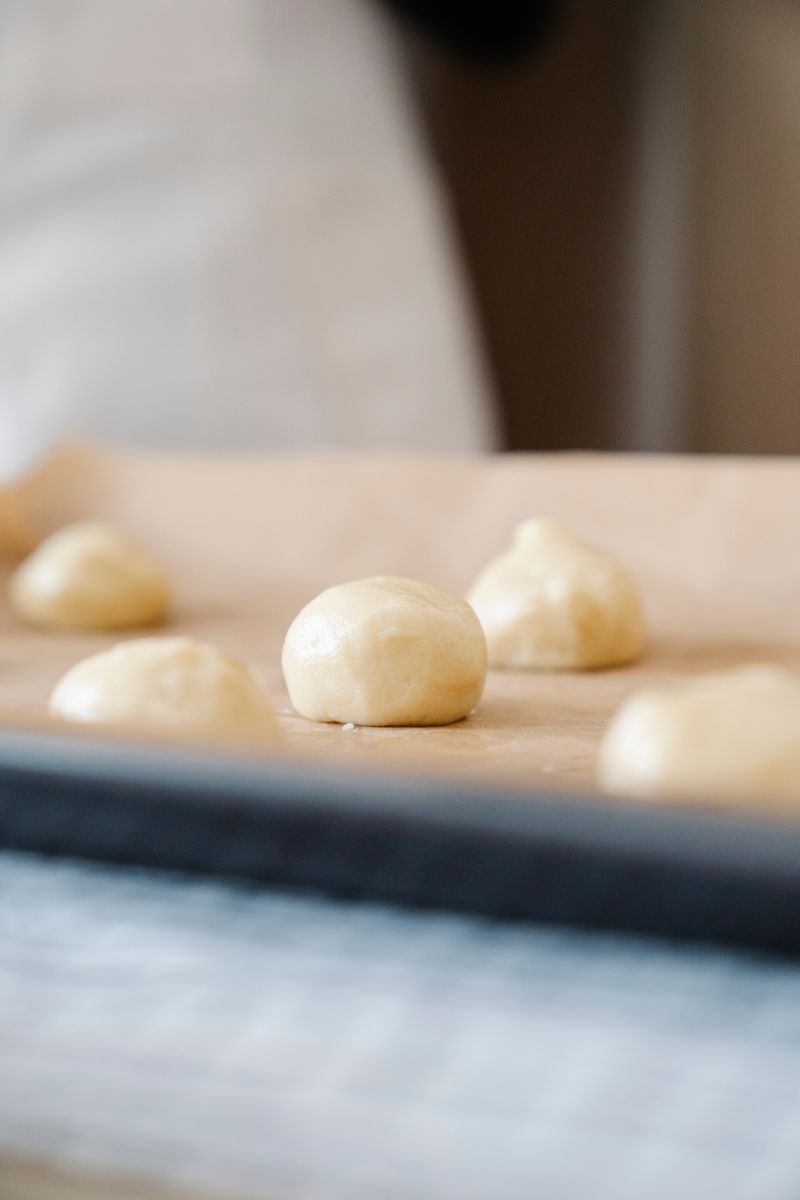 Gatlama
Key Flavors
bread
traditional
bread
fried
Masters of the Kitchen
The chefs who shaped Turkmen cuisine
Merdan Atayev
Turkmen chef who has promoted traditional Turkmen cuisine, featuring dishes lik…
Click to read moreEssential Reading
The cookbooks that define Turkmen cuisine
The Silk Road Gourmet
The Silk Road Gourmet
An exploration of Central Asian cuisines including Turkmen culinary traditions along the ancient trade routes.
Explore All Dishes
2 authentic recipes from Turkmen cuisine
Difficulty:
Time:
Sort:
Showing 2 of 2 dishes