
🇹🇱
Timorese Cuisine
Asia's Youngest Nation
Asia
›
Southeast Asia
3
Dishes
6
Categories
Explore
Timorese cuisine blends Portuguese colonial influences with Austronesian traditions. Corn, cassava, and fresh seafood form the basis of this young nation's evolving food identity.
A Culinary Portrait
The heritage, flavors, and traditions of Timorese cuisine
Timorese cuisine reflects the culinary traditions of one of Southeast Asia's youngest and least-known nations, occupying the eastern half of Timor island and shaped by four centuries of Portuguese colonization, indigenous Austronesian food culture, and the tropical bounty of the Lesser Sunda Islands. The indigenous peoples of Timor cultivated rice, corn, taro, and cassava, fished the rich waters of the Timor Sea, and raised water buffalo, goats, and chickens. The mountainous terrain and seasonal monsoon climate created distinct regional food traditions, with coastal communities relying on fish and lowland crops while highland villages depended on corn, root vegetables, and livestock.
Portuguese colonization from the sixteenth century to 1975 left deep culinary marks: the tradition of cooking with onions, garlic, and tomatoes; the introduction of chili peppers from the Americas; coffee cultivation that became the country's primary export crop; and baked goods including Portuguese-style bread. Indonesian occupation (1975-1999) introduced Indonesian seasonings, sambal, and certain cooking techniques.
Chinese immigrants contributed stir-frying and noodle dishes. Despite these layers, the indigenous Austronesian food culture of root crops, coconut, and grilled or boiled preparations remains the foundation. Corn (the staple grain in many regions, often preferred over rice), coconut (milk and oil used throughout), chili peppers (providing essential heat), tamarind (used as a souring agent), and ai-manas (a local chili paste that accompanies most meals).
Portuguese colonization from the sixteenth century to 1975 left deep culinary marks: the tradition of cooking with onions, garlic, and tomatoes; the introduction of chili peppers from the Americas; coffee cultivation that became the country's primary export crop; and baked goods including Portuguese-style bread. Indonesian occupation (1975-1999) introduced Indonesian seasonings, sambal, and certain cooking techniques.
Chinese immigrants contributed stir-frying and noodle dishes. Despite these layers, the indigenous Austronesian food culture of root crops, coconut, and grilled or boiled preparations remains the foundation. Corn (the staple grain in many regions, often preferred over rice), coconut (milk and oil used throughout), chili peppers (providing essential heat), tamarind (used as a souring agent), and ai-manas (a local chili paste that accompanies most meals).
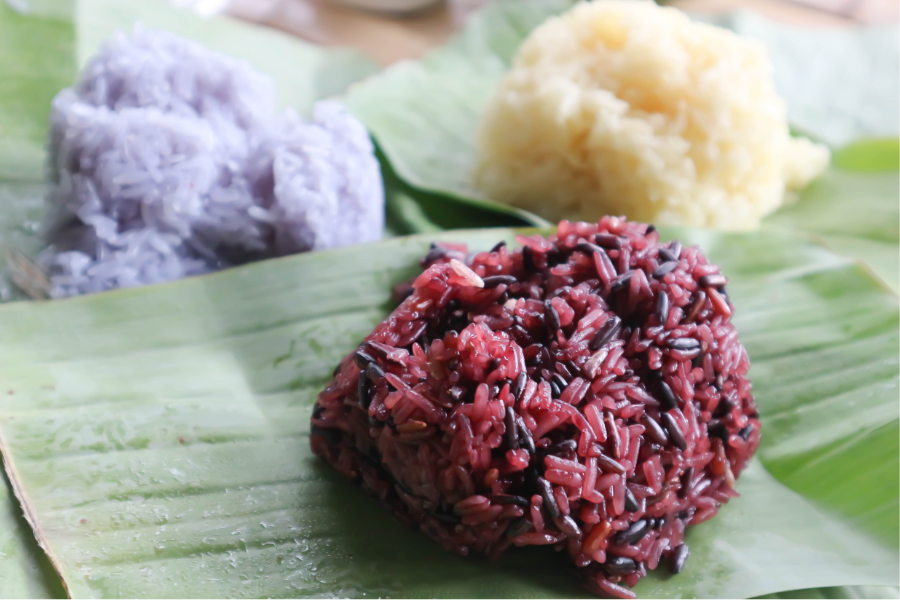 Ai Farina
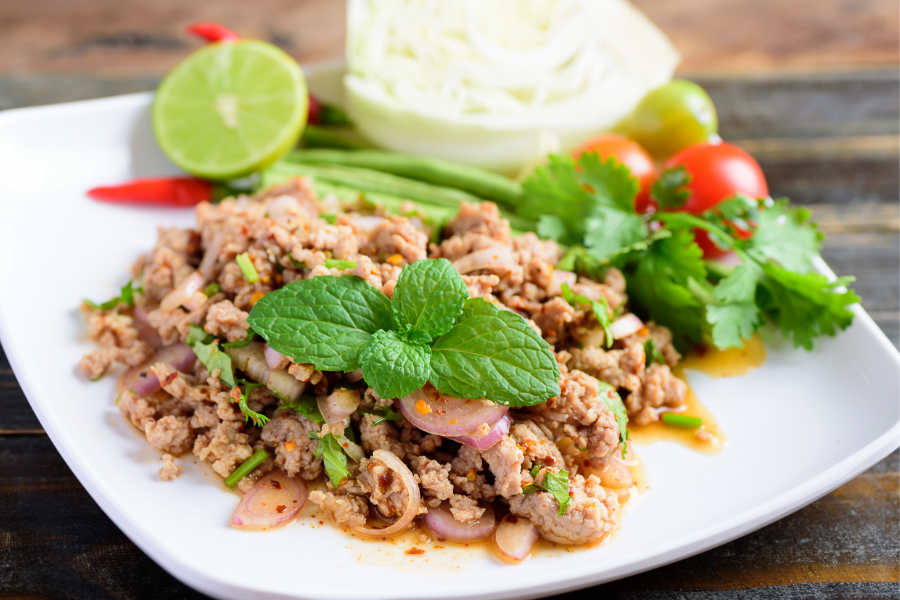 Sukaer
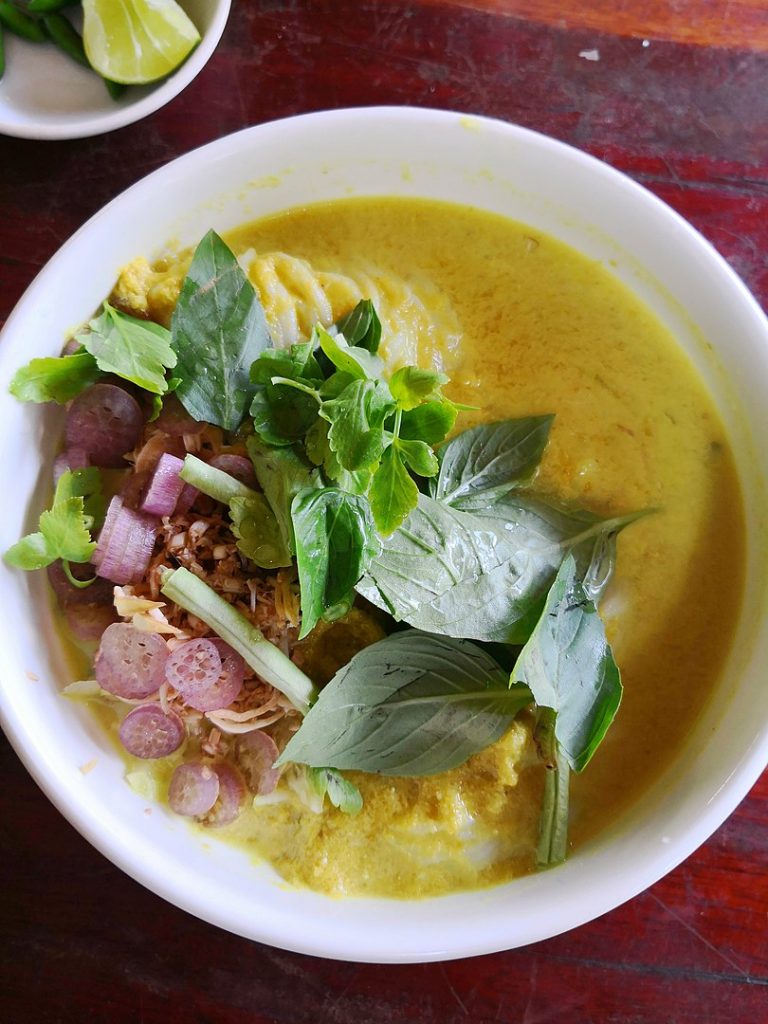 Uhi Fohuk
Key Flavors
porridge
cassava
sweet
palm sugar
yam
roasted
Masters of the Kitchen
The chefs who shaped Timorese cuisine
Luis Cardoso
Timorese chef who has promoted the cuisine of Timor-Leste, featuring dishes tha…
Click to read moreEssential Reading
The cookbooks that define Timorese cuisine
The Food of Southeast Asia
The Food of Southeast Asia
A comprehensive guide to Southeast Asian cuisines including Timorese food traditions.
Explore All Dishes
3 authentic recipes from Timorese cuisine
Difficulty:
Time:
Sort:
Showing 3 of 3 dishes