🇹🇿
Tanzanian Cuisine
Karibu Chakula — Welcome to the Table
Other
›
Sub-Saharan Africa
6
Dishes
6
Categories
Explore
Tanzanian cuisine blends Bantu, Arab, and Indian flavors into hearty, welcoming dishes. From Zanzibar's spice-laden cooking to the mainland's ugali traditions, every meal reflects the warmth of Tanzanian hospitality.
A Culinary Portrait
The heritage, flavors, and traditions of Tanzanian cuisine
Tanzanian cuisine is shaped by the country's extraordinary geographic and ethnic diversity, encompassing more than 120 ethnic groups spread across coastal lowlands, the Great Rift Valley, the shores of Lake Victoria, and the slopes of Mount Kilimanjaro. Indigenous agricultural traditions centered on millet, sorghum, bananas, and root vegetables sustained communities for millennia. Arab traders established settlements along the coast beginning in the eighth century, introducing rice, spices, and Islamic dietary traditions that fused with African cooking to create the Swahili culinary tradition shared with coastal Kenya.
Zanzibar, the Spice Islands off Tanzania's coast, became a global spice trading hub, and its influence radiates through all Tanzanian coastal cooking. Cloves, cardamom, cinnamon, black pepper, and nutmeg grown on the islands flavor everything from pilau rice to chai.
Indian and Omani communities established in Zanzibar and Dar es Salaam contributed biryanis, chutneys, and curry techniques. Portuguese and German colonial periods introduced cassava, maize, and institutional cooking methods, while British rule left behind a tea culture that thrives in the Usambara Mountains. Coconut (milk, oil, and fresh-grated flesh, fundamental to coastal dishes), Zanzibari spice blends (complex mixes of clove, cardamom, cinnamon, and black pepper), ugali flour (maize or cassava flour for the daily staple), dried sardines (dagaa, providing protein in inland regions), and tamarind (adding sour notes to sauces and marinades).
Zanzibar, the Spice Islands off Tanzania's coast, became a global spice trading hub, and its influence radiates through all Tanzanian coastal cooking. Cloves, cardamom, cinnamon, black pepper, and nutmeg grown on the islands flavor everything from pilau rice to chai.
Indian and Omani communities established in Zanzibar and Dar es Salaam contributed biryanis, chutneys, and curry techniques. Portuguese and German colonial periods introduced cassava, maize, and institutional cooking methods, while British rule left behind a tea culture that thrives in the Usambara Mountains. Coconut (milk, oil, and fresh-grated flesh, fundamental to coastal dishes), Zanzibari spice blends (complex mixes of clove, cardamom, cinnamon, and black pepper), ugali flour (maize or cassava flour for the daily staple), dried sardines (dagaa, providing protein in inland regions), and tamarind (adding sour notes to sauces and marinades).
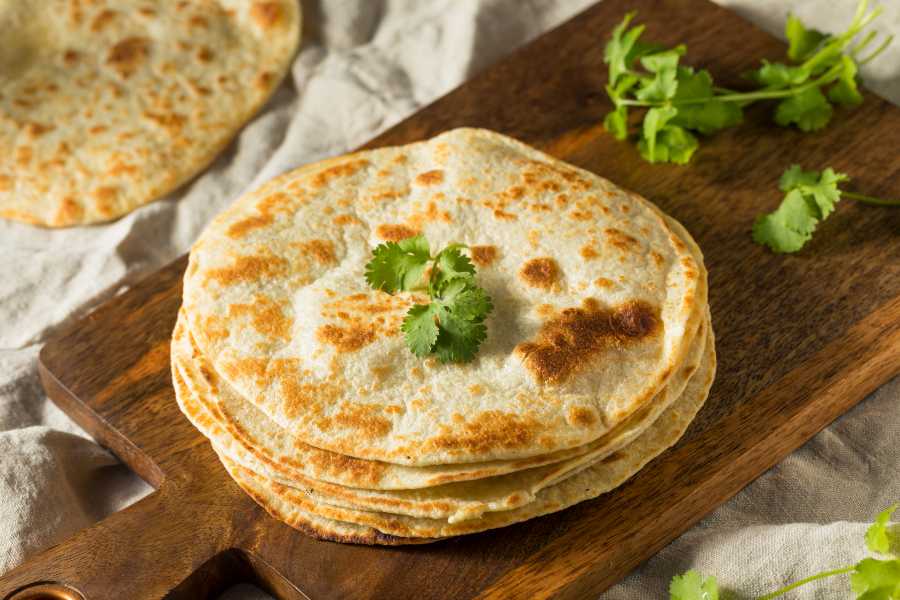 Chapati
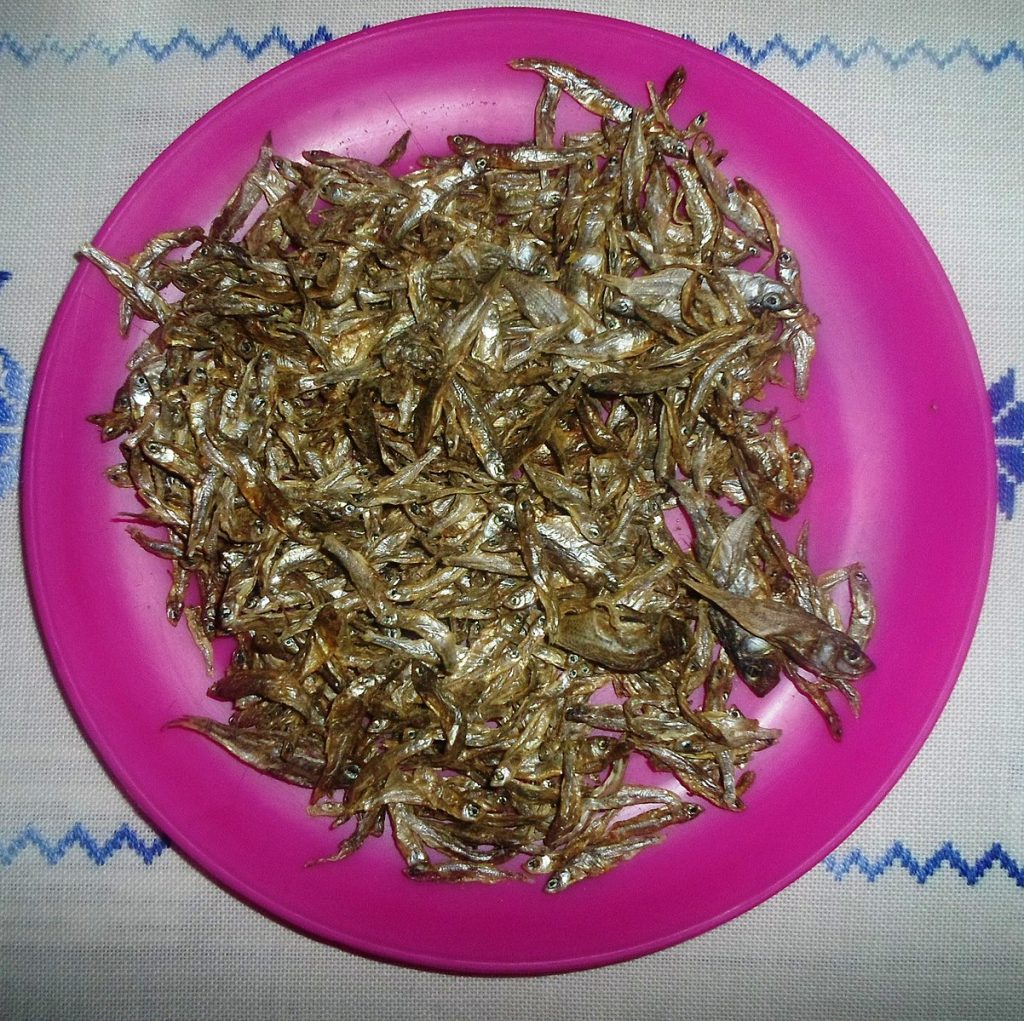 Dagaa wa Kukaanga
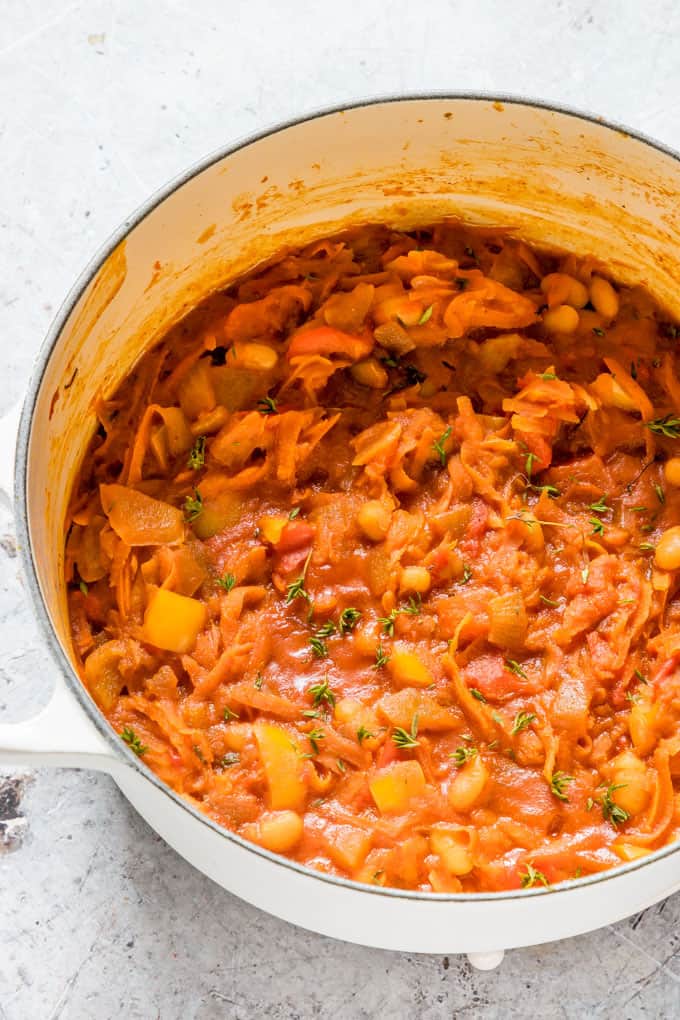 Kachumbari
Key Flavors
bread
flatbread
fish
fried
salad
raw
greens
vegetable
vegetarian
staple
rice
coconut
Masters of the Kitchen
The chefs who shaped Tanzanian cuisine
Miriam Kinunda
Tanzanian chef and food entrepreneur who has promoted traditional Tanzanian cui…
Click to read moreEssential Reading
The cookbooks that define Tanzanian cuisine
In Bibi's Kitchen
In Bibi's Kitchen
Includes Tanzanian recipes and stories, celebrating the East African culinary heritage through the lens of grandmothers.
Explore All Dishes
6 authentic recipes from Tanzanian cuisine
Difficulty:
Time:
Sort:
Showing 6 of 6 dishes
Medium
📜 Story
Chapati
Tanzanian Flatbread
Everyday meals, especially with stews
Easy
📜 Story
Dagaa wa Kukaanga
Fried Silver Sardines
Everyday meals, especially around Lake Victoria
Easy
📜 Story
Kachumbari
Fresh Tomato Onion Salad
Accompaniment to any meal Easy
📜 Story
Easy
📜 Story
Mchicha
Tanzanian Amaranth Greens
Everyday meals across Tanzania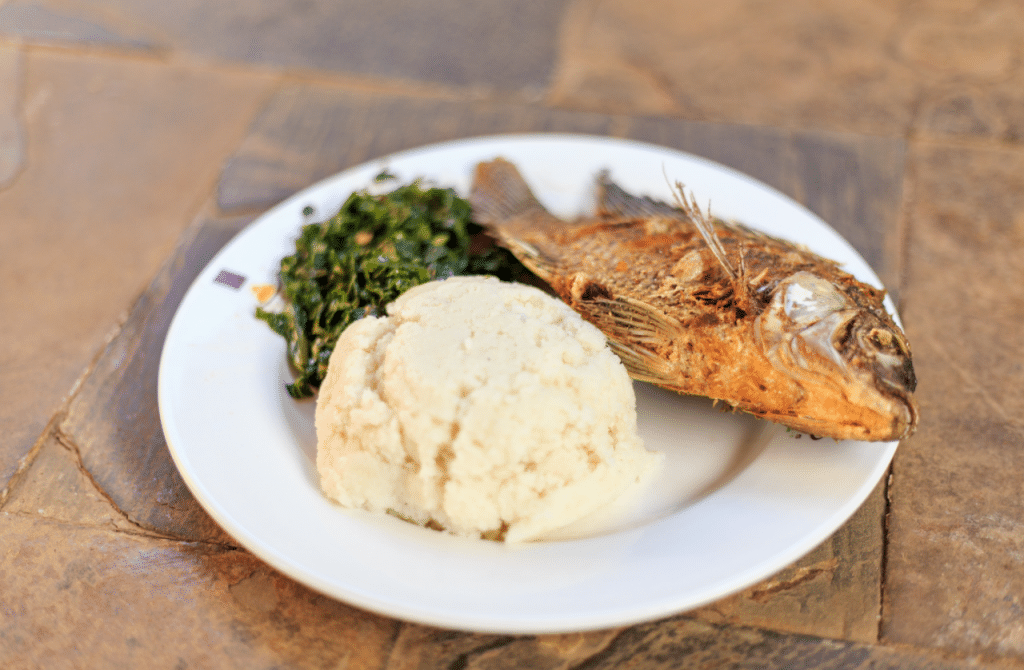 Easy
📜 Story
Easy
📜 Story
Ugali
Ugali
Lunch and dinner (daily)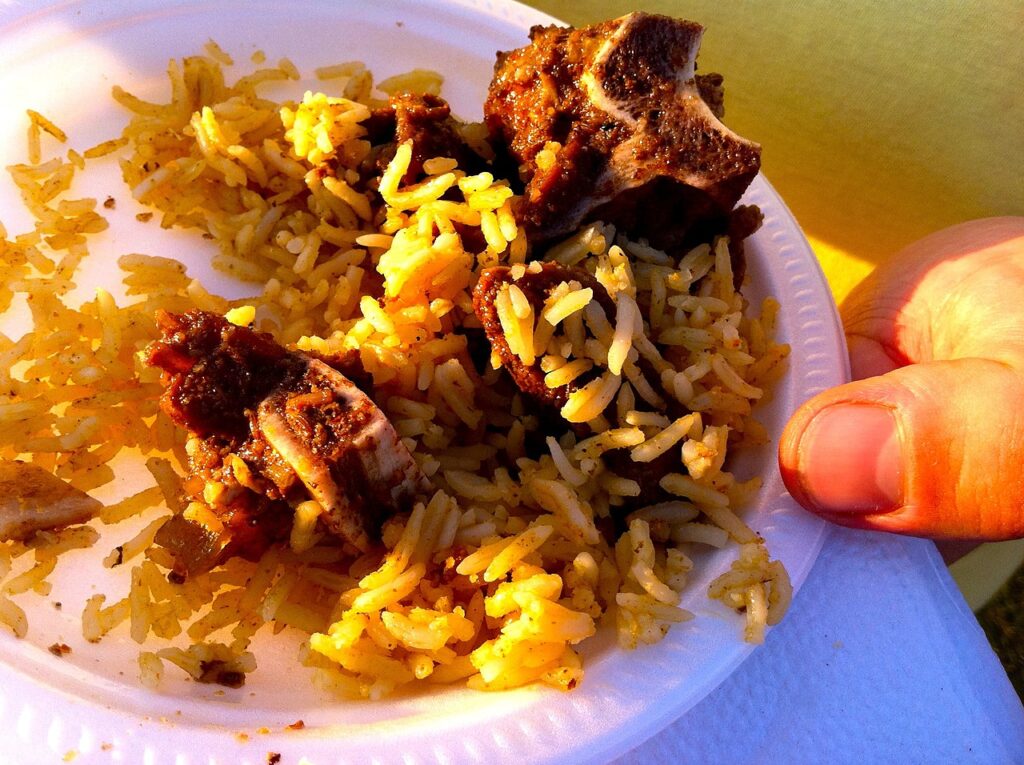 Easy
📜 Story
Easy
📜 Story
Wali wa Nazi
Coconut Rice
Everyday lunch and dinner along the coast