🇹🇯
Tajik Cuisine
Roof of the World
Asia
›
Central Asia
2
Dishes
5
Categories
Explore
Tajik cuisine draws from Persian heritage, featuring fragrant rice pilafs, hearty noodle soups, and an abundance of fresh herbs and fruits from the Pamirs.
A Culinary Portrait
The heritage, flavors, and traditions of Tajik cuisine
Tajik cuisine is the culinary tradition of Central Asia's most mountainous nation, where the Pamir and Tian Shan ranges create a dramatic landscape of high valleys, terraced farms, and ancient Silk Road trading towns. The Tajik people are the oldest sedentary inhabitants of Central Asia, descendants of the ancient Persian-speaking civilizations that built Samarkand and Bukhara. Their cuisine reflects this settled agricultural tradition: wheat-based breads, rice pilafs, legume stews, and fruit orchards distinguish Tajik cooking from the more nomadic, meat-heavy traditions of Turkic Central Asia.
Persian heritage provides the deepest culinary roots: the pilaf tradition, the use of dried fruits and nuts in savory dishes, and the emphasis on hospitality and tea culture all trace to Iranian civilization. The Silk Road brought Chinese noodle-making techniques, Indian spices, and Arab culinary influences through centuries of trade.
Russian and Soviet influence from the nineteenth century onward introduced bread-baking techniques, vodka, and certain preserved foods. Uzbek proximity means shared dishes like plov and samsa, though Tajiks maintain their versions are distinct. Cumin (the defining spice of Tajik cooking), cottonseed oil or sesame oil (traditional cooking fats), dried fruits (apricots, raisins, and mulberries from mountain orchards), chickpeas and mung beans (essential legumes), and non (flatbread baked in a tandoor oven, present at every meal).
Persian heritage provides the deepest culinary roots: the pilaf tradition, the use of dried fruits and nuts in savory dishes, and the emphasis on hospitality and tea culture all trace to Iranian civilization. The Silk Road brought Chinese noodle-making techniques, Indian spices, and Arab culinary influences through centuries of trade.
Russian and Soviet influence from the nineteenth century onward introduced bread-baking techniques, vodka, and certain preserved foods. Uzbek proximity means shared dishes like plov and samsa, though Tajiks maintain their versions are distinct. Cumin (the defining spice of Tajik cooking), cottonseed oil or sesame oil (traditional cooking fats), dried fruits (apricots, raisins, and mulberries from mountain orchards), chickpeas and mung beans (essential legumes), and non (flatbread baked in a tandoor oven, present at every meal).
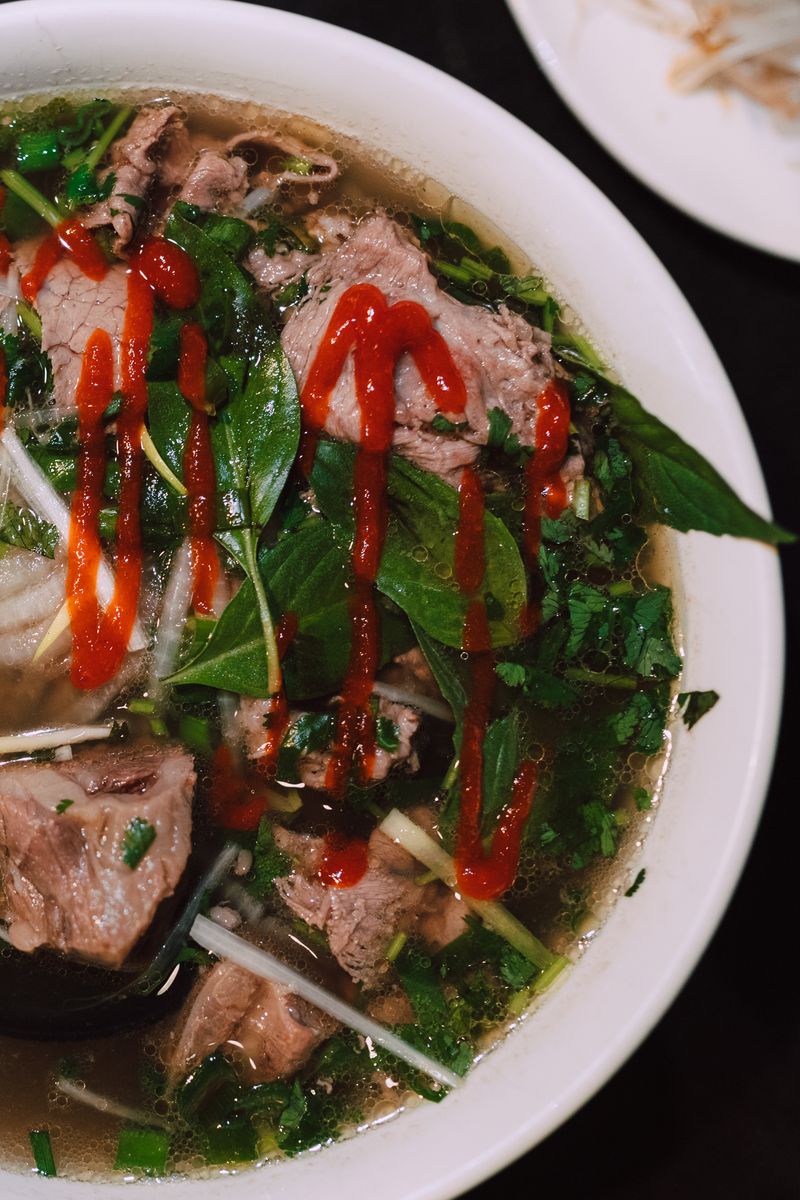 Pichak
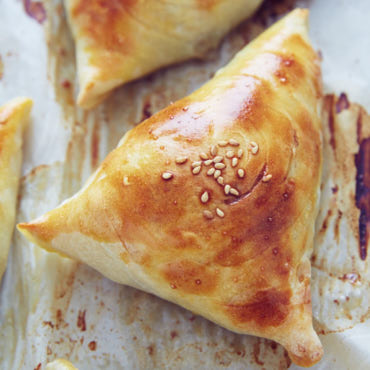 Sambusa
Key Flavors
pan-fried
lamb
pastry
lamb
Masters of the Kitchen
The chefs who shaped Tajik cuisine
Mirzo Radjabov
Tajik chef who has promoted traditional Tajik cuisine, featuring dishes like os…
Click to read moreEssential Reading
The cookbooks that define Tajik cuisine
The Silk Road Gourmet
The Silk Road Gourmet
An exploration of Central Asian cuisines including Tajik culinary traditions along the ancient Silk Road.
Explore All Dishes
2 authentic recipes from Tajik cuisine
Difficulty:
Time:
Sort:
Showing 2 of 2 dishes