
🇸🇴
Somali Cuisine
Spice of the Horn of Africa
Other
›
Sub-Saharan Africa
2
Dishes
6
Categories
Explore
Somali cuisine reflects its position at the Horn of Africa — a crossroads of Arab, Indian, Italian, and indigenous African flavors. Aromatic rice dishes, tender grilled meats, and sweet pastries define this proud nomadic food tradition.
A Culinary Portrait
The heritage, flavors, and traditions of Somali cuisine
Somali cuisine is the product of a pastoral nomadic culture that has thrived in the Horn of Africa for thousands of years, combined with centuries of maritime trade along one of the world's oldest and most active coastlines. The Somali people are traditionally herders of camels, goats, sheep, and cattle, and their diet reflects this pastoral heritage: meat, milk, ghee, and grain form the pillars of the cuisine. Camel milk remains a vital daily food, and the careful husbandry of livestock is inseparable from Somali cultural identity. Somalia's position at the tip of the Horn of Africa, facing the Arabian Peninsula across the Gulf of Aden, placed it at the center of ancient trade networks connecting East Africa with Arabia, Persia, India, and beyond.
The Land of Punt, referenced in ancient Egyptian texts, is believed by many scholars to include parts of present-day Somalia. Arab traders brought Islam, rice, and spice traditions. Indian merchants introduced curry spices and flatbread techniques.
Italian colonization of southern Somalia left a lasting imprint in the form of pasta, which Somalis adopted and transformed with their own spice blends and sauces, creating a unique fusion that makes spaghetti a mainstream Somali meal. Xawaash (a complex spice blend including cumin, coriander, turmeric, cardamom, cinnamon, and cloves), ghee (clarified butter, the primary cooking fat), basmati rice (the base of bariis, the celebratory rice dish), camel milk (drunk fresh, fermented, or as tea), and hilib (meat, primarily goat, lamb, and camel, the centerpiece of most meals).
The Land of Punt, referenced in ancient Egyptian texts, is believed by many scholars to include parts of present-day Somalia. Arab traders brought Islam, rice, and spice traditions. Indian merchants introduced curry spices and flatbread techniques.
Italian colonization of southern Somalia left a lasting imprint in the form of pasta, which Somalis adopted and transformed with their own spice blends and sauces, creating a unique fusion that makes spaghetti a mainstream Somali meal. Xawaash (a complex spice blend including cumin, coriander, turmeric, cardamom, cinnamon, and cloves), ghee (clarified butter, the primary cooking fat), basmati rice (the base of bariis, the celebratory rice dish), camel milk (drunk fresh, fermented, or as tea), and hilib (meat, primarily goat, lamb, and camel, the centerpiece of most meals).
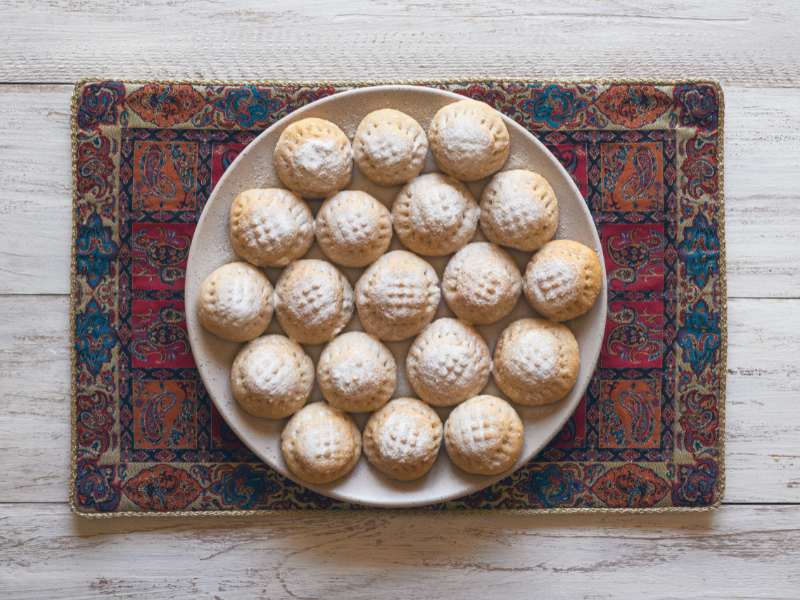 Qumbe
Qumbe
 Xalwo
Xalwo
Key Flavors
dessert
coconut
dessert
sweet
Masters of the Kitchen
The chefs who shaped Somali cuisine
Hawa Hassan
Somali-born chef, food entrepreneur, and author based in the United States. She…
Click to read moreEssential Reading
The cookbooks that define Somali cuisine
In Bibi's Kitchen
In Bibi's Kitchen
A James Beard Award-nominated cookbook celebrating the recipes and stories of grandmothers from eight African countries…
Explore All Dishes
2 authentic recipes from Somali cuisine
Difficulty:
Time:
Sort:
Showing 2 of 2 dishes