🇸🇧
Solomon Islander Cuisine
Melanesian Heart
Oceania
›
Oceania
7
Dishes
6
Categories
Explore
Solomon Islands cuisine is built on taro, sweet potato, coconut, and fresh reef fish, reflecting traditional Melanesian island life.
A Culinary Portrait
The heritage, flavors, and traditions of Solomon Islander cuisine
Solomon Islander cuisine is the cooking tradition of a Melanesian archipelago of nearly a thousand islands stretching across the southwestern Pacific, where dense tropical rainforest, volcanic soil, and abundant ocean resources have sustained human habitation for over thirty thousand years. The indigenous Melanesian peoples developed a food culture based on root crops (taro, yams, sweet potatoes, and cassava), coconut, and the extraordinary marine biodiversity of the surrounding coral reefs and deep ocean channels. Cooking techniques center on earth ovens (motu), open-fire roasting, and boiling in coconut milk. Polynesian settlers on outlying atolls brought their own culinary traditions, creating a cultural mosaic across the archipelago.
Chinese traders introduced certain ingredients and cooking methods. British colonial rule (1893-1978) brought canned goods, rice, and tea, which became integrated into daily diets. The devastating World War II battle of Guadalcanal left a lasting American influence, particularly in the introduction of canned meats and processed foods.
Despite modernization, traditional root-crop agriculture and fishing remain the foundation of rural Solomon Islander diets. Coconut (cream, oil, and flesh used in virtually every dish), taro (the most culturally important root crop), sweet potato (kumara, a staple starch), reef fish (the primary protein source for most communities), and slippery cabbage (a tropical green cooked with coconut cream).
Chinese traders introduced certain ingredients and cooking methods. British colonial rule (1893-1978) brought canned goods, rice, and tea, which became integrated into daily diets. The devastating World War II battle of Guadalcanal left a lasting American influence, particularly in the introduction of canned meats and processed foods.
Despite modernization, traditional root-crop agriculture and fishing remain the foundation of rural Solomon Islander diets. Coconut (cream, oil, and flesh used in virtually every dish), taro (the most culturally important root crop), sweet potato (kumara, a staple starch), reef fish (the primary protein source for most communities), and slippery cabbage (a tropical green cooked with coconut cream).
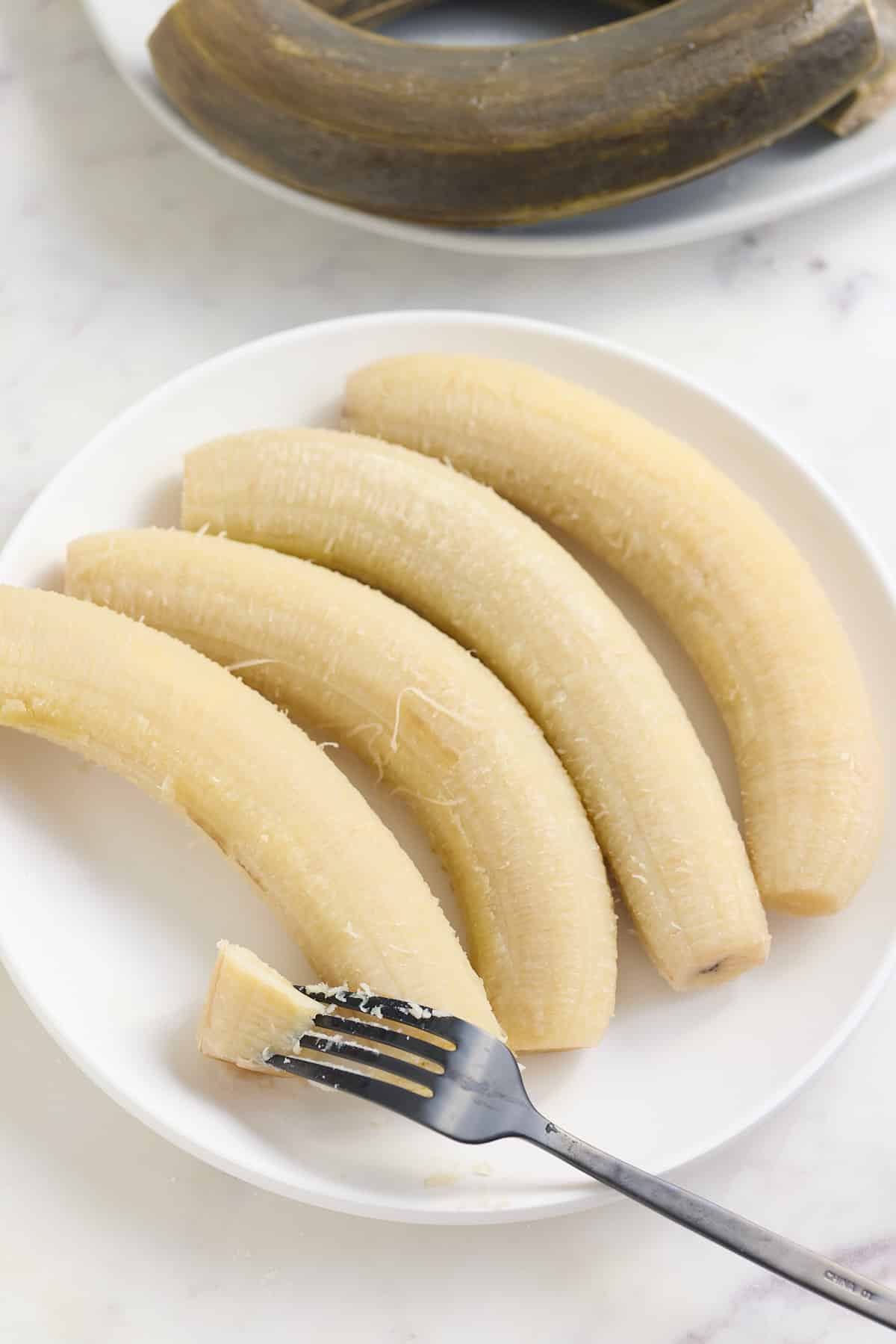 Boiled Green Bananas
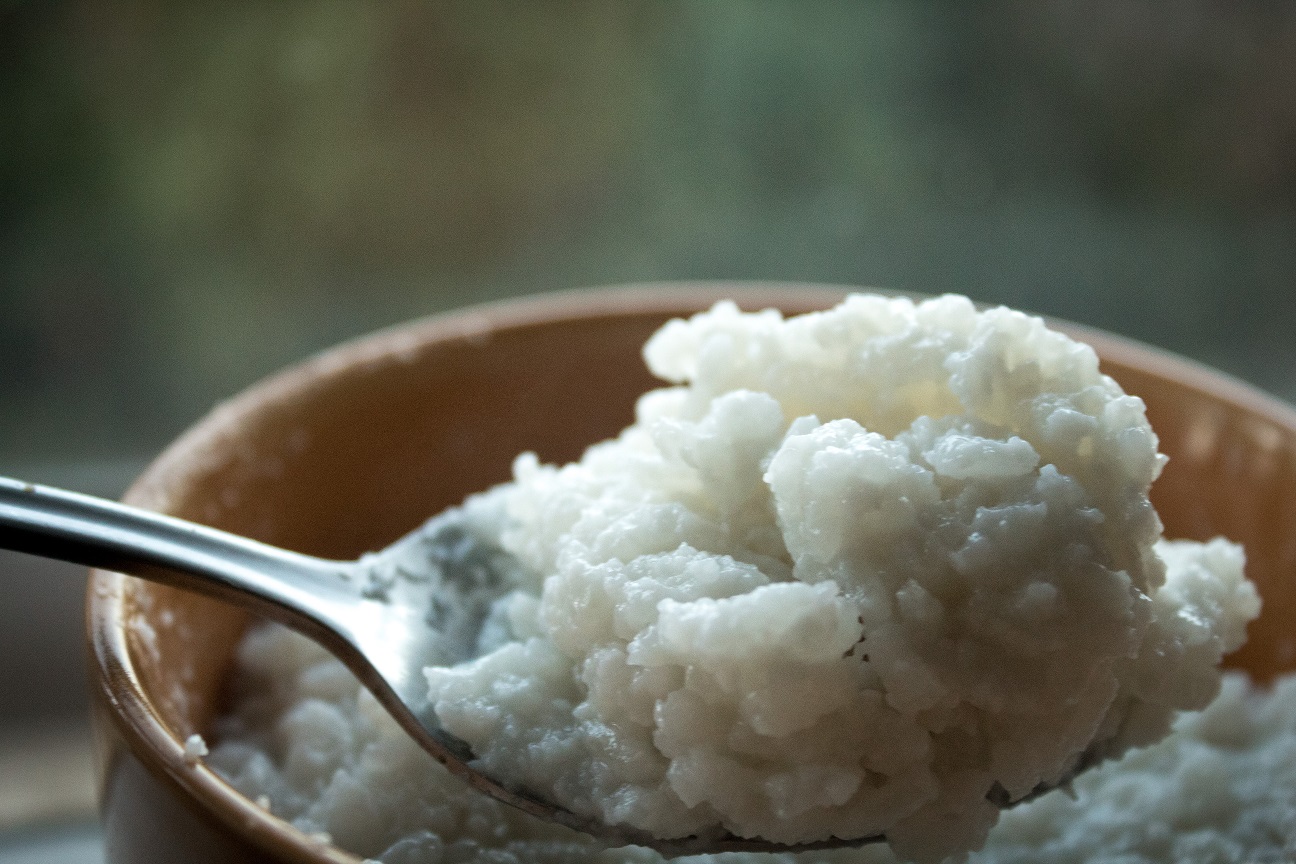 Coconut Rice Solomon
Key Flavors
side
banana
side
rice
side
sweet potato
staple
traditional
side
breadfruit
vegetarian
greens
Masters of the Kitchen
The chefs who shaped Solomon Islander cuisine
Robert Oliver
Chef and author who documented Pacific Island cuisines including Solomon Island…
Click to read moreEssential Reading
The cookbooks that define Solomon Islander cuisine
Me'a Kai: The Food and Flavors of the S…
Me'a Kai: The Food and Flavors of the South Pacific
Gourmand World Cookbook Award winner featuring recipes from Pacific Island nations including the Solomon Islands.
Explore All Dishes
7 authentic recipes from Solomon Islander cuisine
Difficulty:
Time:
Sort:
Showing 7 of 7 dishes
Easy
📜 Story
Boiled Green Bananas
Boiled Cooking Bananas
Daily
Easy
📜 Story
Coconut Rice Solomon
Rice in Coconut Milk
DailyKumara Roast
Easy
📜 Story
Kumara Roast
Roasted Sweet Potato
Any meal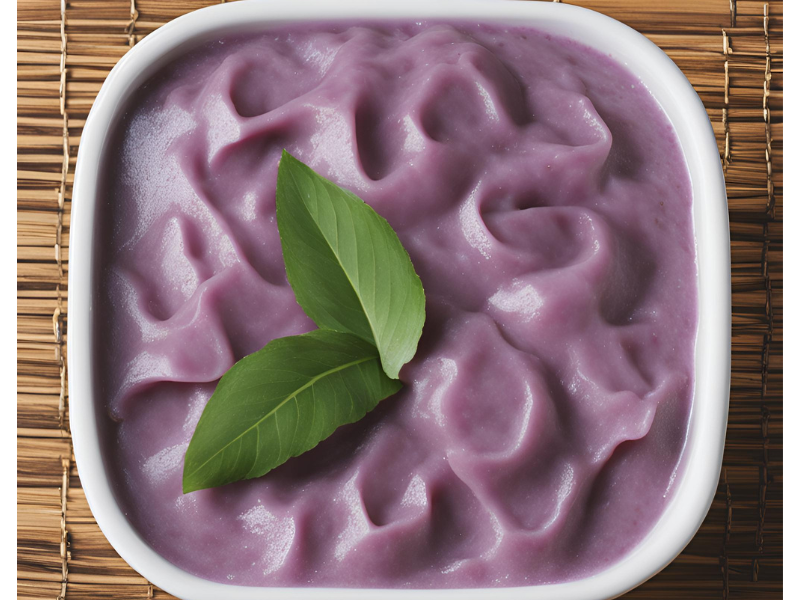 Easy
📜 Story
Easy
📜 Story
Poi
Pounded Taro
Lunch, dinner, staple food Easy
📜 Story
Easy
📜 Story
Roasted Breadfruit
Fire-Roasted Whole Breadfruit
Any meal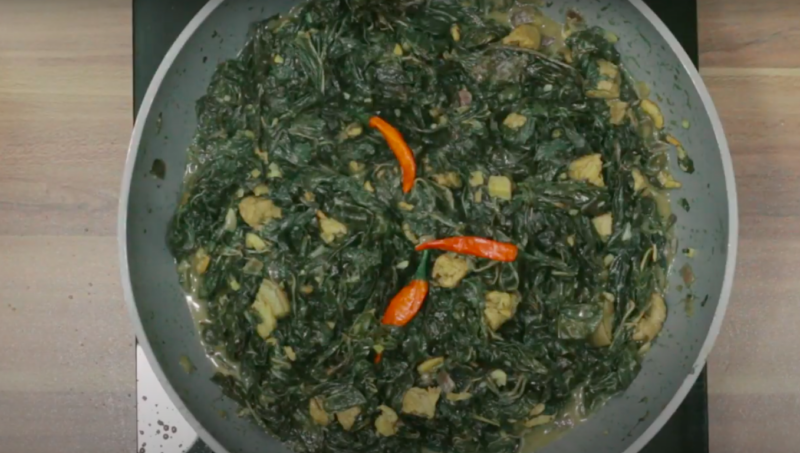 Easy
📜 Story
Easy
📜 Story
Slippery Cabbage Soup
Island Greens in Coconut Milk
Lunch, dinnerTaro in Coconut Cream
Easy
📜 Story
Taro in Coconut Cream
Taro Simmered in Coconut
Any meal