
Singaporean Cuisine
Hawker Centre Heaven
Singaporean food culture revolves around legendary hawker centres where Michelin-starred dishes cost a few dollars. This tiny nation punches far above its weight with a cuisine born from Chinese, Malay, Indian, and Peranakan fusion.
A Culinary Portrait
The heritage, flavors, and traditions of Singaporean cuisine
UNESCO inscribed Singapore's hawker culture on its Representative List of Intangible Cultural Heritage in 2020, recognizing it as a cornerstone of national identity. The Peranakan (Straits Chinese) tradition, born from centuries of Chinese-Malay intermarriage, created dishes like laksa, ayam buah keluak, and kueh that belong to no single culture but define Singapore. Indian-Muslim (Mamak) and Hainanese traditions further enriched the culinary landscape, creating dishes like roti prata, murtabak, and Hainanese chicken rice. Singaporeans are famously food-obsessed -- the national conversation frequently revolves around where to find the best version of a particular dish.
Hawker centers are the communal dining rooms of the nation, where all social classes and ethnicities eat side by side. The practice of "choping" (reserving) a table by placing a packet of tissues on it is a uniquely Singaporean custom. Meals are eaten with chopsticks, fork and spoon, or hands depending on the dish.
 Popiah
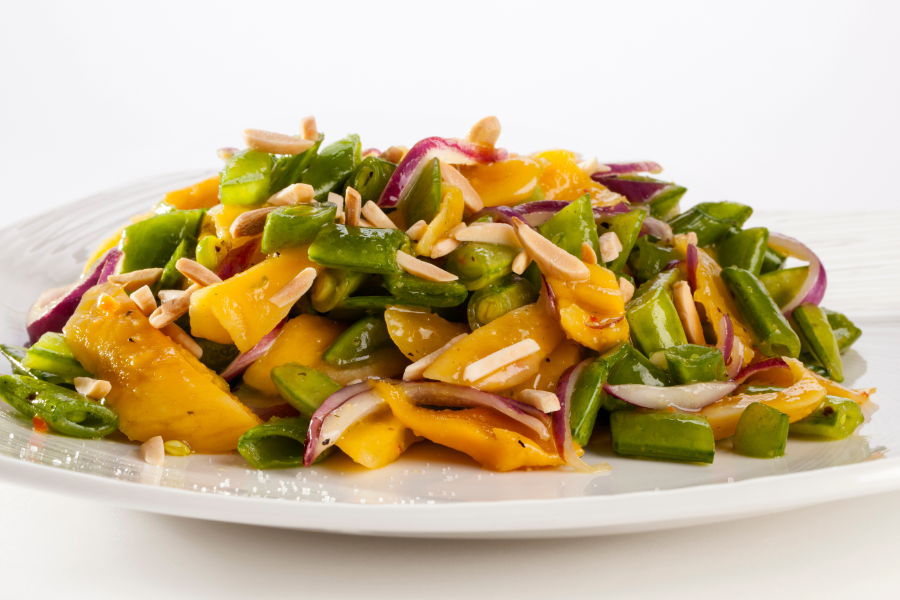 Rojak
Rojak
 Satay
Satay
Key Flavors
Masters of the Kitchen
The chefs who shaped Singaporean cuisine
Shermay Lee
Singaporean chef and culinary educator who revived her grandmother's cookbook T…
Click to read moreBjorn Shen
One of Singapore's boldest chefs who pushes culinary boundaries with his Middle…
Click to read moreEssential Reading
The cookbooks that define Singaporean cuisine
Singapore Cooking
Fabulous recipes from Asia's food capital by two of Singapore's best-known food personalities.
The New Mrs Lee's Cookbook
A revived and updated edition of a classic Peranakan cookbook covering Chinese, Malay, Indian, and Eurasian Singaporean…
Explore All Dishes
3 authentic recipes from Singaporean cuisine