🇸🇳
Senegalese Cuisine
Teranga on Every Table
Other
›
Sub-Saharan Africa
3
Dishes
4
Categories
Explore
Senegalese cuisine embodies 'teranga' — the Wolof word for hospitality. Rich seafood dishes, fragrant rice, and bold peanut sauces reflect a coastal West African kitchen shaped by French, Arab, and indigenous traditions.
A Culinary Portrait
The heritage, flavors, and traditions of Senegalese cuisine
Senegalese cuisine is rooted in the agricultural and fishing traditions of West Africa's Atlantic coast, where the Wolof, Serer, Jola, Pulaar, and Mandinka peoples cultivated millet, sorghum, and rice while harvesting the abundant waters of the Atlantic Ocean and the Senegal and Casamance rivers. The arrival of groundnuts (peanuts) from the Americas via Portuguese traders in the sixteenth century transformed the cuisine, providing the base for mafe and other foundational sauces. Fish and rice became the twin pillars of the national diet, particularly in coastal communities.
French colonization (1659-1960) introduced baguettes, pâtisserie, and cafe culture, which Senegal absorbed and made its own. Despite these layers, the cuisine remains deeply West African in its soul, built on slow-cooked stews, fermented condiments like netetou (fermented locust beans), and communal eating traditions. Peanuts (the base of mafe and a ubiquitous ingredient in sauces and snacks), dried fish (guedj and yeet, fermented and dried seafood that adds umami depth), tomato paste (the backbone of thieboudienne and many stews), dijon mustard (a French legacy used in yassa marinades), and palm oil (used in Casamance cooking for richness and color).
French colonization (1659-1960) introduced baguettes, pâtisserie, and cafe culture, which Senegal absorbed and made its own. Despite these layers, the cuisine remains deeply West African in its soul, built on slow-cooked stews, fermented condiments like netetou (fermented locust beans), and communal eating traditions. Peanuts (the base of mafe and a ubiquitous ingredient in sauces and snacks), dried fish (guedj and yeet, fermented and dried seafood that adds umami depth), tomato paste (the backbone of thieboudienne and many stews), dijon mustard (a French legacy used in yassa marinades), and palm oil (used in Casamance cooking for richness and color).
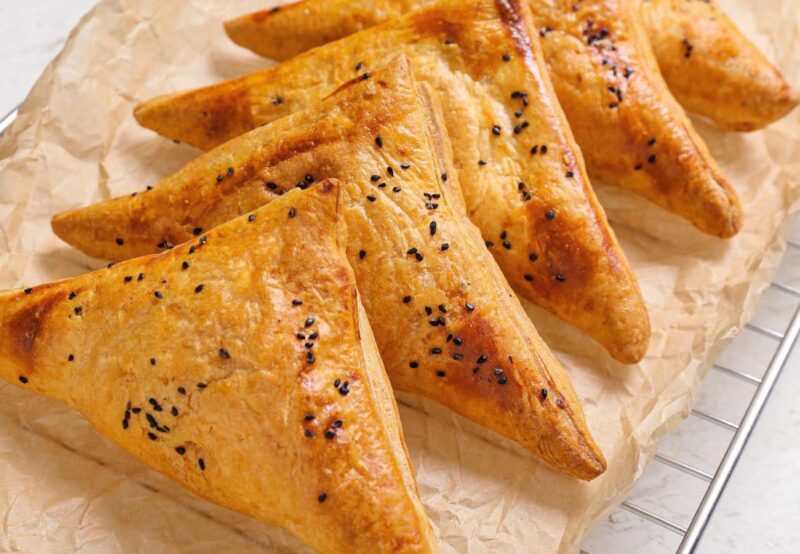 Fataya
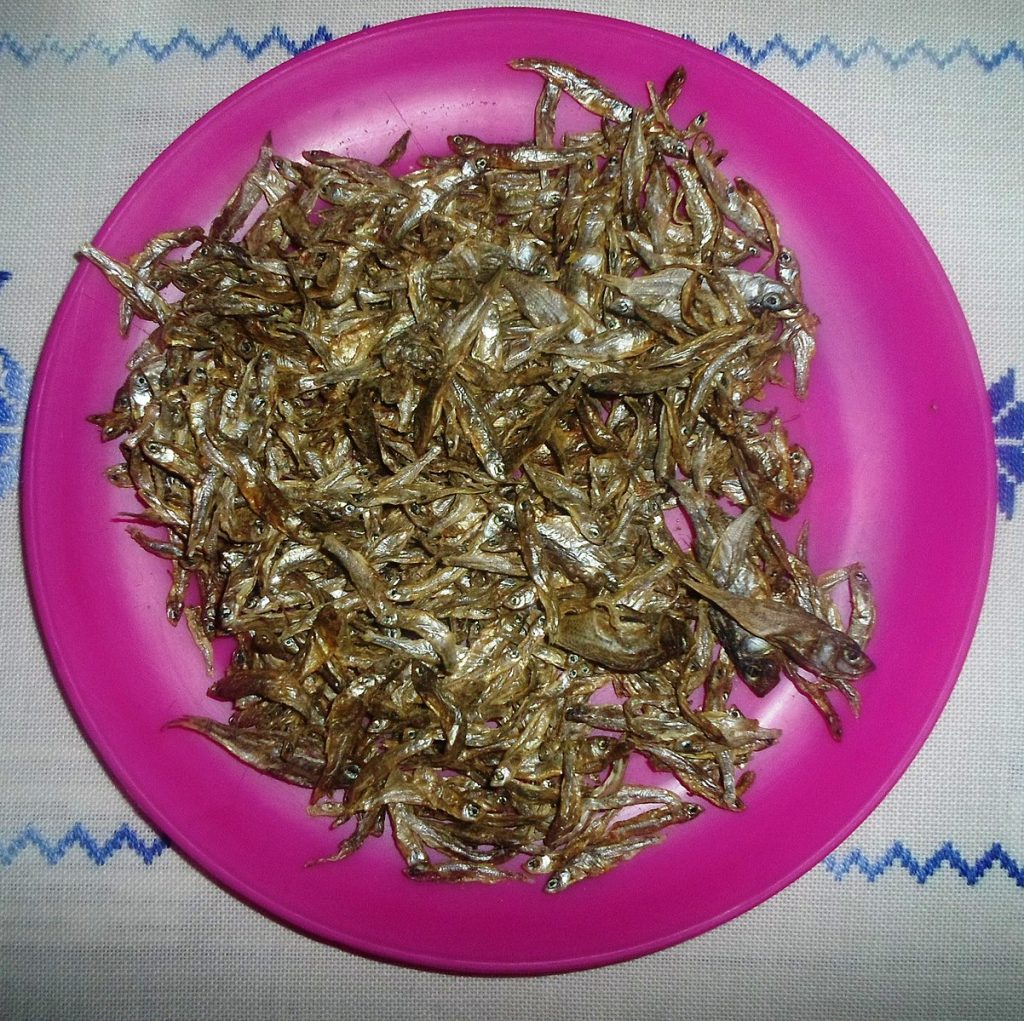 Firiré
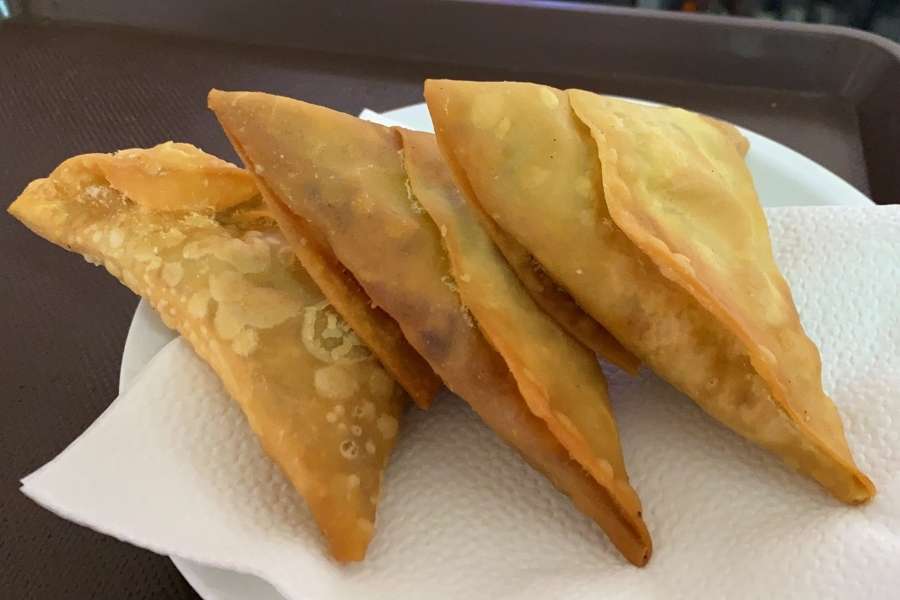 Pastels
Key Flavors
fish
fried
snack
fried
street food
fried
Masters of the Kitchen
The chefs who shaped Senegalese cuisine
Pierre Thiam
Senegalese chef, author, and social activist based in New York, best known for …
Click to read moreEssential Reading
The cookbooks that define Senegalese cuisine
Senegal: Modern Senegalese Recipes from…
Senegal: Modern Senegalese Recipes from the Source to the Bowl
A finalist for the James Beard Award and Julia Child Cookbook Award, featuring modern interpretations of Senegalese cui…
Yolele! Recipes from the Heart of Seneg…
Yolele! Recipes from the Heart of Senegal
The first Senegalese cookbook published in English, a finalist for the Gourmand Award in Paris.
Explore All Dishes
3 authentic recipes from Senegalese cuisine
Difficulty:
Time:
Sort:
Showing 3 of 3 dishes