🇸🇦
Saudi Arabian Cuisine
Desert Feasts of Arabia
Middle East
›
Middle East
7
Dishes
6
Categories
Explore
Saudi cuisine is generous and grand, rooted in Bedouin hospitality. From fragrant kabsa to coastal seafood, Arabian cooking is both ancient and evolving.
A Culinary Portrait
The heritage, flavors, and traditions of Saudi Arabian cuisine
Saudi Arabian cuisine emerges from the vast Arabian Peninsula, where extreme desert conditions, ancient trade routes, and the spiritual centrality of Mecca and Medina have shaped a culinary identity unlike any other. The Najd plateau's Bedouin traditions of slow-cooked lamb and camel over open fires, the Hejaz region's cosmopolitan port cuisine influenced by centuries of Hajj pilgrims from Africa, South Asia, and Southeast Asia, and the Eastern Province's date palm oases and Gulf seafood traditions each contribute distinct flavors. Rice, introduced through Indian Ocean trade, replaced wheat and barley as the ceremonial grain by the Ottoman period, while the ancient spice routes through Jeddah brought cardamom, saffron, black lime, and cinnamon into daily cooking. Saudi cuisine has been profoundly shaped by the Hajj pilgrimage, which for over 1,400 years has brought millions of Muslims from across the globe to the Hejaz, each wave depositing culinary influences.
Indonesian sambals, Indian biryanis, Turkish kebabs, and East African stews have all left traces in Hejazi cooking, making cities like Jeddah and Mecca among the most culinarily diverse in the Arab world. Bedouin hospitality traditions -- where guests must be fed generously regardless of the host's means -- remain the bedrock of Saudi food culture. The preparation of Arabic coffee (qahwa) with cardamom and the offering of dates to guests is a ritual of welcome codified over centuries. Traditional Saudi dining centers on communal eating from a shared platter, often seated on the floor on a sufra (dining cloth).
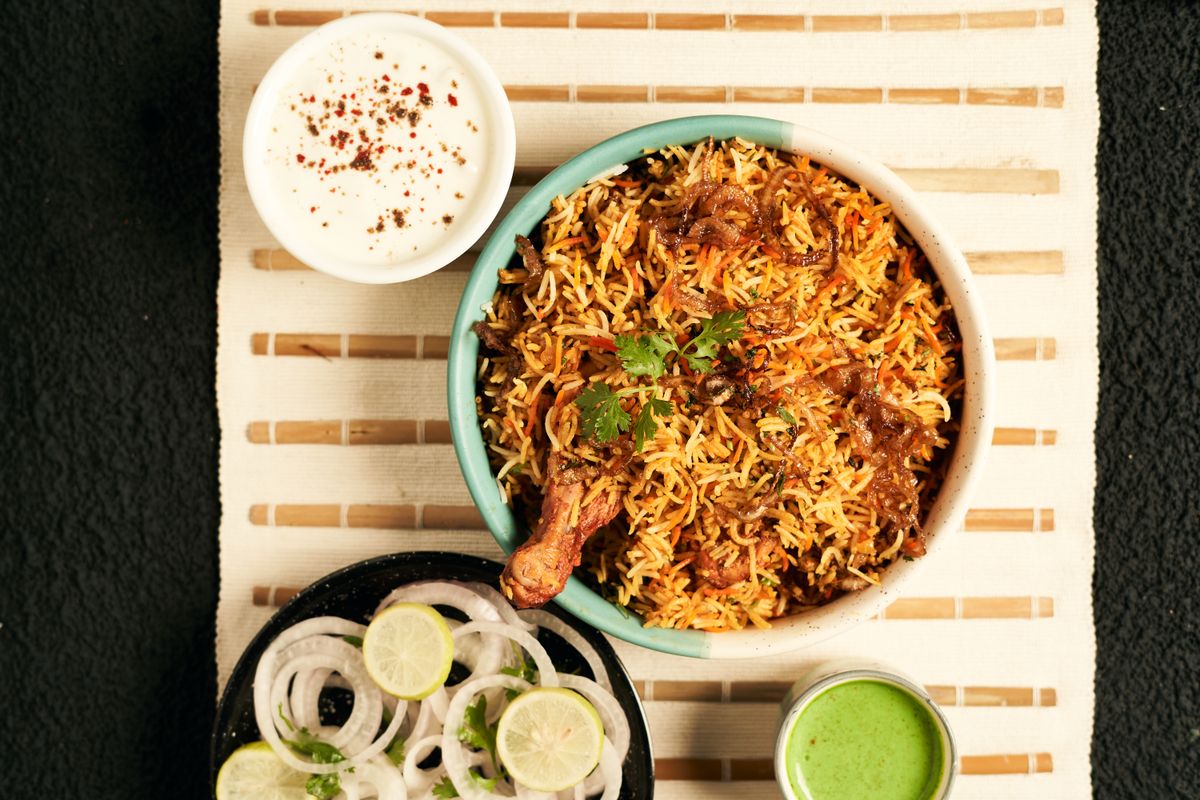
The meal typically features a large mound of spiced rice topped with meat, surrounded by side dishes of salad, yogurt, and flatbread. Eating with the right hand is customary. Meals begin with bismillah and end with expressions of gratitude.
Indonesian sambals, Indian biryanis, Turkish kebabs, and East African stews have all left traces in Hejazi cooking, making cities like Jeddah and Mecca among the most culinarily diverse in the Arab world. Bedouin hospitality traditions -- where guests must be fed generously regardless of the host's means -- remain the bedrock of Saudi food culture. The preparation of Arabic coffee (qahwa) with cardamom and the offering of dates to guests is a ritual of welcome codified over centuries. Traditional Saudi dining centers on communal eating from a shared platter, often seated on the floor on a sufra (dining cloth).
The meal typically features a large mound of spiced rice topped with meat, surrounded by side dishes of salad, yogurt, and flatbread. Eating with the right hand is customary. Meals begin with bismillah and end with expressions of gratitude.
 Kleicha
 Kunafa
Key Flavors
dessert
dates
dessert
cookies
dessert
cheese
dessert
fried
eid
cookies
dessert
breakfast
Masters of the Kitchen
The chefs who shaped Saudi Arabian cuisine
Maha Al-Musa
Saudi chef and food writer who has been instrumental in documenting and promoti…
Click to read moreEssential Reading
The cookbooks that define Saudi Arabian cuisine
Saudi Feast
Saudi Feast
A celebration of traditional Saudi Arabian cuisine featuring recipes for kabsa, jareesh, and other national dishes.
Explore All Dishes
7 authentic recipes from Saudi Arabian cuisine
Difficulty:
Time:
Sort:
Showing 7 of 7 dishes
Areeka
Easy
📜 Story
Areeka
Date and Bread Crumble
Breakfast or dessert
Medium
📜 Story
Kleicha
Date-Filled Cookies
Eid celebrations, with Arabic coffee
Medium
📜 Story
Kunafa
Crispy Cheese Pastry in Syrup
Ramadan, celebrations, dessert Easy
📜 Story
Easy
📜 Story
Luqaimat
Sweet Fried Dumplings
Ramadan iftar dessert Medium
Maamoul
Date-Filled Cookies
 Easy
📜 Story
Easy
📜 Story
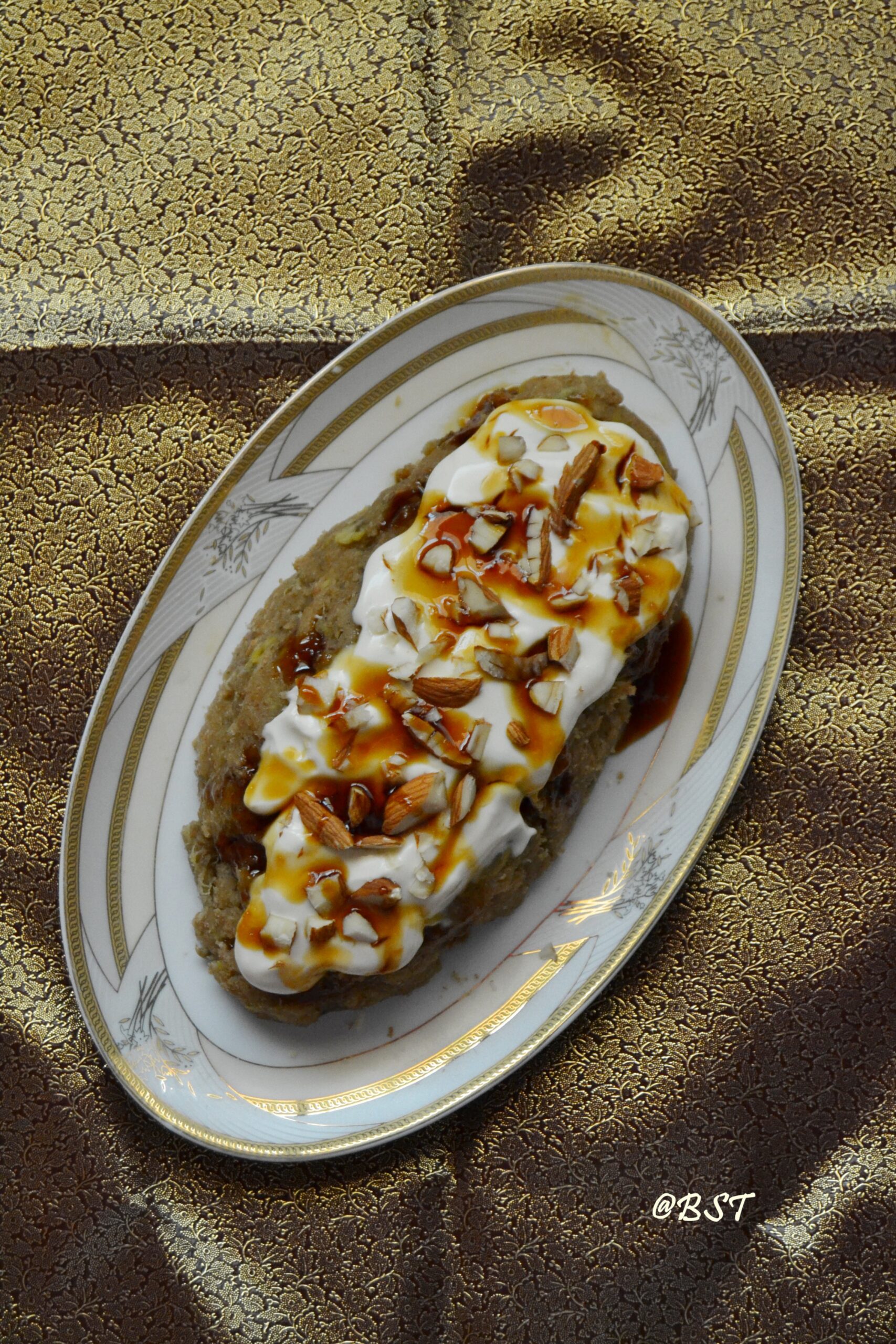
Masoub
Banana Bread Pudding
Breakfast or dessertMasoub Saudi
Easy
Masoub Saudi
Banana Bread Pudding