🇸🇻
Salvadoran Cuisine
Land of Pupusas
Americas
›
Central America
2
Dishes
6
Categories
Explore
Salvadoran cuisine is defined by the pupusa — the beloved stuffed corn cake that is both national dish and cultural symbol. Simple, satisfying, and deeply delicious.
A Culinary Portrait
The heritage, flavors, and traditions of Salvadoran cuisine
Salvadoran cuisine is rooted in the ancient Mesoamerican corn culture of the Pipil and Lenca peoples, who cultivated maize, beans, squash, cacao, and chilies across the volcanic highlands and Pacific coastal lowlands of Central America's smallest and most densely populated country. Corn is the sacred foundation of Salvadoran cooking, transformed into masa (dough) for tortillas, pupusas, tamales, and atoles (corn-based drinks). The Pipil civilization, related to the Aztecs, brought Nahuatl culinary traditions southward, including the techniques for nixtamalization that unlock corn's nutritional potential.
Spanish colonization from the sixteenth century introduced cattle, dairy, wheat, rice, and citrus fruits, as well as the Catholic calendar that shaped festive food traditions. Unlike neighboring Mexico and Guatemala, El Salvador received relatively few African culinary influences, resulting in a cuisine more purely rooted in the indigenous-Spanish mestizo blend.
The country's volcanic soil and tropical climate produce excellent coffee, which became the economic backbone of the nation and shaped its agricultural landscape for over a century. Masa (nixtamalized corn dough, the foundation of pupusas and tortillas), curtido (fermented cabbage relish served with nearly everything), quesillo (soft, mild cheese used in pupusas and other dishes), loroco (an edible flower bud unique to Central American cooking), and red salsa (tomato-based sauce served alongside most dishes).
Spanish colonization from the sixteenth century introduced cattle, dairy, wheat, rice, and citrus fruits, as well as the Catholic calendar that shaped festive food traditions. Unlike neighboring Mexico and Guatemala, El Salvador received relatively few African culinary influences, resulting in a cuisine more purely rooted in the indigenous-Spanish mestizo blend.
The country's volcanic soil and tropical climate produce excellent coffee, which became the economic backbone of the nation and shaped its agricultural landscape for over a century. Masa (nixtamalized corn dough, the foundation of pupusas and tortillas), curtido (fermented cabbage relish served with nearly everything), quesillo (soft, mild cheese used in pupusas and other dishes), loroco (an edible flower bud unique to Central American cooking), and red salsa (tomato-based sauce served alongside most dishes).
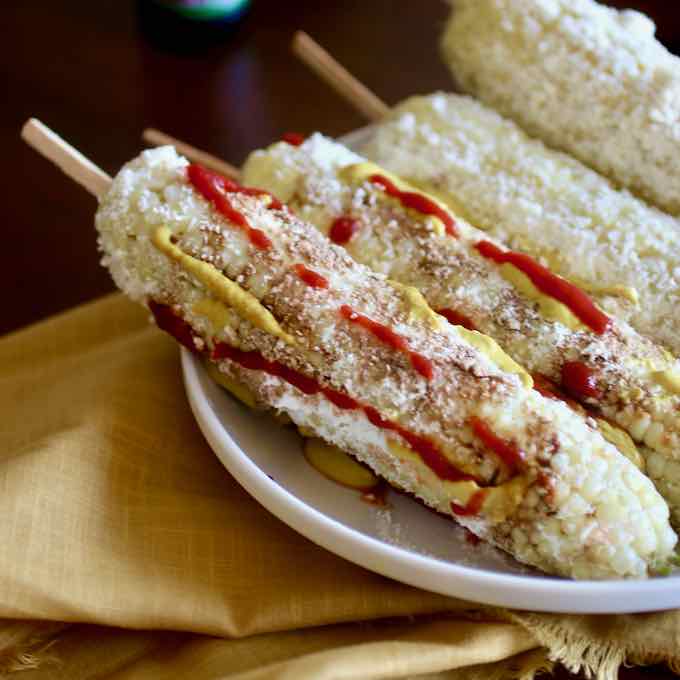 Elote Loco
Key Flavors
street food
corn
corn
grilled
Masters of the Kitchen
The chefs who shaped Salvadoran cuisine
Karla Tatiana Vasquez
Salvadoran-American food writer and author who has championed Salvadoran cuisin…
Click to read moreEssential Reading
The cookbooks that define Salvadoran cuisine
Salvadoreno
Salvadoreno
A groundbreaking cookbook documenting Salvadoran culinary traditions including pupusas, yuca frita, and other national …
Explore All Dishes
2 authentic recipes from Salvadoran cuisine
Difficulty:
Time:
Sort:
Showing 2 of 2 dishes