
🇱🇨
Saint Lucian Cuisine
Helen of the West Indies
Americas
›
Caribbean
4
Dishes
6
Categories
Explore
Saint Lucian cuisine blends French Creole and British Caribbean traditions. Green bananas, saltfish, and rich cocoa stews reflect the island's dual colonial heritage.
A Culinary Portrait
The heritage, flavors, and traditions of Saint Lucian cuisine
Saint Lucian cuisine is a vibrant Creole fusion born on a small volcanic Caribbean island that changed hands between France and Britain fourteen times, absorbing culinary influences from each colonial power while maintaining deep African and indigenous Amerindian roots. The Arawak and Carib peoples who first inhabited the island cultivated cassava, sweet potatoes, and tropical fruits, and fished the rich Caribbean waters. The arrival of enslaved Africans from the seventeenth century onward established the foundational cooking traditions: one-pot stews, ground provisions, and the resourceful transformation of limited ingredients into flavorful, sustaining meals.
French influence runs deep in Saint Lucian cooking, evident in the Creole patois still spoken on the island and in dishes like bouyon and accra (salt cod fritters). British colonial rule added certain baking traditions and tea culture, though French culinary DNA proved more durable.
Indian indentured laborers arriving in the nineteenth century brought curry powders, roti, and dal. The island's volcanic terrain and tropical climate produce abundant breadfruit, plantains, dasheen, christophene, mangoes, coconuts, and cocoa. Green bananas (called green fig, the island's most important starch), saltfish (salt-cured cod, inherited from the Atlantic trade), coconut (milk, oil, and flesh used throughout the cuisine), Scotch bonnet peppers (providing the essential heat), and seasoning peppers (aromatic peppers that flavor without excessive heat).
French influence runs deep in Saint Lucian cooking, evident in the Creole patois still spoken on the island and in dishes like bouyon and accra (salt cod fritters). British colonial rule added certain baking traditions and tea culture, though French culinary DNA proved more durable.
Indian indentured laborers arriving in the nineteenth century brought curry powders, roti, and dal. The island's volcanic terrain and tropical climate produce abundant breadfruit, plantains, dasheen, christophene, mangoes, coconuts, and cocoa. Green bananas (called green fig, the island's most important starch), saltfish (salt-cured cod, inherited from the Atlantic trade), coconut (milk, oil, and flesh used throughout the cuisine), Scotch bonnet peppers (providing the essential heat), and seasoning peppers (aromatic peppers that flavor without excessive heat).
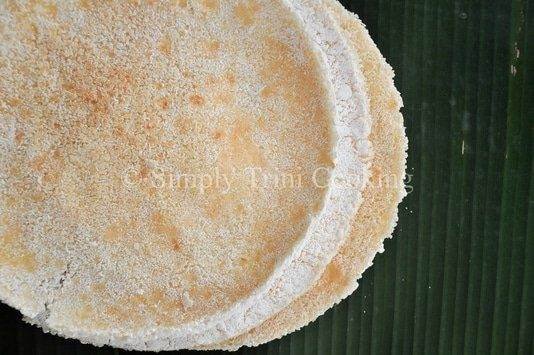 Cassava Bread
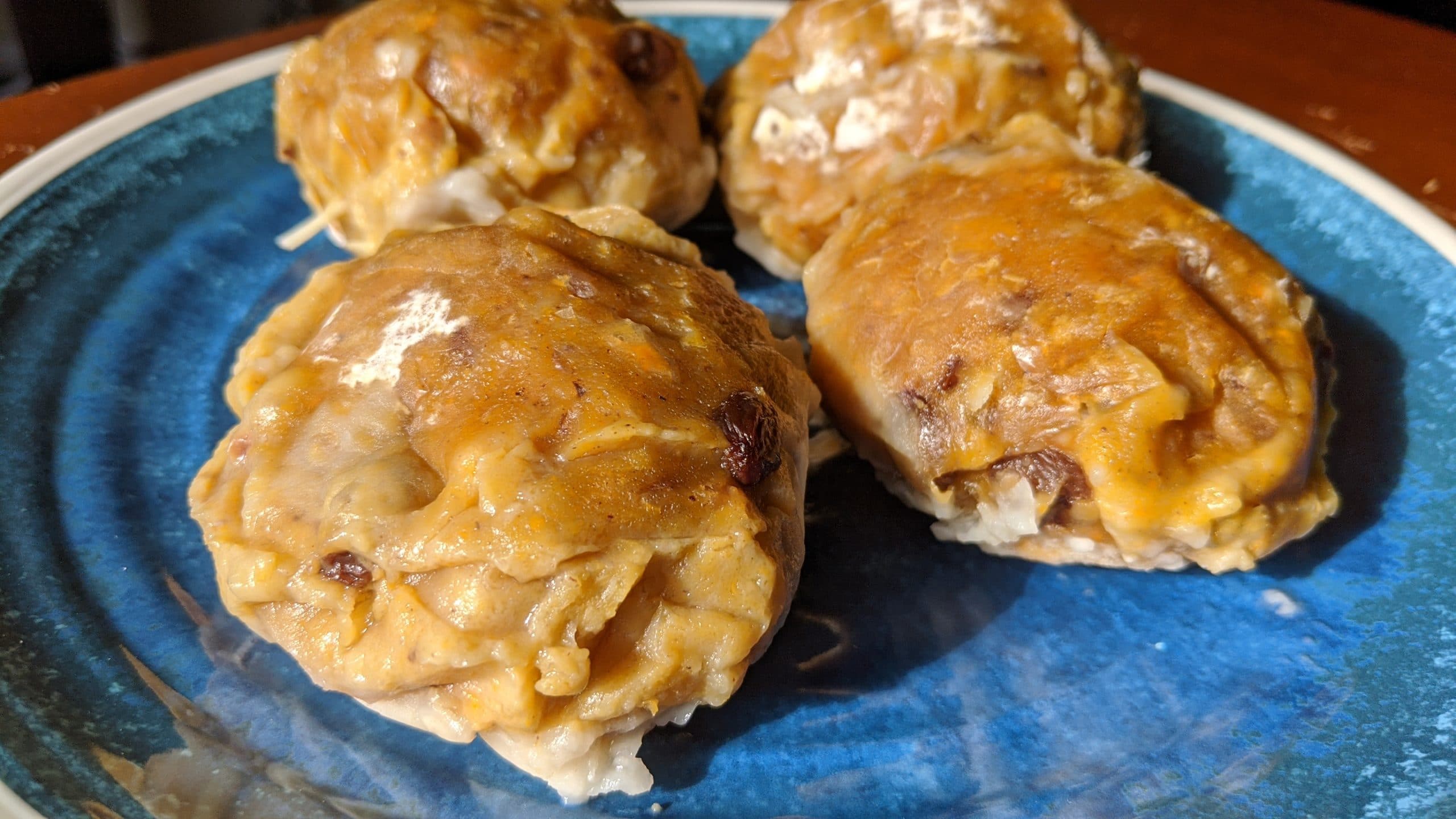 Ducana
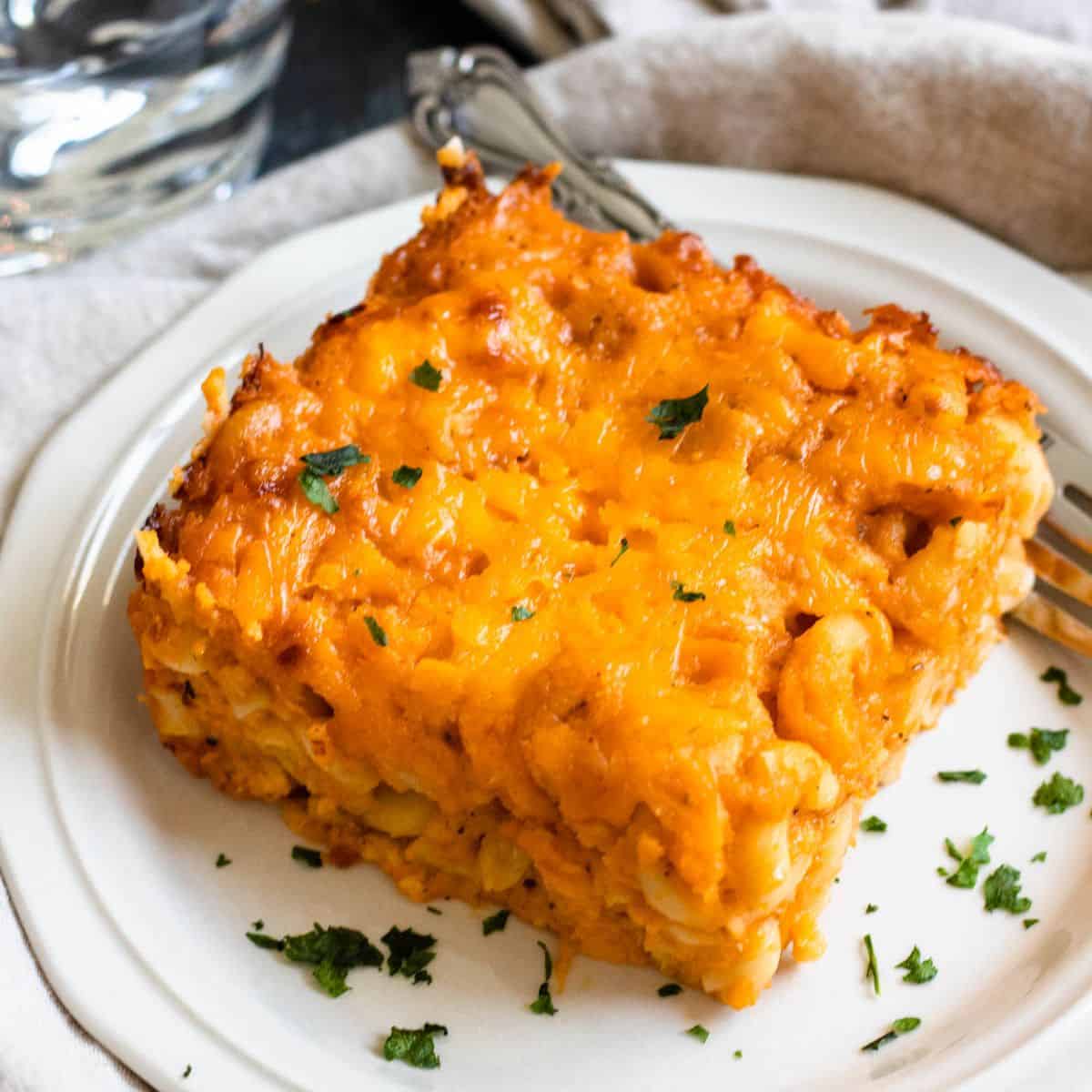 Macaroni Pie
Key Flavors
bread
cassava
dumpling
sweet-potato
pasta
baked
root-vegetables
boiled
Masters of the Kitchen
The chefs who shaped Saint Lucian cuisine
Chef Donavon James
Saint Lucian chef who has promoted the island's Creole cuisine, featuring dishe…
Click to read moreEssential Reading
The cookbooks that define Saint Lucian cuisine
Caribbean Potluck
Caribbean Potluck
A collection of Caribbean recipes including dishes from the Windward Islands and Saint Lucian culinary traditions.
Explore All Dishes
4 authentic recipes from Saint Lucian cuisine
Difficulty:
Time:
Sort:
Showing 4 of 4 dishes
Medium
📜 Story
Cassava Bread
Flatbread from Grated Cassava
Breakfast and accompaniment to stews
Medium
📜 Story
Ducana
Sweet Potato Dumpling
Breakfast and lunch side
Easy
📜 Story
Macaroni Pie
Baked Macaroni and Cheese
Sunday lunch and buffets Easy
📜 Story
Easy
📜 Story
Provision Platter
Boiled Root Vegetable Platter
Breakfast and lunch accompaniment