
🇷🇼
Rwandan Cuisine
Land of a Thousand Hills
Africa
›
East Africa
7
Dishes
5
Categories
Explore
Rwandan cuisine is wholesome and nourishing, built on beans, plantains, sweet potatoes, and fresh vegetables from the country's fertile volcanic soils.
A Culinary Portrait
The heritage, flavors, and traditions of Rwandan cuisine
Rwandan cuisine reflects the agricultural abundance of the Land of a Thousand Hills, where volcanic soil, equatorial rainfall, and terraced hillsides produce a remarkable diversity of crops. The Rwandan plateau, sitting at elevations between 1,500 and 2,500 meters, supports cultivation of beans, sweet potatoes, cassava, plantains, sorghum, and an array of vegetables that form the foundation of the national diet. Historically, cattle held enormous cultural significance among pastoral communities, with dairy products, particularly fermented milk called ikivuguto, occupying a central role in diet and ceremony.
Rwanda's culinary traditions developed relatively independently compared to coastal African nations, insulated by geography from the spice trade routes that transformed East African coastal cooking. Arab and Swahili traders brought limited influence through long-distance trade networks, introducing certain spices and cooking techniques.
Belgian colonial rule from 1916 to 1962 introduced European vegetables, bread-baking, and beer-brewing traditions. The post-1994 period of national rebuilding brought greater culinary exchange with neighboring countries and the wider world, as the Rwandan diaspora returned with new flavors and techniques. Beans (over twenty varieties grown, the primary protein source), plantains (cooked green as a starch or ripe as a sweet), cassava (both the root and leaves are essential), palm oil (used for cooking and flavoring), and dried fish (from Lake Kivu, providing protein to inland communities).
Rwanda's culinary traditions developed relatively independently compared to coastal African nations, insulated by geography from the spice trade routes that transformed East African coastal cooking. Arab and Swahili traders brought limited influence through long-distance trade networks, introducing certain spices and cooking techniques.
Belgian colonial rule from 1916 to 1962 introduced European vegetables, bread-baking, and beer-brewing traditions. The post-1994 period of national rebuilding brought greater culinary exchange with neighboring countries and the wider world, as the Rwandan diaspora returned with new flavors and techniques. Beans (over twenty varieties grown, the primary protein source), plantains (cooked green as a starch or ripe as a sweet), cassava (both the root and leaves are essential), palm oil (used for cooking and flavoring), and dried fish (from Lake Kivu, providing protein to inland communities).
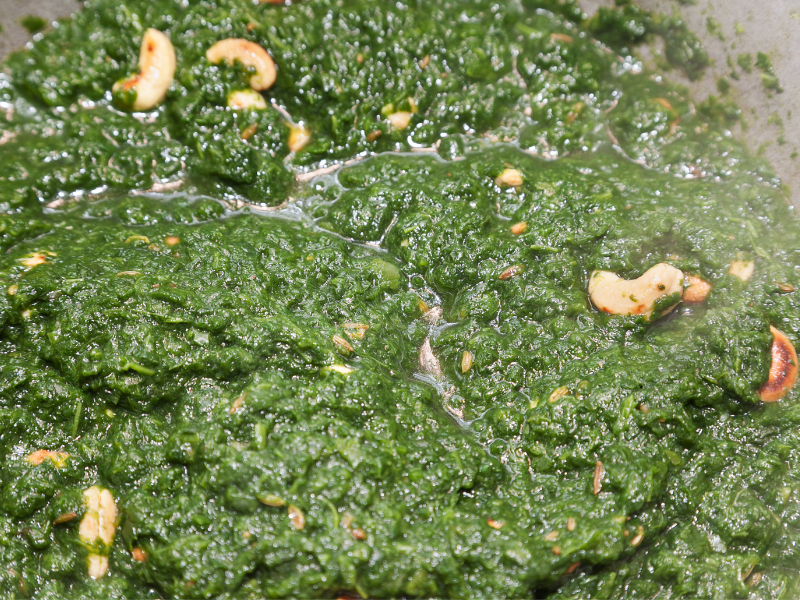 Ikinyiga
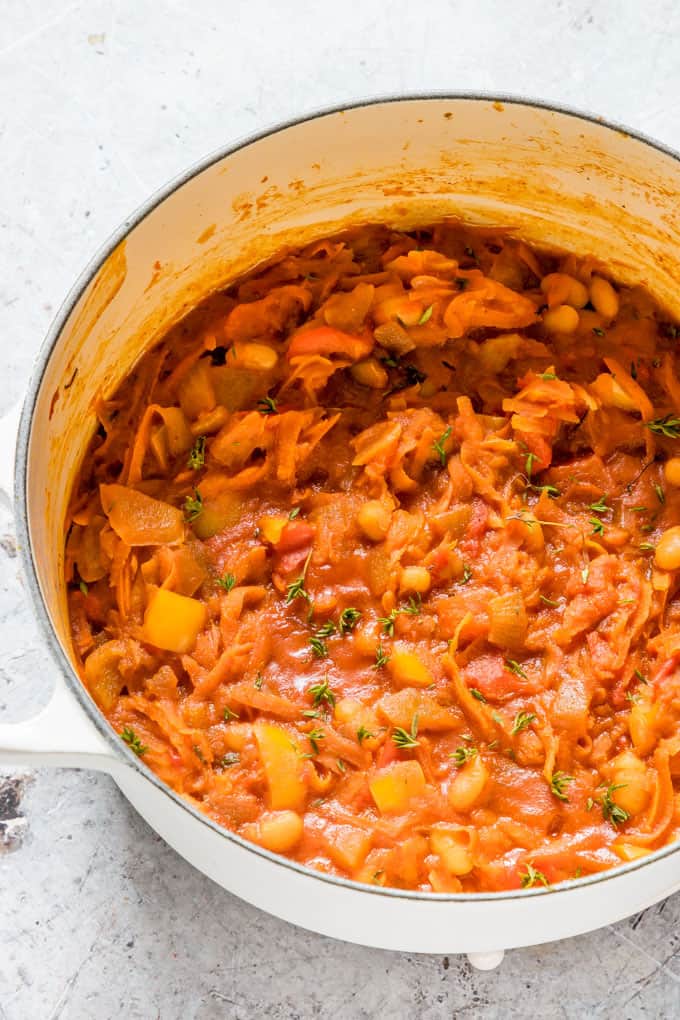 Kachumbari
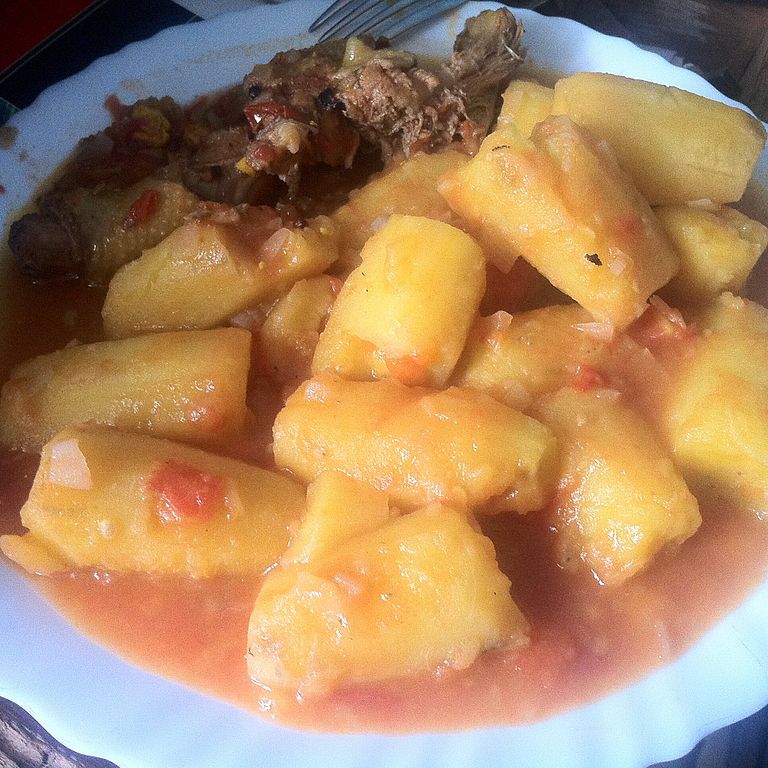 Matoke
Key Flavors
sweet potato
boiled
salad
fresh
banana
steamed
sorghum
porridge
staple
cornmeal
greens
nutritious
Masters of the Kitchen
The chefs who shaped Rwandan cuisine
Dieuveil Malonga
Chef who trained in Europe and champions Central and East African cuisine inclu…
Click to read moreEssential Reading
The cookbooks that define Rwandan cuisine
Cooking the East African Way
Cooking the East African Way
A collection of East African recipes including Rwandan dishes and cooking traditions.
Explore All Dishes
7 authentic recipes from Rwandan cuisine
Difficulty:
Time:
Sort:
Showing 7 of 7 dishes
Easy
📜 Story
Ikinyiga
Boiled Sweet Potatoes
Breakfast and lunch
Easy
📜 Story
Kachumbari
Fresh Tomato and Onion Salad
Accompaniment to grilled foods
Medium
📜 Story
Matoke
Steamed Green Banana Mash
Lunch and dinner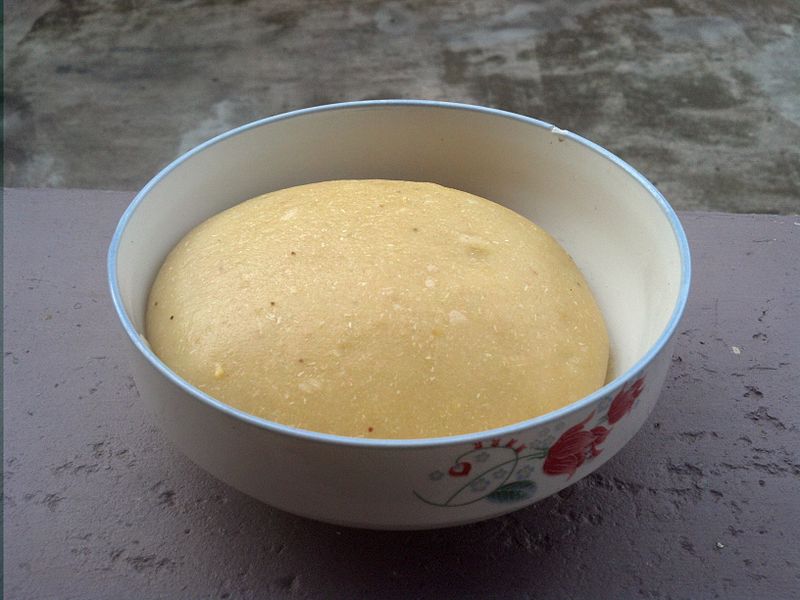 Easy
📜 Story
Easy
📜 Story
Ubugari
Sorghum Porridge
Breakfast and light meals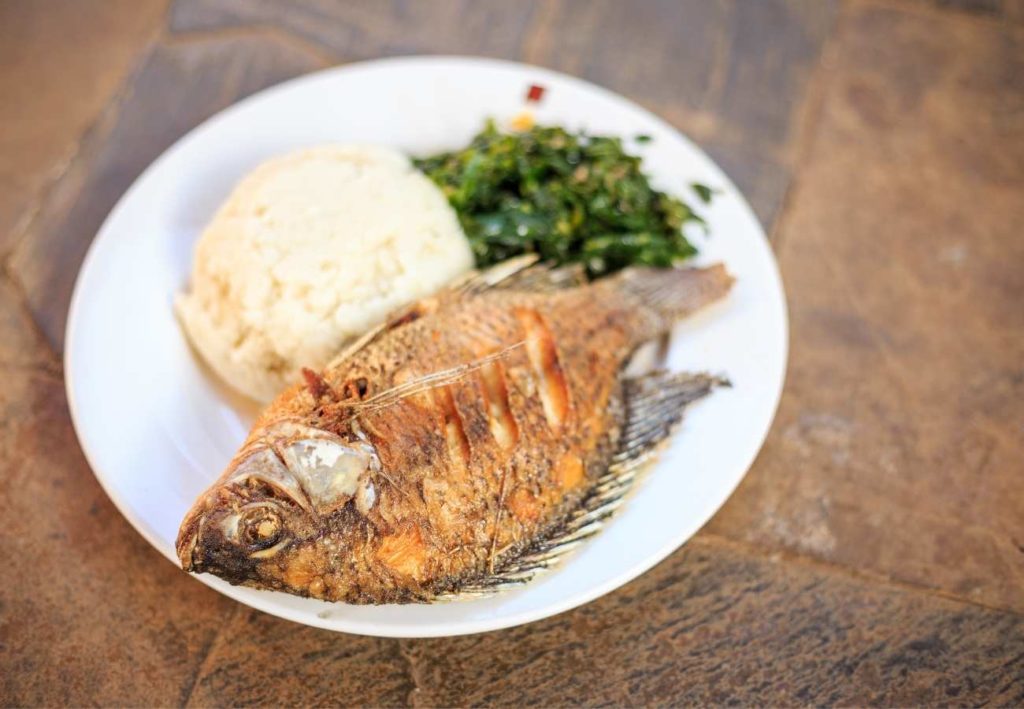 Easy
📜 Story
Easy
📜 Story
Ugali
Stiff Cornmeal Porridge
Lunch and dinner daily Easy
📜 Story
Easy
📜 Story
Umurava
Amaranth Greens
Daily side dish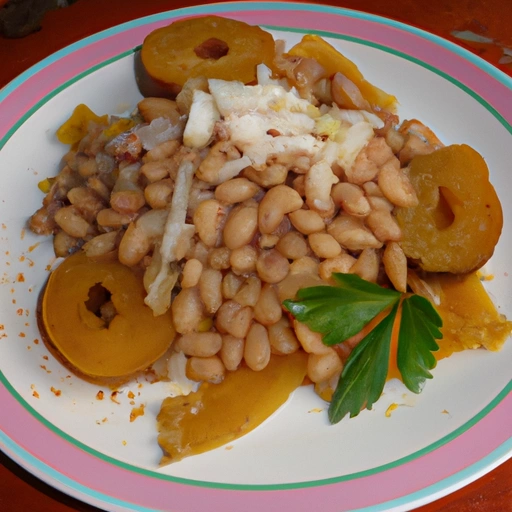 Easy
📜 Story
Easy
📜 Story
Umutsima
Cassava and Corn Paste
Lunch and dinner daily