
🇶🇦
Qatari Cuisine
Desert Meets the Sea
Middle East
›
Middle East
3
Dishes
5
Categories
Explore
Qatari cuisine blends Bedouin desert traditions with Gulf maritime influences. Simple but deeply flavorful dishes built around rice, seafood, lamb, and warming spices.
A Culinary Portrait
The heritage, flavors, and traditions of Qatari cuisine
Qatari cuisine is the food of a small Arabian Peninsula nation whose culinary traditions were shaped by two primary forces: the harsh desert environment of the interior, where Bedouin nomads survived on dates, camel milk, and simple grain preparations, and the Persian Gulf coast, where pearl divers and fishermen developed a seafood-based diet enriched by maritime trade connections to Iran, India, and East Africa. Before the discovery of oil in the 1940s, Qatar was one of the poorest territories in the Gulf, and the cuisine reflects this history of scarcity transformed into generosity. Bedouin desert traditions provide the foundation: dates, flatbread, coffee ceremony, and whole-animal roasting for celebrations. The pearl-diving era (pre-oil) shaped coastal food culture, with fishermen's preparations of fresh catch seasoned with dried limes and spices.
Iranian influence is strong, visible in rice cooking techniques, herb usage, and certain stew preparations, reflecting centuries of trade across the Gulf. Indian traders and laborers brought curry preparations, flatbreads, and spice knowledge. East African connections, maintained through Oman's Indian Ocean trade networks, contributed coconut and tropical flavoring.
The modern wealth of the oil era has brought global cuisine to Qatar, but traditional Qatari food retains its identity as the cuisine of hospitality and heritage. Dried limes (loomi, the essential souring agent), baharat (a warm spice blend of cinnamon, cardamom, cloves, and pepper), saffron (used lavishly in rice dishes), dates (Qatar's most important traditional food), and rose water (for both savory and sweet applications).
Iranian influence is strong, visible in rice cooking techniques, herb usage, and certain stew preparations, reflecting centuries of trade across the Gulf. Indian traders and laborers brought curry preparations, flatbreads, and spice knowledge. East African connections, maintained through Oman's Indian Ocean trade networks, contributed coconut and tropical flavoring.
The modern wealth of the oil era has brought global cuisine to Qatar, but traditional Qatari food retains its identity as the cuisine of hospitality and heritage. Dried limes (loomi, the essential souring agent), baharat (a warm spice blend of cinnamon, cardamom, cloves, and pepper), saffron (used lavishly in rice dishes), dates (Qatar's most important traditional food), and rose water (for both savory and sweet applications).
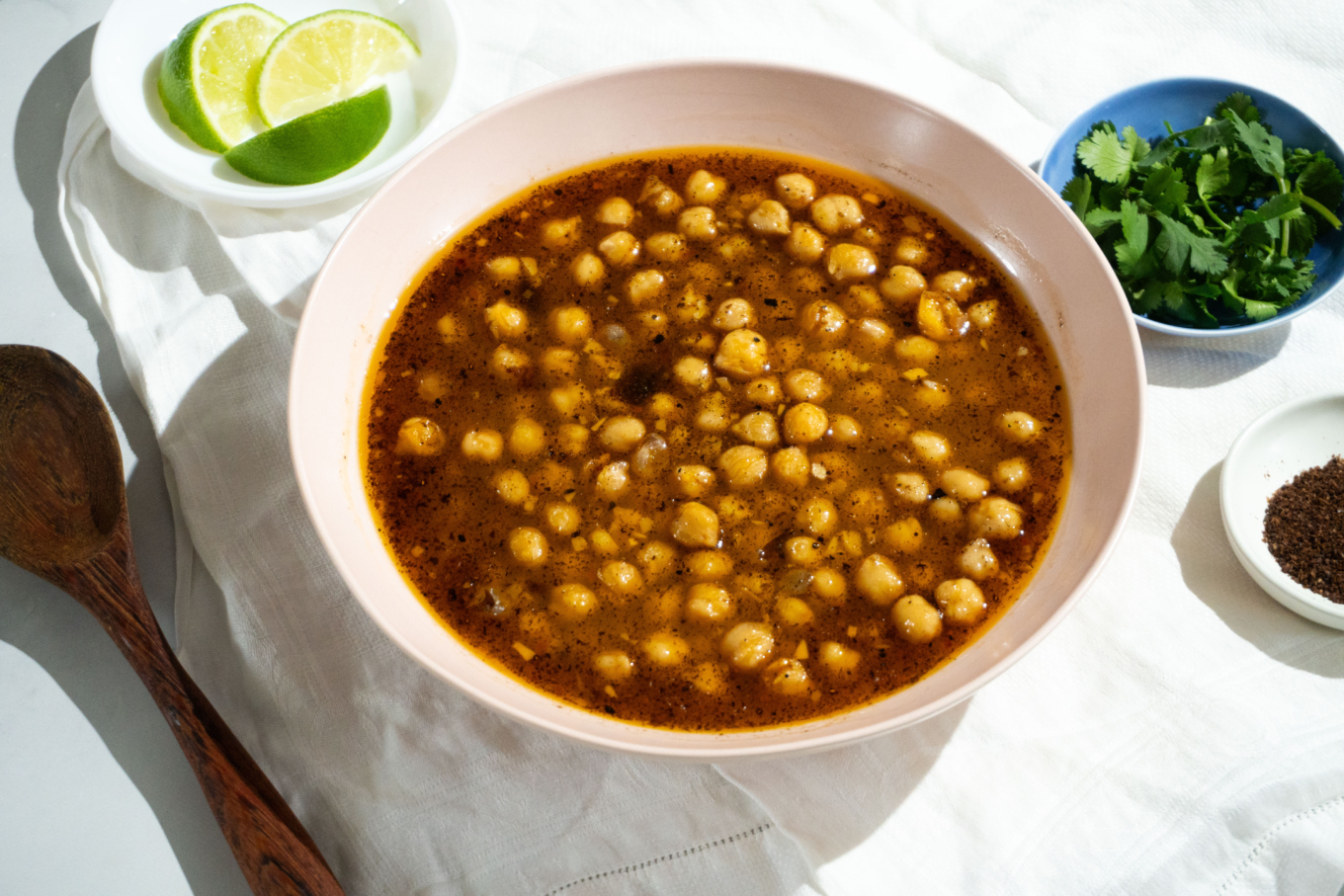 Dango
Dango
 Muhammar
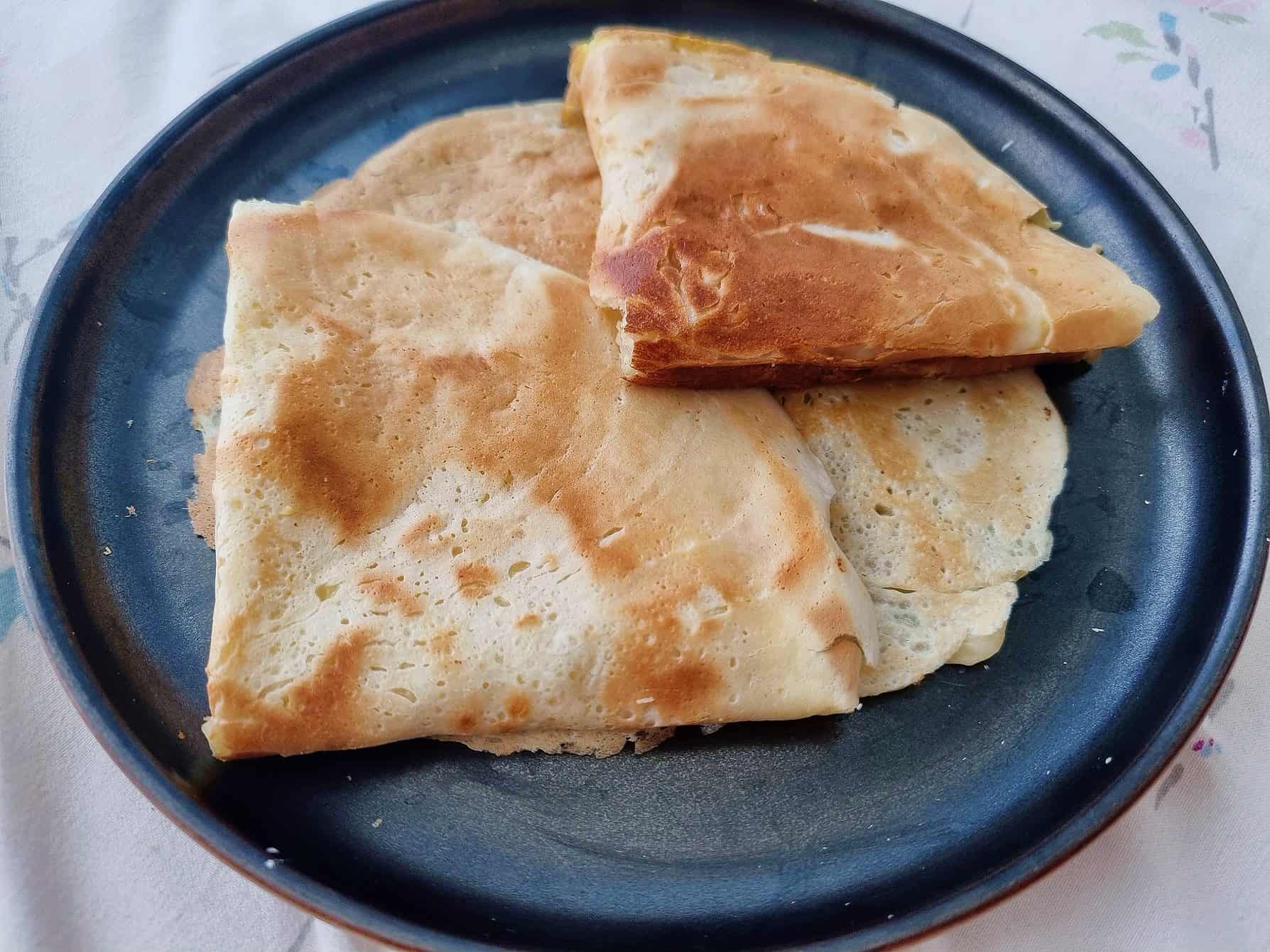 Regag
Regag
Key Flavors
chickpea
vegan
rice
sweet
bread
breakfast
Masters of the Kitchen
The chefs who shaped Qatari cuisine
Noor Al Mazroei
Qatari chef and food writer who has promoted traditional Qatari cuisine, includ…
Click to read moreEssential Reading
The cookbooks that define Qatari cuisine
Saffron and Cardamom: Savory Cooking of…
Saffron and Cardamom: Savory Cooking of the Middle East
A collection of Gulf Arab recipes including Qatari dishes that showcase the country's blend of Bedouin, Persian, and In…
Explore All Dishes
3 authentic recipes from Qatari cuisine
Difficulty:
Time:
Sort:
Showing 3 of 3 dishes