Palestinian Cuisine
Resilience on Every Plate
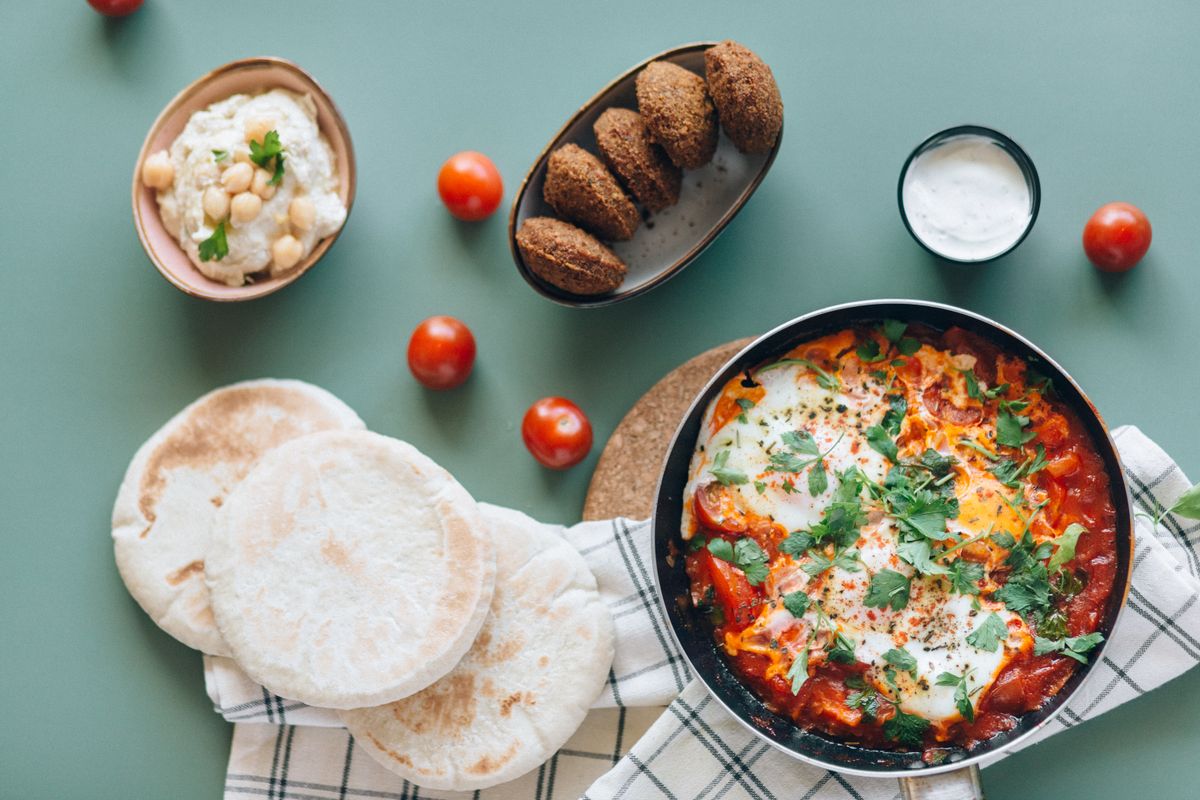
Palestinian cuisine is deeply rooted in the land — olive oil, za'atar, and sumac form the holy trinity. Every dish carries warmth of communal gathering and centuries of agricultural heritage.
A Culinary Portrait
The heritage, flavors, and traditions of Palestinian cuisine
The taboon oven, a clay-lined pit used for baking flatbreads, remains a defining symbol of Palestinian cuisine, connecting modern cooks to techniques predating written history. Food is central to Palestinian identity and resistance -- the preservation of recipes through diaspora communities represents a living archive of cultural memory. Palestinian meals are generous and communal, built around shared platters placed at the center of the table. Breakfast often features olive oil, za'atar, labneh, and fresh vegetables.
Lunch is the main meal, anchored by rice or bread with stewed meats and vegetables. Hospitality is paramount -- offering food to guests is a deeply held cultural obligation, and refusing a meal is considered impolite. Arabic coffee with cardamom marks the beginning and end of social gatherings, and seasonal celebrations revolve around specific dishes that connect families to the agricultural calendar.
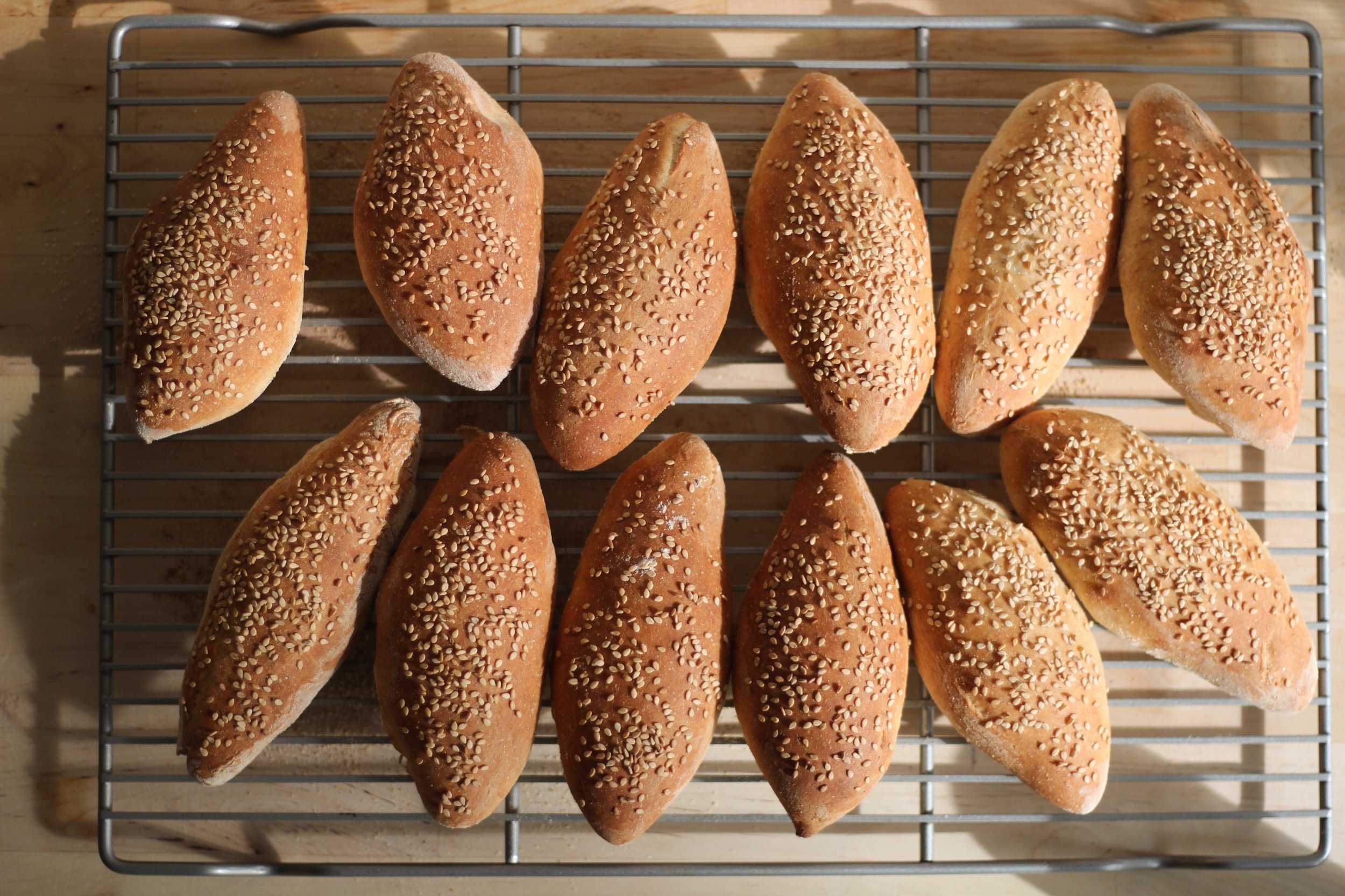 Ka'ak al-Quds
Key Flavors
Masters of the Kitchen
The chefs who shaped Palestinian cuisine
Sami Tamimi
Palestinian-born chef and co-author of the bestselling cookbook Jerusalem with …
Click to read moreReem Kassis
Palestinian food writer and cookbook author whose books The Palestinian Table a…
Click to read moreEssential Reading
The cookbooks that define Palestinian cuisine
The Palestinian Table
Over 150 recipes that celebrate Palestinian culinary heritage, from family meals to festive feasts.
The Gaza Kitchen
The first English-language cookbook dedicated to Gazan cuisine, documenting recipes and food traditions under challengi…
Explore All Dishes
1 authentic recipes from Palestinian cuisine