
🇴🇲
Omani Cuisine
Ancient Aromas of Arabia
Middle East
›
Middle East
2
Dishes
6
Categories
Explore
Omani cuisine carries the influence of Zanzibar, India, and Persia from centuries of maritime trade. Slow-cooked meats, saffron rice, and frankincense-scented sweets make it unique.
A Culinary Portrait
The heritage, flavors, and traditions of Omani cuisine
Omani cuisine is the food of an ancient maritime civilization that has traded across the Indian Ocean for over five thousand years, connecting the Arabian Peninsula to East Africa, India, and Southeast Asia. This extraordinary seafaring heritage created a cuisine far more diverse and subtly spiced than those of neighboring Gulf states, incorporating influences from every port along Oman's vast trading network. The country's geography, from the lush Dhofar region in the south (moistened by the khareef monsoon) to the stark Hajar Mountains and the vast Rub' al Khali desert, produces dramatic regional culinary variation. Omani maritime traders, who controlled trade routes stretching from Zanzibar to Guangzhou, brought back spices, cooking techniques, and ingredients from across the Indian Ocean world.
The Zanzibari connection is particularly strong, with Swahili-influenced dishes featuring coconut and tropical spices appearing in Omani coastal cooking. Indian influence is visible in curry preparations and rice dishes. Persian culinary impact shows in rice cooking techniques and certain stew preparations.
Bedouin desert traditions provide the foundation of interior cuisine, built on dates, camel and goat dairy, and whole-animal roasting. Frankincense, Oman's most famous export for millennia, also flavors certain traditional preparations. Dried limes (loomi, the essential Omani souring agent), saffron (used generously in rice and meat dishes), cardamom (flavoring both coffee and food), dates (from Oman's legendary palm groves), and rose water (for both savory and sweet applications).
The Zanzibari connection is particularly strong, with Swahili-influenced dishes featuring coconut and tropical spices appearing in Omani coastal cooking. Indian influence is visible in curry preparations and rice dishes. Persian culinary impact shows in rice cooking techniques and certain stew preparations.
Bedouin desert traditions provide the foundation of interior cuisine, built on dates, camel and goat dairy, and whole-animal roasting. Frankincense, Oman's most famous export for millennia, also flavors certain traditional preparations. Dried limes (loomi, the essential Omani souring agent), saffron (used generously in rice and meat dishes), cardamom (flavoring both coffee and food), dates (from Oman's legendary palm groves), and rose water (for both savory and sweet applications).
 Kahwa
Kahwa
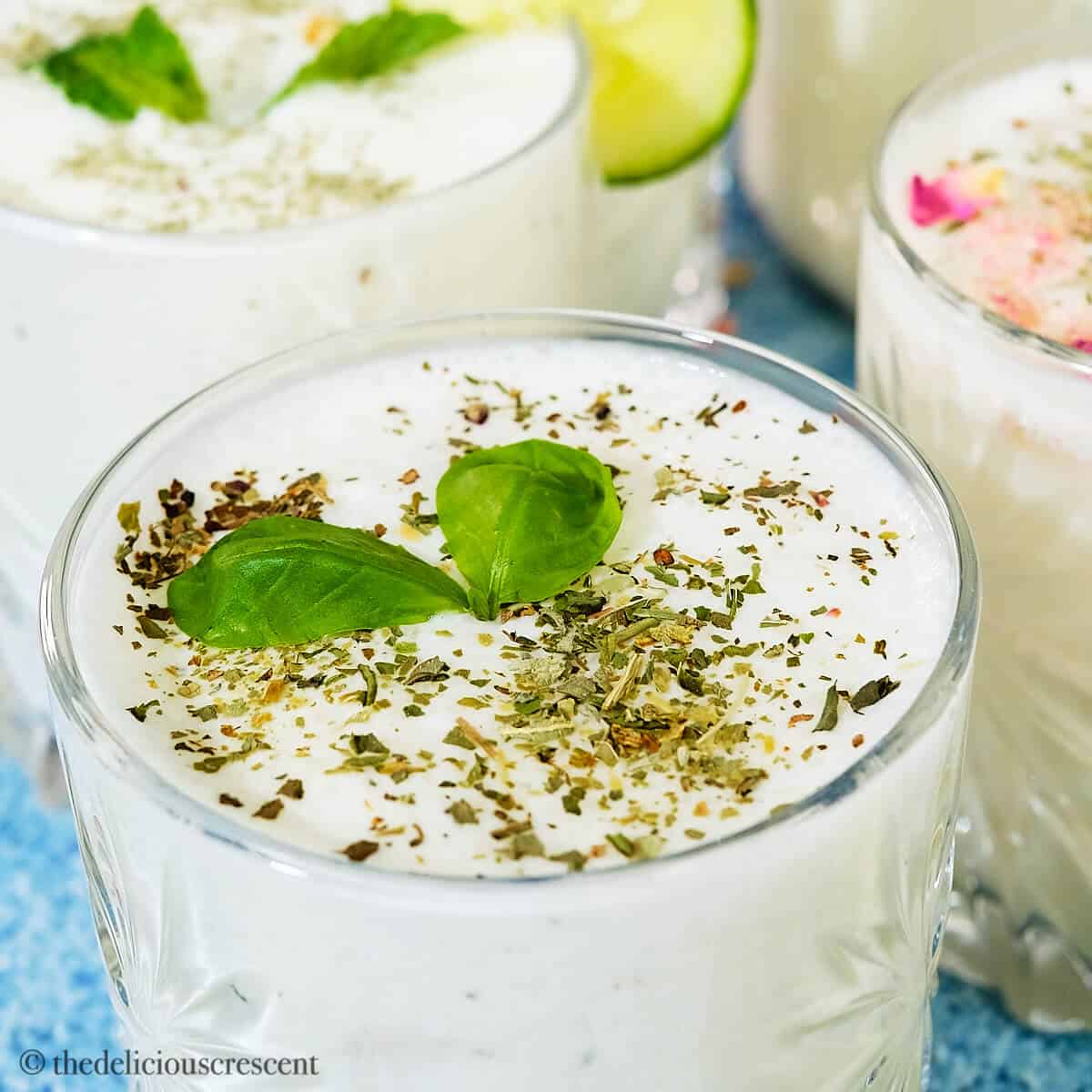 Laban
Laban
Key Flavors
coffee
beverage
drink
yogurt
Masters of the Kitchen
The chefs who shaped Omani cuisine
Sami Zubaidi
Omani chef who has championed traditional Omani cuisine, featuring dishes like …
Click to read moreEssential Reading
The cookbooks that define Omani cuisine
A Taste of Oman
A Taste of Oman
A collection of traditional Omani recipes celebrating the sultanate's distinctive cuisine blending Arab, Indian, and Ea…
Explore All Dishes
2 authentic recipes from Omani cuisine
Difficulty:
Time:
Sort:
Showing 2 of 2 dishes