
🇰🇵
North Korean Cuisine
Hermit Kingdom's Kitchen
Asia
›
East Asia
3
Dishes
5
Categories
Explore
North Korean cuisine preserves ancient Korean cooking traditions, with cold noodles, kimchi, and simple but flavorful preparations that emphasize seasonal ingredients and fermentation.
A Culinary Portrait
The heritage, flavors, and traditions of North Korean cuisine
North Korean cuisine shares its deep historical roots with the broader Korean culinary tradition, which stretches back thousands of years on the Korean Peninsula. The cuisine of what is now North Korea was historically known for its refined, subtle flavors, elegant presentation, and the sophisticated cold-climate food preservation techniques developed in the mountainous northern provinces. Pyongyang, the ancient capital, was renowned for its distinctive cold noodle preparations, dumplings, and elaborate court cuisine. The northern provinces of Pyongan, Hamgyong, and Hwanghae each developed distinct culinary identities shaped by their geography.
Ancient Korean kingdoms, particularly Goguryeo (which was centered in the north), developed fermentation traditions, soybean processing, and grain cultivation that remain the foundation of Korean food culture. Buddhist influence during the Goryeo dynasty introduced vegetarian cooking traditions and refined the cuisine's emphasis on natural flavors. Chinese culinary exchange over centuries contributed dumpling techniques, noodle-making, and certain flavoring principles.
Japanese colonial rule (1910-1945) introduced some cooking techniques and ingredients. The division of Korea in 1945 and the Korean War (1950-1953) severed the peninsula's culinary unity, and decades of isolation have preserved certain traditional preparations in the North while the South's cuisine evolved through globalization. Kimchi (fermented vegetables, especially napa cabbage), doenjang (fermented soybean paste), gochugaru (red pepper flakes, used more sparingly than in the South), buckwheat (for the famous cold noodles), and sesame oil (the essential finishing flavor).
Ancient Korean kingdoms, particularly Goguryeo (which was centered in the north), developed fermentation traditions, soybean processing, and grain cultivation that remain the foundation of Korean food culture. Buddhist influence during the Goryeo dynasty introduced vegetarian cooking traditions and refined the cuisine's emphasis on natural flavors. Chinese culinary exchange over centuries contributed dumpling techniques, noodle-making, and certain flavoring principles.
Japanese colonial rule (1910-1945) introduced some cooking techniques and ingredients. The division of Korea in 1945 and the Korean War (1950-1953) severed the peninsula's culinary unity, and decades of isolation have preserved certain traditional preparations in the North while the South's cuisine evolved through globalization. Kimchi (fermented vegetables, especially napa cabbage), doenjang (fermented soybean paste), gochugaru (red pepper flakes, used more sparingly than in the South), buckwheat (for the famous cold noodles), and sesame oil (the essential finishing flavor).
 콩밥
콩밥
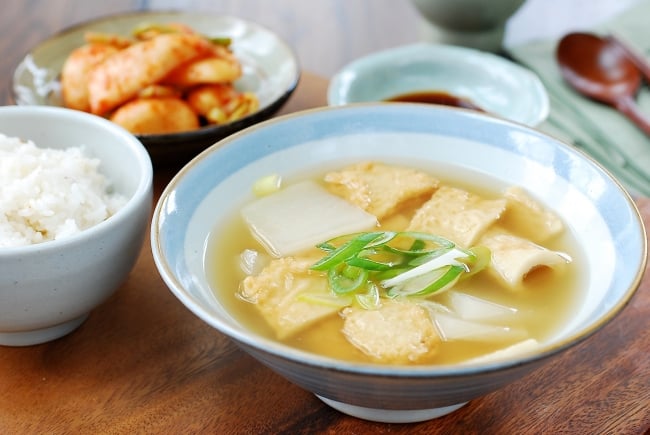 어묵탕
어묵탕
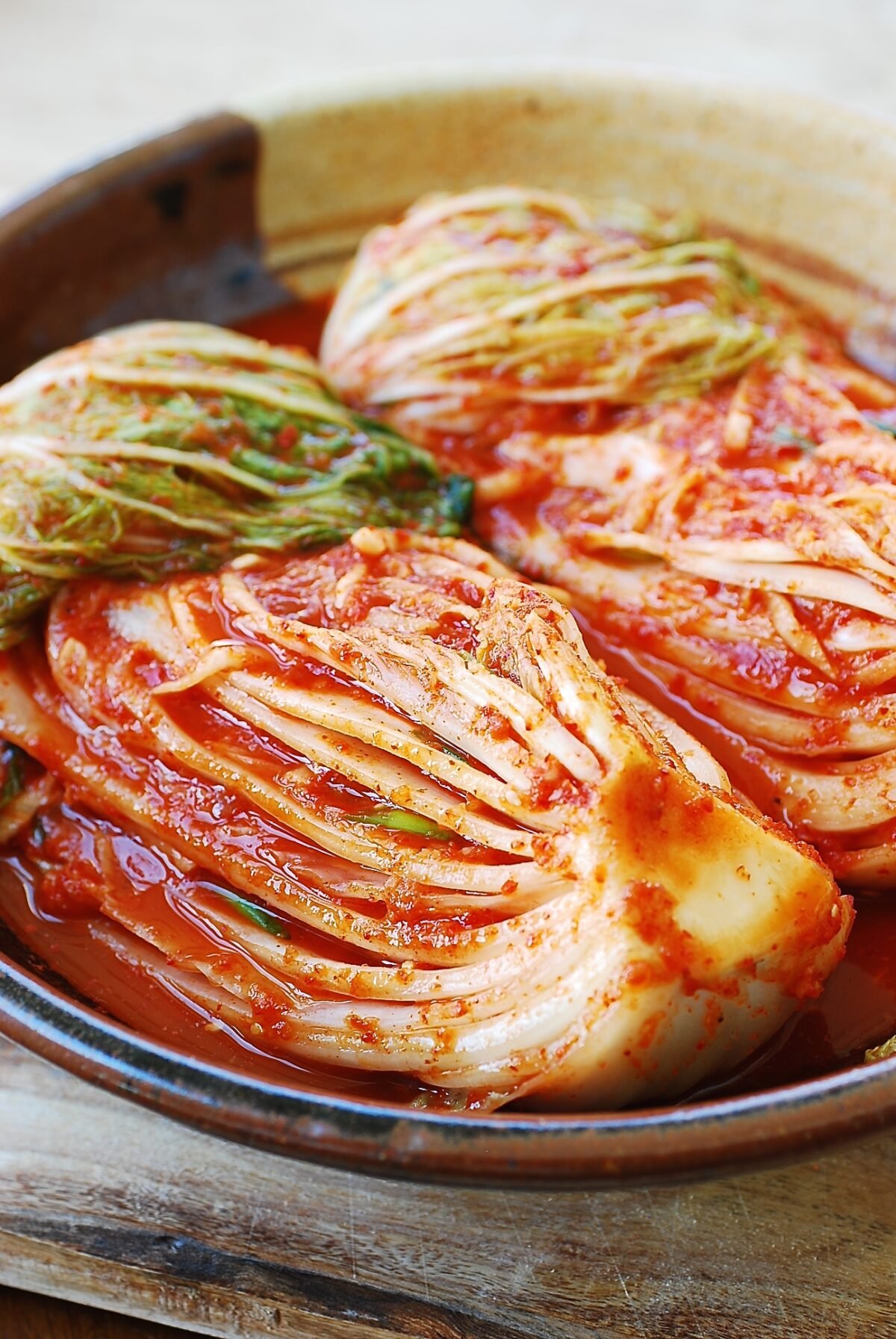 Kimchi
Key Flavors
rice
beans
soup
fish cake
fermented
essential
Masters of the Kitchen
The chefs who shaped North Korean cuisine
Ri Hyang-suk
North Korean chef known for traditional Pyongyang cold noodles (naengmyeon) and…
Click to read moreEssential Reading
The cookbooks that define North Korean cuisine
Korean Home Cooking
Korean Home Cooking
A comprehensive guide to Korean cuisine including traditional dishes from both northern and southern Korean cooking tra…
Explore All Dishes
3 authentic recipes from North Korean cuisine
Difficulty:
Time:
Sort:
Showing 3 of 3 dishes