
🇻🇺
Ni-Vanuatu Cuisine
Spirit of Melanesia
Oceania
›
Oceania
7
Dishes
6
Categories
Explore
Vanuatu cuisine features tropical root vegetables, coconut, fresh seafood, and the ceremonial kava drink that is central to island culture.
A Culinary Portrait
The heritage, flavors, and traditions of Ni-Vanuatu cuisine
Ni-Vanuatu cuisine is the food tradition of a Melanesian archipelago of over eighty islands in the South Pacific, where volcanic soil, tropical climate, and ocean abundance have sustained human communities for over three thousand years. The cuisine is rooted in the Melanesian agricultural triad of taro, yam, and breadfruit, supplemented by coconut, banana, and the protein of reef fish, shellfish, and the occasional domesticated animal. Each island and village maintains distinct food traditions, reflecting the extraordinary linguistic and cultural diversity of a nation with over one hundred active languages.
The Lapita people, the ancestral Melanesian settlers, brought root crop agriculture and earth oven cooking techniques that remain the foundation of Ni-Vanuatu food culture. The nakamal (meeting house) tradition centers on the ceremonial consumption of kava, a mildly sedative drink made from the root of the Piper methysticum plant, which is central to social, political, and spiritual life.
British and French joint colonial administration (the Condominium of the New Hebrides, 1906-1980) introduced European foods, with French influence visible in baguettes and certain cooking techniques, while British influence appears in tea culture and canned goods. Presbyterian missionaries discouraged certain traditional food practices while introducing new crops. Taro (the most important root crop), coconut (milk, cream, oil, and flesh in everything), yams (culturally significant and staple food), breadfruit (seasonal but important), and reef fish (the primary animal protein).
The Lapita people, the ancestral Melanesian settlers, brought root crop agriculture and earth oven cooking techniques that remain the foundation of Ni-Vanuatu food culture. The nakamal (meeting house) tradition centers on the ceremonial consumption of kava, a mildly sedative drink made from the root of the Piper methysticum plant, which is central to social, political, and spiritual life.
British and French joint colonial administration (the Condominium of the New Hebrides, 1906-1980) introduced European foods, with French influence visible in baguettes and certain cooking techniques, while British influence appears in tea culture and canned goods. Presbyterian missionaries discouraged certain traditional food practices while introducing new crops. Taro (the most important root crop), coconut (milk, cream, oil, and flesh in everything), yams (culturally significant and staple food), breadfruit (seasonal but important), and reef fish (the primary animal protein).
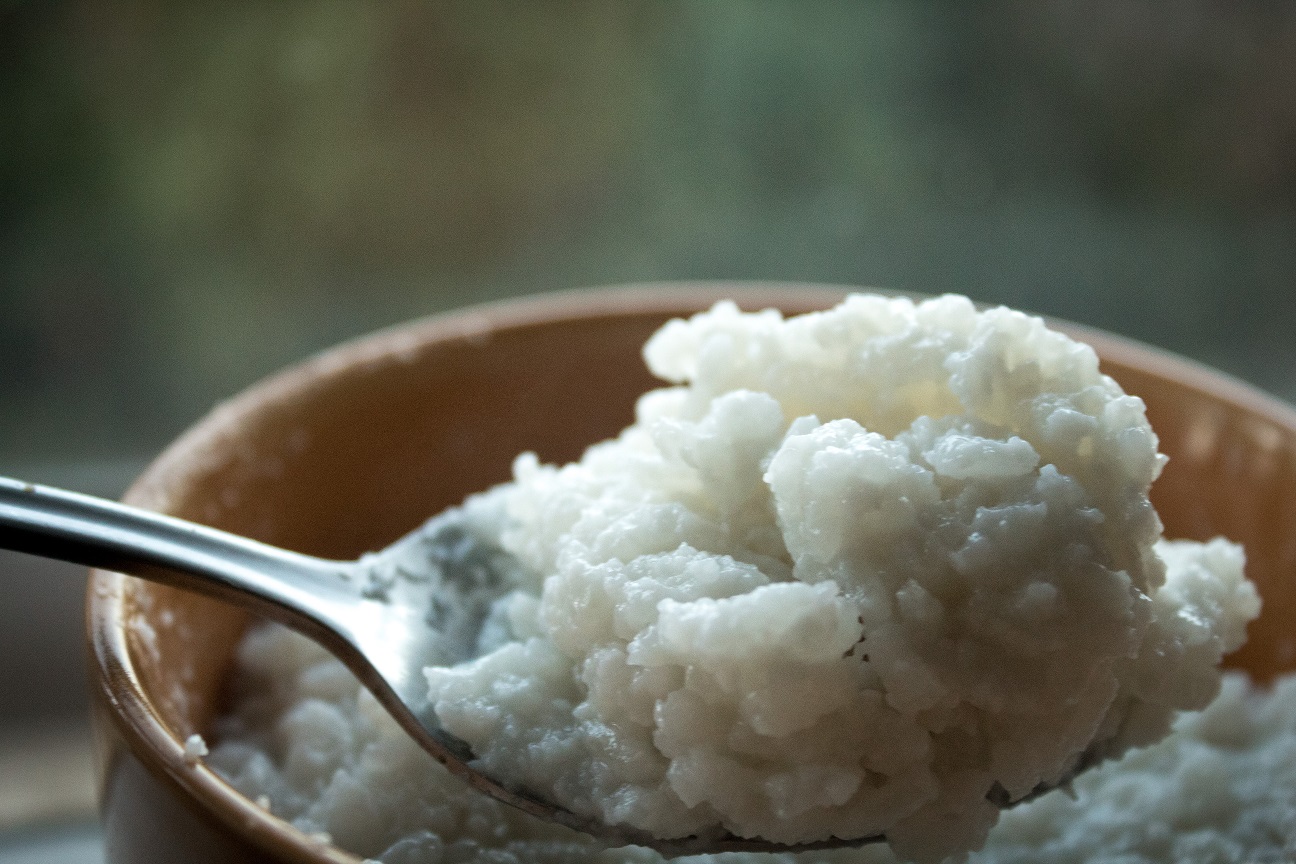 Coconut Rice Vanuatu
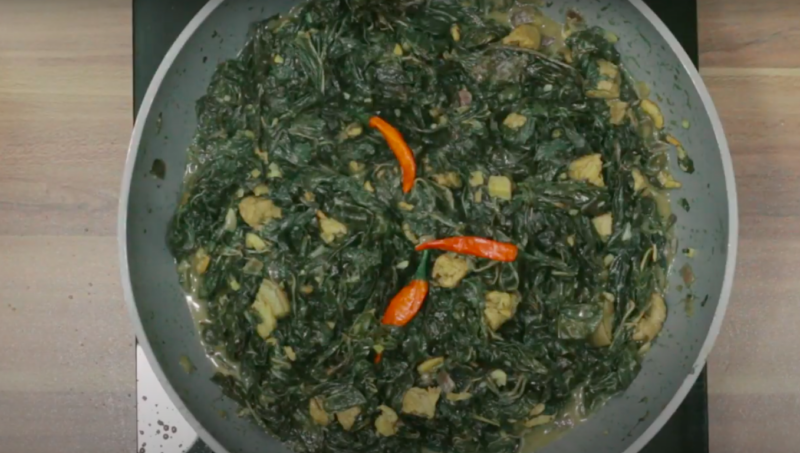 Island Cabbage Soup
Key Flavors
side
simple
side
rice
vegetarian
soup
side
roasted
traditional
breadfruit
traditional
banana leaf
Masters of the Kitchen
The chefs who shaped Ni-Vanuatu cuisine
Jack Kalotap
Ni-Vanuatu food culture advocate who has documented traditional Melanesian cook…
Click to read moreEssential Reading
The cookbooks that define Ni-Vanuatu cuisine
Pacific Island Food and Nutrition
Pacific Island Food and Nutrition
A guide to Pacific Island cuisines including Vanuatu's food traditions and traditional preparation methods.
Explore All Dishes
7 authentic recipes from Ni-Vanuatu cuisine
Difficulty:
Time:
Sort:
Showing 7 of 7 dishes
Boiled Green Bananas
Easy
📜 Story
Boiled Green Bananas
Plain Boiled Cooking Bananas
Daily
Easy
📜 Story
Coconut Rice Vanuatu
Rice in Coconut Milk
Daily
Easy
📜 Story
Island Cabbage Soup
Coconut Island Cabbage Soup
Lunch, dinner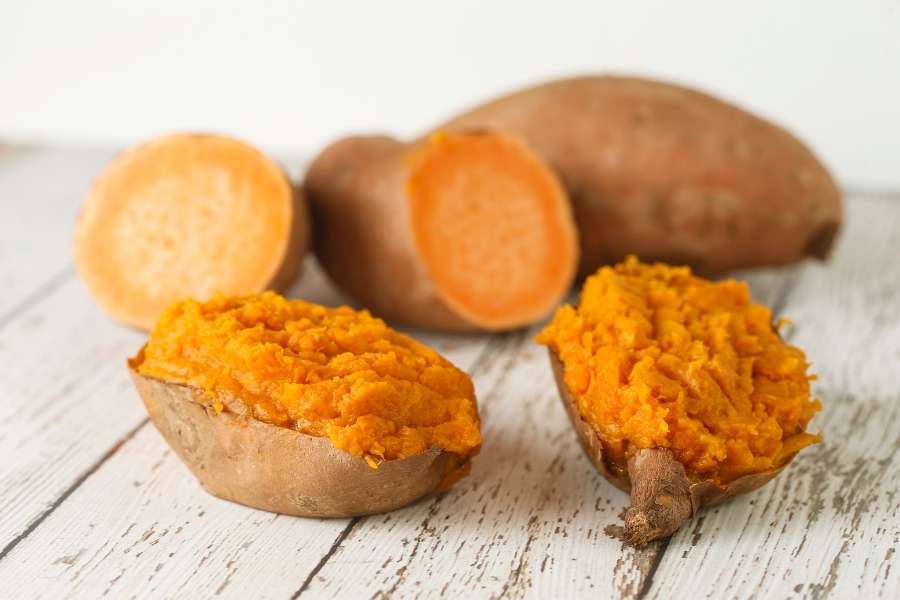 Easy
📜 Story
Easy
📜 Story
Kumala Roast
Roasted Sweet Potato
Any meal Medium
📜 Story
Medium
📜 Story
Nalot
Pounded Breadfruit and Coconut
Feasts, ceremoniesSimboro
Medium
📜 Story
Simboro
Banana Leaf Wrapped Pudding
Any meal, ceremonies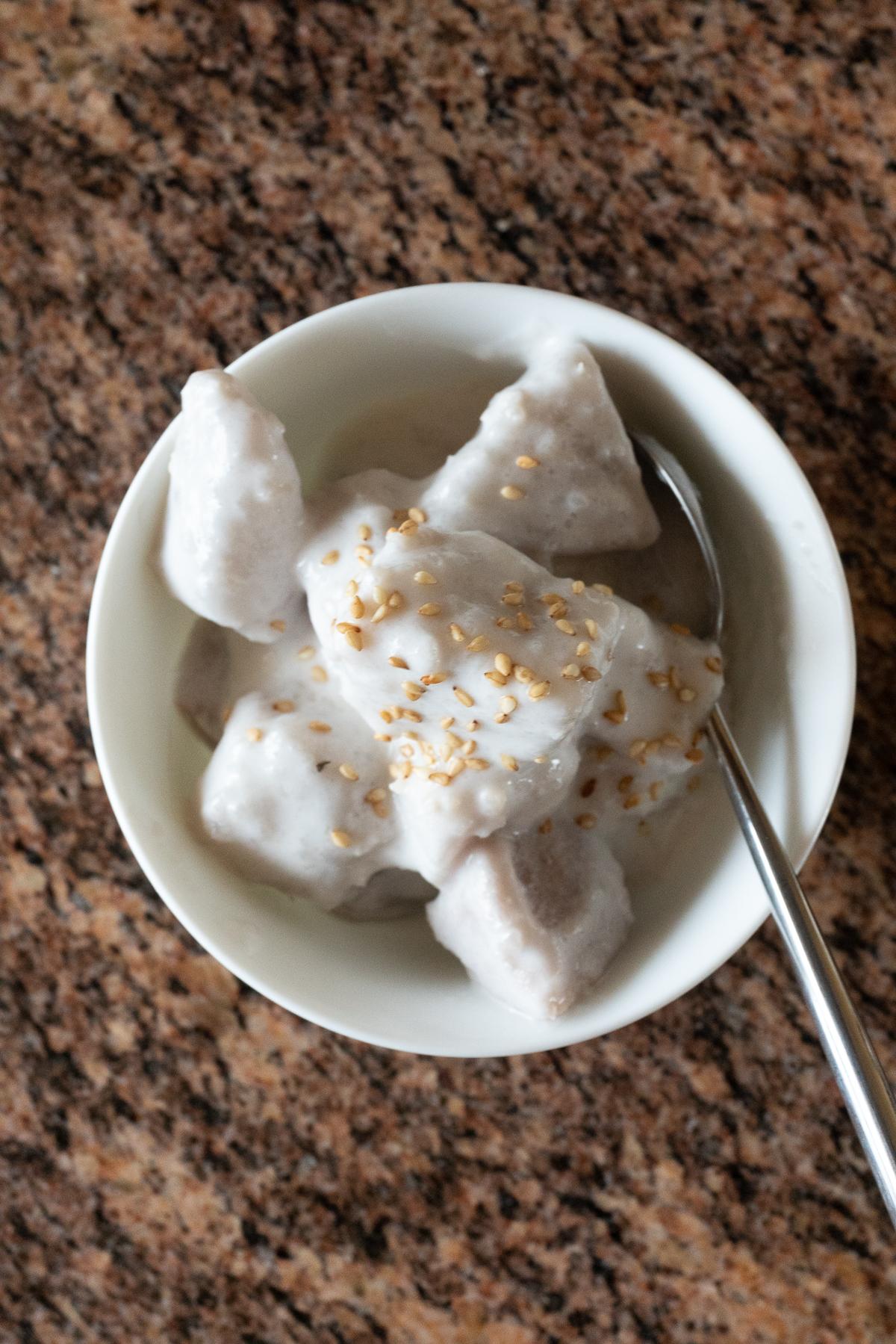 Easy
📜 Story
Easy
📜 Story
Taro in Coconut
Taro Simmered in Coconut Cream
Any meal