Nepali Cuisine
Flavors from the Roof of the World
Nepali cuisine is hearty mountain food built around the daily ritual of dal bhat. Tibetan, Indian, and indigenous flavors merge in a cuisine where every meal is nourishing, warming, and perfectly suited to life in the Himalayas.
A Culinary Portrait
The heritage, flavors, and traditions of Nepali cuisine
Nepal sits at the intersection of South and Central Asian influences. Indian spice traditions flow north through the Terai, while Tibetan techniques of drying, fermenting, and preserving foods descend from the high passes. The result is a cuisine that bridges two culinary worlds: the dal-bhat-tarkari system of the Indian subcontinent and the dumpling-and-noodle culture of Tibet.
Trade routes through Mustang and Humla brought Tibetan butter tea, dried yak meat, and tsampa (roasted barley flour), while Mughal-era influences introduced richer spice blends to the southern plains. Timur (Sichuan pepper, providing a distinctive citrusy numbing heat), jimbu (Himalayan dried allium with a pungent, onion-garlic fragrance), gundruk (fermented dried leafy greens unique to Nepal), mustard oil (the primary cooking fat across the country), and fenugreek seeds (used whole and sprouted in pickles and vegetable dishes).
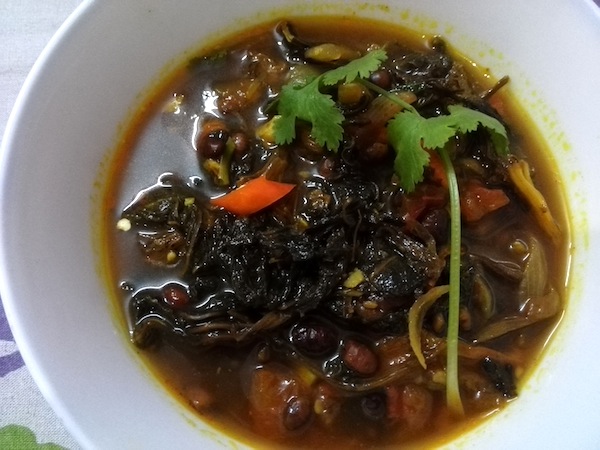 Gundruk
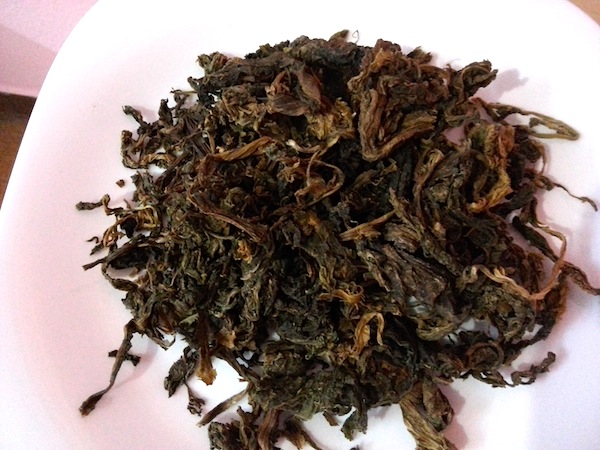 Gundruk Ko Jhol
Key Flavors
Masters of the Kitchen
The chefs who shaped Nepali cuisine
Pemba Lama
Ex-Gurkha soldier turned chef and author of The Ultimate Nepalese Cook Book. He…
Click to read moreBikram Vaidya
Nepali chef and author of The Mystic Kitchens of Nepal, a groundbreaking public…
Click to read moreEssential Reading
The cookbooks that define Nepali cuisine
The Ultimate Nepalese Cook Book
A fusion of Indian, Chinese, Malaysian and Tibetan influences showcasing true Nepalese food at its best.
The Nepal Cookbook
A treasury of authentic Nepali recipes representing the best of traditional Nepali cuisine.
Explore All Dishes
3 authentic recipes from Nepali cuisine