🇳🇦
Namibian Cuisine
Land of the Brave
Africa
›
Southern Africa
2
Dishes
5
Categories
Explore
Namibian cuisine reflects German colonial, South African, and indigenous traditions. Game meats, potjiekos, and kapana street food define this desert nation's culinary landscape.
A Culinary Portrait
The heritage, flavors, and traditions of Namibian cuisine
Namibian cuisine is shaped by the country's extraordinary landscape: the Namib Desert (one of the world's oldest), the Kalahari, vast savanna, and a cold, nutrient-rich Atlantic coastline. Indigenous San (Bushman) peoples, among the oldest continuous cultures on Earth, developed a hunter-gatherer food tradition based on wild game, foraged plants, roots, berries, and insects that sustained them for tens of thousands of years. Bantu-speaking peoples, including the Ovambo, Herero, and Nama, brought cattle herding and grain cultivation. German colonization (1884-1915) and South African administration (1915-1990) layered European cooking traditions onto these indigenous foundations.
The San contribute the world's oldest food knowledge: tracking and hunting game, identifying edible plants, and utilizing every part of the landscape for sustenance. Ovambo communities in the north developed pearl millet (mahangu) cultivation and cattle-keeping traditions that remain central to the national diet. Herero pastoralists contributed dairy traditions and cattle culture.
German colonialism introduced beer brewing (Namibia has strict German-style beer purity laws to this day), sausage-making, schnitzel preparations, and baking traditions. South African influence brought braai (barbecue) culture, biltong (dried meat), and potjiekos (cast-iron pot stew). The result is a cuisine that spans from Stone Age foraging to German brewing within a single national food culture. Mahangu (pearl millet, the traditional grain of the Ovambo majority), game meats (kudu, springbok, oryx, and ostrich), dried meat (biltong and other preservations), wild plants (including the !nara melon unique to the Namib), and maize meal (for porridge preparations).
The San contribute the world's oldest food knowledge: tracking and hunting game, identifying edible plants, and utilizing every part of the landscape for sustenance. Ovambo communities in the north developed pearl millet (mahangu) cultivation and cattle-keeping traditions that remain central to the national diet. Herero pastoralists contributed dairy traditions and cattle culture.
German colonialism introduced beer brewing (Namibia has strict German-style beer purity laws to this day), sausage-making, schnitzel preparations, and baking traditions. South African influence brought braai (barbecue) culture, biltong (dried meat), and potjiekos (cast-iron pot stew). The result is a cuisine that spans from Stone Age foraging to German brewing within a single national food culture. Mahangu (pearl millet, the traditional grain of the Ovambo majority), game meats (kudu, springbok, oryx, and ostrich), dried meat (biltong and other preservations), wild plants (including the !nara melon unique to the Namib), and maize meal (for porridge preparations).
 Koeksister
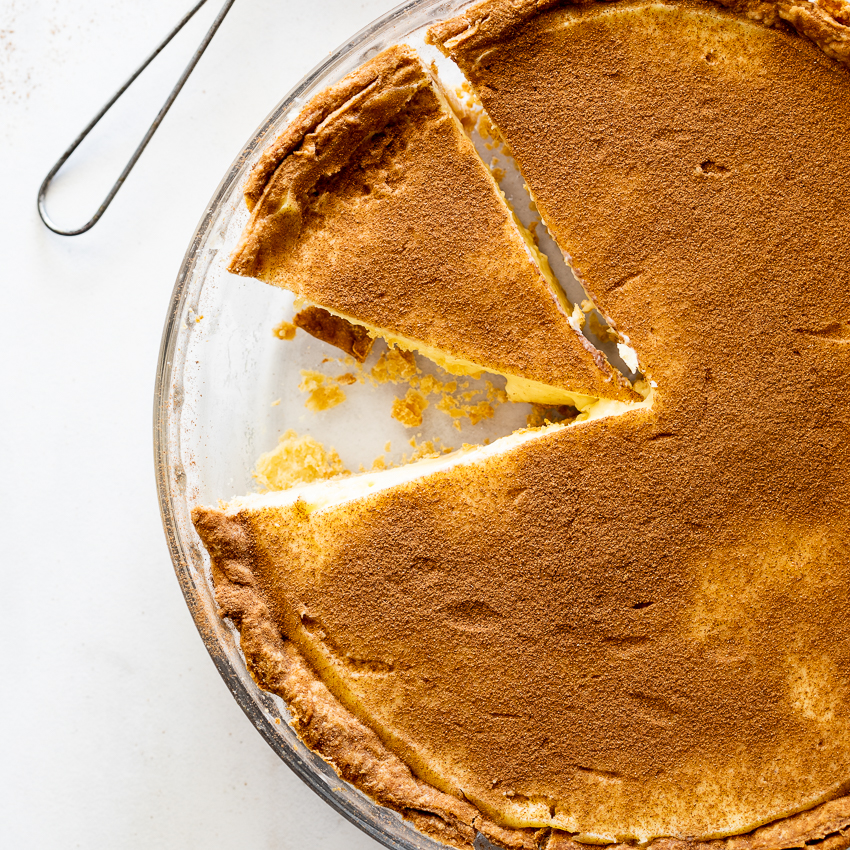 Melktert
Key Flavors
dessert
fried
dessert
custard
Masters of the Kitchen
The chefs who shaped Namibian cuisine
Jason Sobotta
Namibian chef and restaurateur who has promoted Namibian cuisine, featuring gam…
Click to read moreEssential Reading
The cookbooks that define Namibian cuisine
A Taste of Namibia
A Taste of Namibia
A collection of Namibian recipes reflecting the country's diverse culinary heritage from German-influenced pastries to …
Explore All Dishes
2 authentic recipes from Namibian cuisine
Difficulty:
Time:
Sort:
Showing 2 of 2 dishes