🇲🇲
Myanmar Cuisine
Where India Meets Southeast Asia
Asia
›
Southeast Asia
1
Dishes
5
Categories
Explore
Burmese cuisine is a fascinating crossroads where Indian curries, Chinese stir-fries, and uniquely Southeast Asian flavors converge. The obsession with fermented tea leaves and ngapi (shrimp paste) creates flavors found nowhere else.
A Culinary Portrait
The heritage, flavors, and traditions of Myanmar cuisine
Myanmar's cuisine is one of Southeast Asia's most distinctive yet least internationally known culinary traditions, shaped by the country's extraordinary geographic diversity -- from the Himalayan foothills of Kachin and Shan states in the north, through the central dry zone along the Irrawaddy River, to the tropical coastline of the Tanintharyi region in the south. Over 135 officially recognized ethnic groups contribute to a culinary landscape of remarkable variety. The dominant Bamar (Burmese) cuisine of the central plains is characterized by its use of fermented fish paste (ngapi), turmeric, chickpea flour, and a distinctive one-plate meal structure, but the highland cuisines of the Shan, Kachin, Chin, and Rakhine peoples each possess their own ingredients, techniques, and flavor profiles. Myanmar sits at the culinary crossroads of India, China, and Southeast Asia, and its food reflects all three influences while remaining stubbornly its own.
Indian-influenced curries (hin) form the base of many meals, but they are lighter and more oil-forward than their subcontinental cousins, relying on turmeric and shallots rather than heavy cream or yogurt. Chinese influences appear in noodle dishes and stir-frying techniques, while Thai and Laotian flavors permeate the Shan states' cuisine. The Theravada Buddhist tradition, practiced by the majority of the population, shapes food culture through the monastic alms-giving tradition and the associated rhythm of morning markets preparing food for monks' daily rounds.
A traditional Burmese meal is structured as a htamin (rice) plate surrounded by an array of dishes: a main curry (hin), a clear soup (hinjo), a plate of fresh and blanched vegetables, a pungent ngapi dip, and a crunchy accompaniment like fried shallots or chickpea fritters. All dishes are served simultaneously, and diners combine flavors and textures according to personal preference. Eating with the right hand is traditional, though spoons are common.
Indian-influenced curries (hin) form the base of many meals, but they are lighter and more oil-forward than their subcontinental cousins, relying on turmeric and shallots rather than heavy cream or yogurt. Chinese influences appear in noodle dishes and stir-frying techniques, while Thai and Laotian flavors permeate the Shan states' cuisine. The Theravada Buddhist tradition, practiced by the majority of the population, shapes food culture through the monastic alms-giving tradition and the associated rhythm of morning markets preparing food for monks' daily rounds.
A traditional Burmese meal is structured as a htamin (rice) plate surrounded by an array of dishes: a main curry (hin), a clear soup (hinjo), a plate of fresh and blanched vegetables, a pungent ngapi dip, and a crunchy accompaniment like fried shallots or chickpea fritters. All dishes are served simultaneously, and diners combine flavors and textures according to personal preference. Eating with the right hand is traditional, though spoons are common.
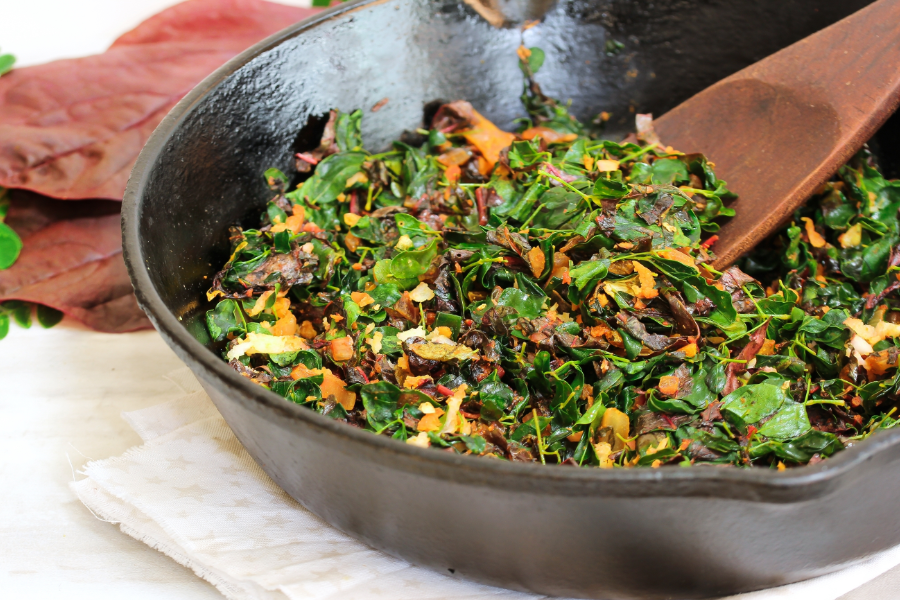 Kyethun Kyaw
Key Flavors
rice
garlic
Masters of the Kitchen
The chefs who shaped Myanmar cuisine
MiMi Aye
British-Burmese food writer and author who has been the foremost voice promotin…
Click to read moreEssential Reading
The cookbooks that define Myanmar cuisine
Mandalay: Recipes and Tales from a Burm…
Mandalay: Recipes and Tales from a Burmese Kitchen
The definitive English-language Burmese cookbook featuring traditional recipes from mohinga to tea leaf salad.
Explore All Dishes
1 authentic recipes from Myanmar cuisine
Difficulty:
Time:
Sort:
Showing 1 of 1 dishes