🇲🇿
Mozambican Cuisine
Spice Coast of Africa
Africa
›
Southern Africa
2
Dishes
6
Categories
Explore
Mozambican cuisine is a vibrant fusion of African, Portuguese, and Indian flavors. Coconut, peri-peri chilies, and fresh seafood define this coastal culinary tradition.
A Culinary Portrait
The heritage, flavors, and traditions of Mozambican cuisine
Mozambican cuisine is one of Africa's most vibrant and distinctive food traditions, shaped by the country's 2,500-kilometer Indian Ocean coastline, Portuguese colonial rule spanning nearly five centuries, and ancient Bantu agricultural foundations. The result is a cuisine unlike any other on the African continent, where African ingredients meet Portuguese technique, Indian Ocean spices, and the transformative fire of the peri-peri chili. The combination of coconut milk, cassava, seafood, and peri-peri that defines Mozambican cooking exists nowhere else in this particular configuration. Bantu-speaking peoples established the agricultural base of maize, cassava, millet, and leafy greens that still sustains rural communities.
Arab and Swahili traders along the northern coast introduced spices, Islamic food customs, and Indian Ocean trade connections. Portuguese colonization, beginning in 1498 with Vasco da Gama's arrival, lasted until independence in 1975 and left the deepest foreign imprint: the peri-peri chili (brought from Brazil), cashew nuts (also from Brazil, now a major crop), bread culture, certain cooking techniques, and the concept of the matapa preparation. Indian communities, brought as traders and laborers, contributed curry preparations and spice knowledge.
This five-hundred-year fusion created something genuinely unique. Peri-peri chilies (the fiery African bird's eye chili that defines the cuisine), coconut milk (essential to coastal cooking), cassava (both the root and the leaves), cashew nuts (Mozambique is a major global producer), and lime (used as both flavoring and marinade).
Arab and Swahili traders along the northern coast introduced spices, Islamic food customs, and Indian Ocean trade connections. Portuguese colonization, beginning in 1498 with Vasco da Gama's arrival, lasted until independence in 1975 and left the deepest foreign imprint: the peri-peri chili (brought from Brazil), cashew nuts (also from Brazil, now a major crop), bread culture, certain cooking techniques, and the concept of the matapa preparation. Indian communities, brought as traders and laborers, contributed curry preparations and spice knowledge.
This five-hundred-year fusion created something genuinely unique. Peri-peri chilies (the fiery African bird's eye chili that defines the cuisine), coconut milk (essential to coastal cooking), cassava (both the root and the leaves), cashew nuts (Mozambique is a major global producer), and lime (used as both flavoring and marinade).
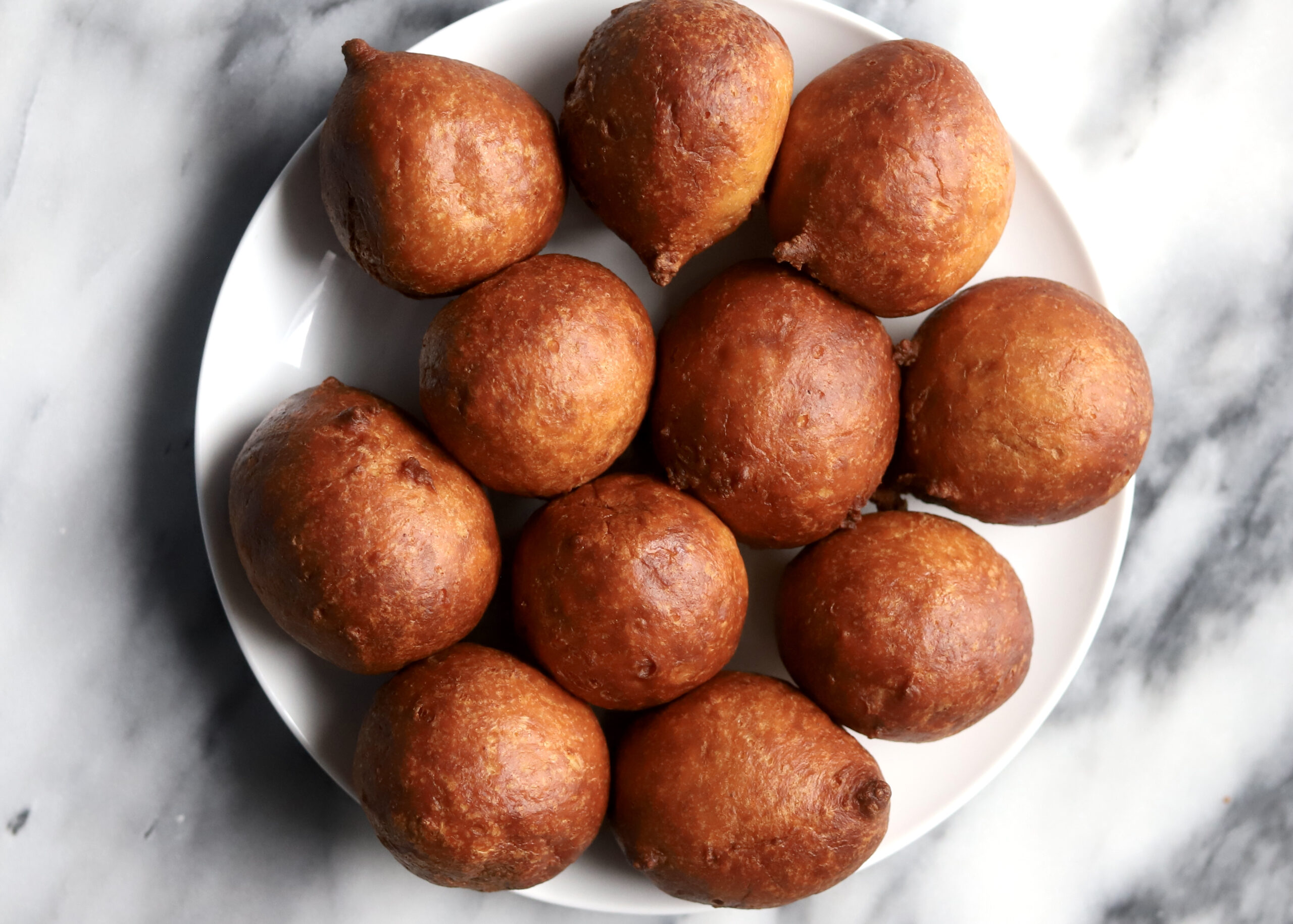 Badjias
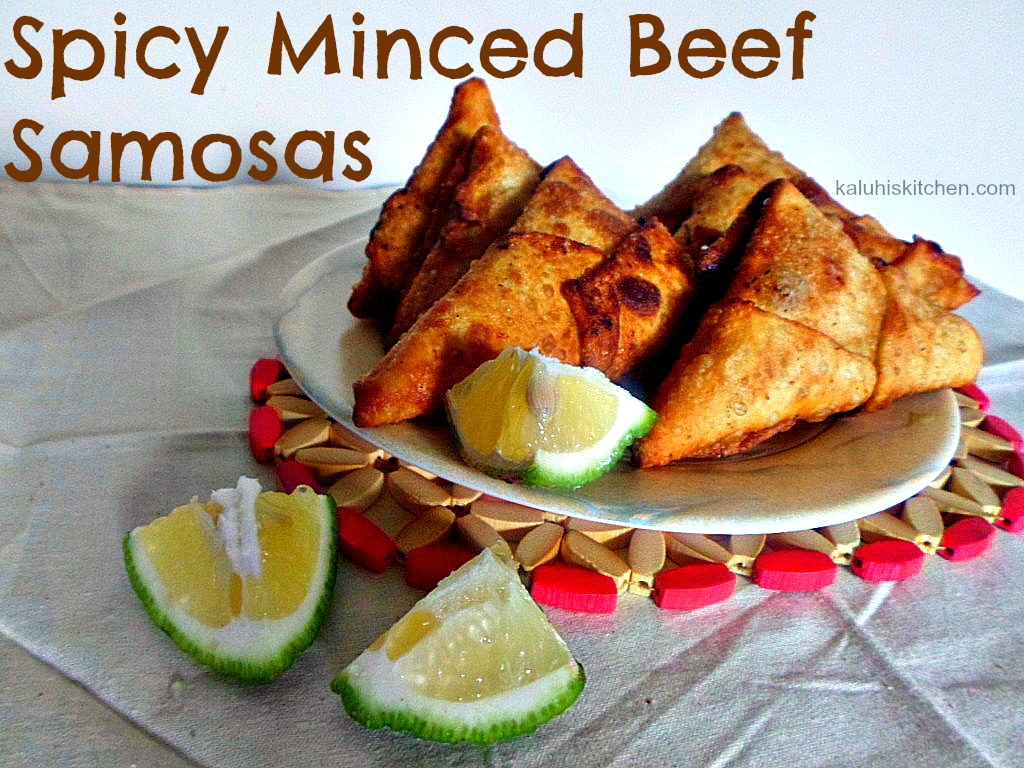 Chamussas
Key Flavors
street food
fritters
street food
fried
Masters of the Kitchen
The chefs who shaped Mozambican cuisine
Jeny Sulemange
Mozambican chef and food entrepreneur who has promoted traditional Mozambican c…
Click to read moreEssential Reading
The cookbooks that define Mozambican cuisine
Mozambique Cookbook
Mozambique Cookbook
A collection of traditional Mozambican recipes featuring peri-peri chicken, matapa, and the country's distinctive Portu…
Explore All Dishes
2 authentic recipes from Mozambican cuisine
Difficulty:
Time:
Sort:
Showing 2 of 2 dishes