🇲🇳
Mongolian Cuisine
Land of the Eternal Blue Sky
Asia
›
East Asia
3
Dishes
6
Categories
Explore
Mongolian cuisine is shaped by the harsh steppe climate and nomadic lifestyle. Mutton, dairy, and simple preparations dominate a cuisine built for survival and sustenance.
A Culinary Portrait
The heritage, flavors, and traditions of Mongolian cuisine
Mongolian cuisine is shaped by one of the most extreme environments inhabited by any food culture: the vast Central Asian steppe, where temperatures swing from scorching summer heat to winter lows of minus forty degrees, and where nomadic herding has sustained life for millennia. The five ancestral animals (tavan khoshuu mal) of sheep, goats, cattle (including yak), horses, and camels provide the foundation of the Mongolian diet. Meat and dairy dominate, reflecting a landscape where crop agriculture was historically impractical across most of the territory. The Mongolian approach to food is utilitarian and deeply respectful: nothing from a slaughtered animal is wasted.
The Mongol Empire under Chinggis Khan and his successors (thirteenth through fourteenth centuries) connected East Asia, Central Asia, Persia, and Europe, exposing Mongolian warriors and traders to diverse food traditions. Chinese influence brought dumplings and noodles, which Mongolians adapted to their meat-centric diet. Tibetan Buddhism, adopted widely from the sixteenth century, introduced ceremonial food practices and a tradition of butter tea.
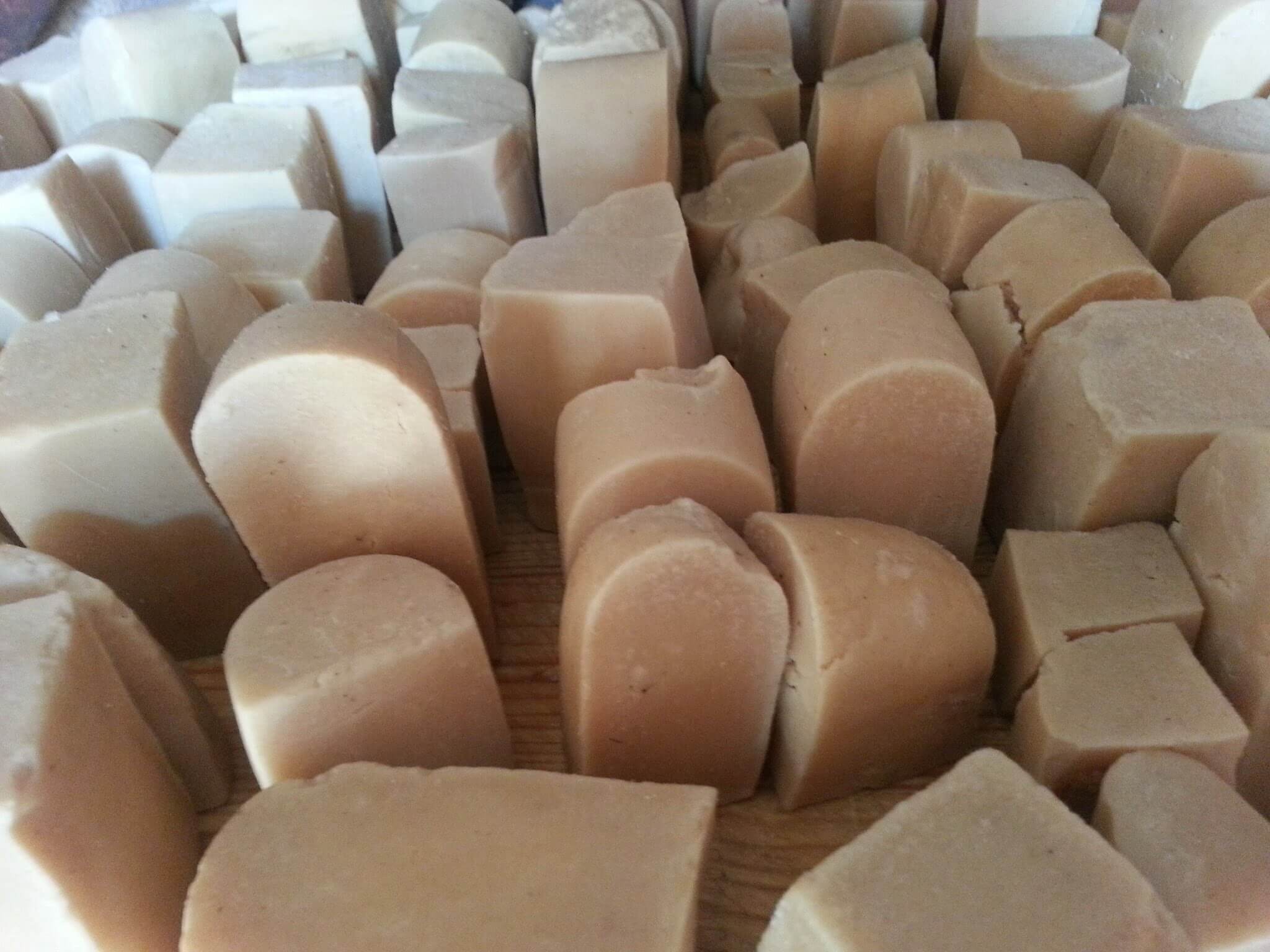
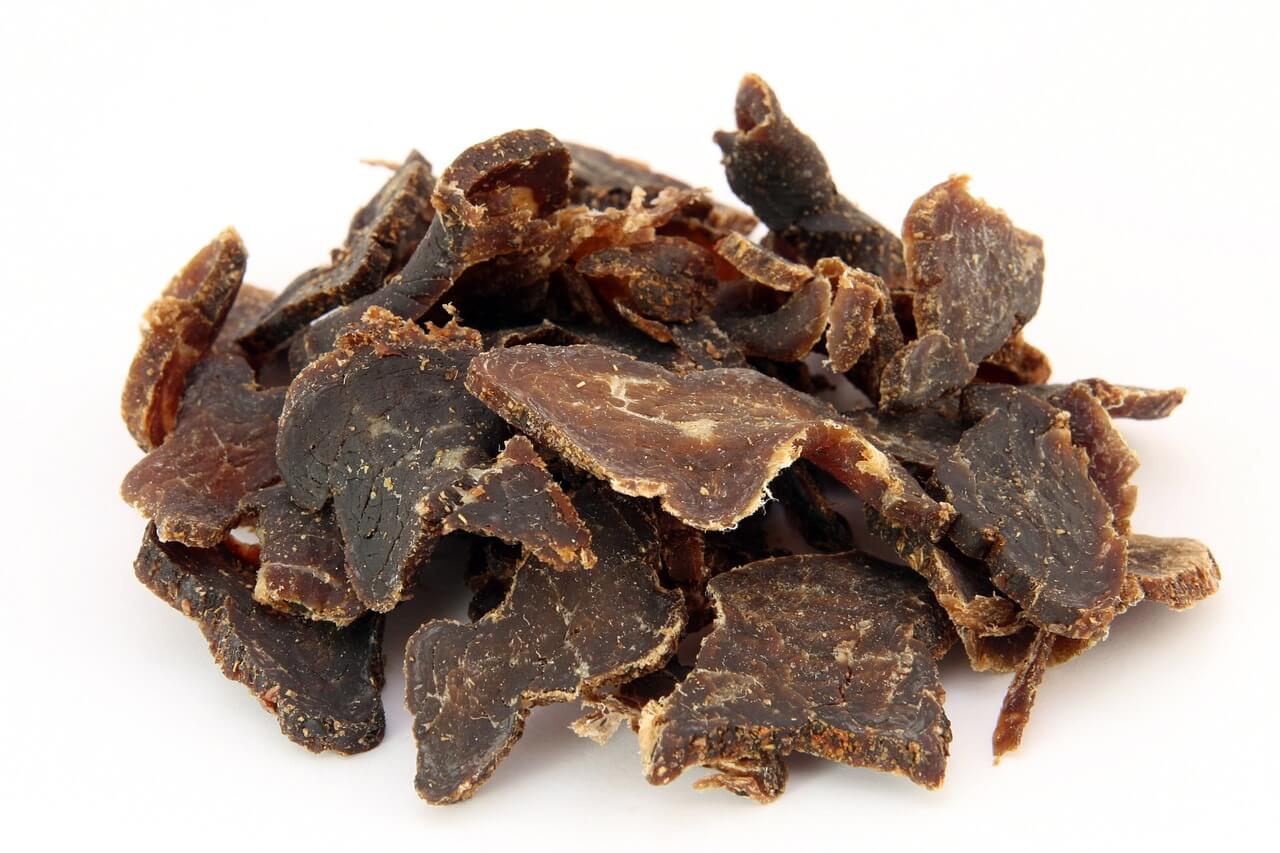
Soviet influence during the twentieth century added bread, vodka, canned goods, and institutional dining culture, though traditional nomadic foodways persisted in the countryside. Mutton (the primary protein, eaten boiled, steamed, or dried), airag (fermented mare's milk, the national beverage), aaruul (dried curds stored for winter consumption), flour (for dumplings and noodles, adopted from Chinese and Russian influence), and suutei tsai (salted milk tea, consumed throughout the day).
The Mongol Empire under Chinggis Khan and his successors (thirteenth through fourteenth centuries) connected East Asia, Central Asia, Persia, and Europe, exposing Mongolian warriors and traders to diverse food traditions. Chinese influence brought dumplings and noodles, which Mongolians adapted to their meat-centric diet. Tibetan Buddhism, adopted widely from the sixteenth century, introduced ceremonial food practices and a tradition of butter tea.
Soviet influence during the twentieth century added bread, vodka, canned goods, and institutional dining culture, though traditional nomadic foodways persisted in the countryside. Mutton (the primary protein, eaten boiled, steamed, or dried), airag (fermented mare's milk, the national beverage), aaruul (dried curds stored for winter consumption), flour (for dumplings and noodles, adopted from Chinese and Russian influence), and suutei tsai (salted milk tea, consumed throughout the day).
 Aaruul
 Borts
Borts
 Tarag
Tarag
Key Flavors
dried
dairy
preserved
dried meat
yogurt
fermented
Masters of the Kitchen
The chefs who shaped Mongolian cuisine
Gerel Batbayar
Mongolian chef and cookbook author who has documented traditional and authentic…
Click to read moreEssential Reading
The cookbooks that define Mongolian cuisine
Imperial Mongolian Cooking
Imperial Mongolian Cooking
The first book to explore the ancient culinary traditions of the Mongol empire, with 120 recipes from appetizers to des…
Explore All Dishes
3 authentic recipes from Mongolian cuisine
Difficulty:
Time:
Sort:
Showing 3 of 3 dishes