🇲🇷
Mauritanian Cuisine
Bridge Between Arab and African Worlds
Africa
›
West Africa
2
Dishes
6
Categories
Explore
Mauritanian cuisine reflects the nation's position between the Sahara and Sub-Saharan Africa, with camel meat, couscous, dates, and mint tea playing central roles.
A Culinary Portrait
The heritage, flavors, and traditions of Mauritanian cuisine
Mauritanian cuisine bridges the Arab-Berber Saharan world and sub-Saharan West Africa, reflecting the country's position as a cultural crossroads between North and West Africa. The Moor population of Arab-Berber descent dominates the northern and central regions, maintaining a pastoral nomadic food culture built on camel milk, dates, millet, and roasted meats. The Soninke, Fulani, and Wolof communities of the southern Senegal River valley practice sedentary agriculture, producing rice, vegetables, and fish-based dishes closer to Senegalese culinary traditions. Trans-Saharan trade routes that connected sub-Saharan gold and salt to Mediterranean markets passed directly through Mauritania, facilitating the exchange of foodstuffs and cooking techniques across vast distances.
Arab culture, arriving with Islam in the eighth century, established the tea ceremony tradition that is now central to Mauritanian social life. French colonization (1904-1960) left limited culinary impact beyond introducing baguettes and certain baking traditions. The Fulani cattle-herding tradition contributed fermented milk products and a reverence for dairy that pervades the culture.
In Mauritanian society, plumpness in women has traditionally been considered beautiful, leading to elaborate feeding practices (gavage) that, while controversial today, reflect the cultural centrality of food abundance. Camel milk and curdled milk (the foundation of Moorish diet), millet and sorghum (ancient grains of the Sahel), dates (the Saharan superfood), dried fish (from Atlantic coast and river systems), and Chinese green tea with mint and sugar (the national social ritual).
Arab culture, arriving with Islam in the eighth century, established the tea ceremony tradition that is now central to Mauritanian social life. French colonization (1904-1960) left limited culinary impact beyond introducing baguettes and certain baking traditions. The Fulani cattle-herding tradition contributed fermented milk products and a reverence for dairy that pervades the culture.
In Mauritanian society, plumpness in women has traditionally been considered beautiful, leading to elaborate feeding practices (gavage) that, while controversial today, reflect the cultural centrality of food abundance. Camel milk and curdled milk (the foundation of Moorish diet), millet and sorghum (ancient grains of the Sahel), dates (the Saharan superfood), dried fish (from Atlantic coast and river systems), and Chinese green tea with mint and sugar (the national social ritual).
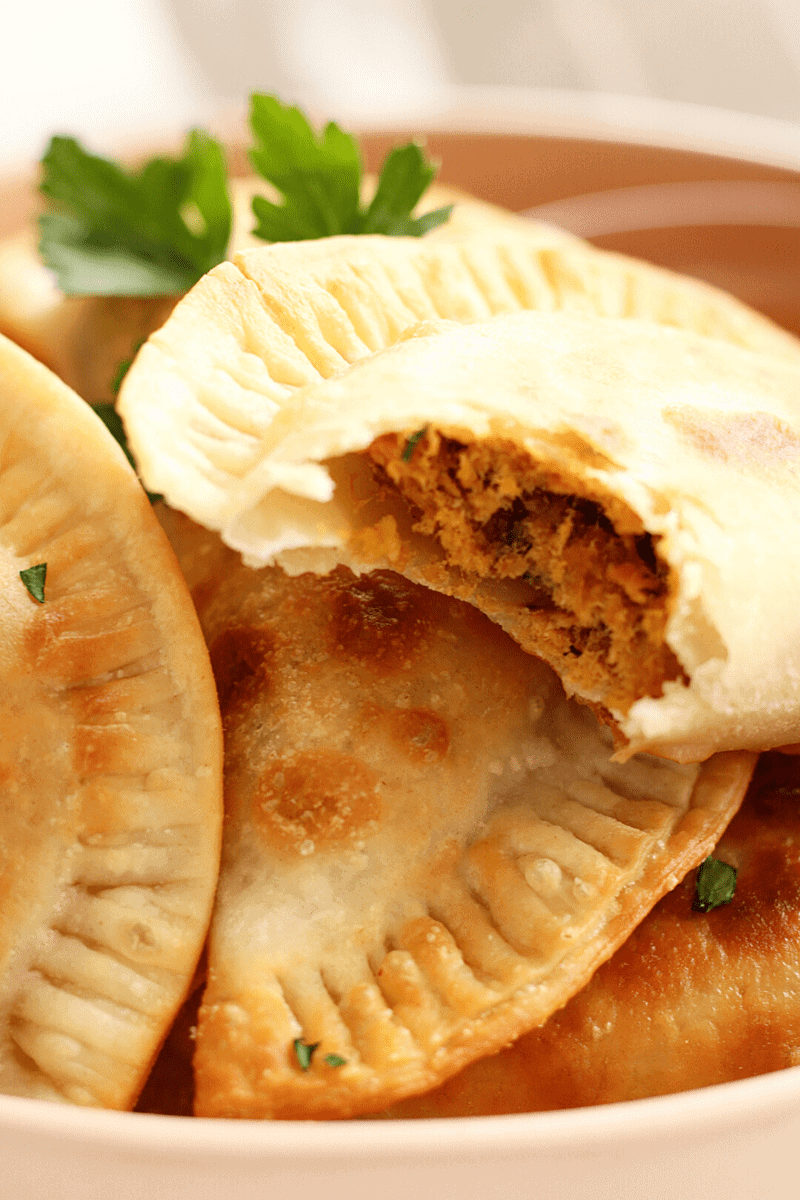 Pastels
 Tmar bil Jben
Key Flavors
fried
fish
dates
cheese
Masters of the Kitchen
The chefs who shaped Mauritanian cuisine
Mariem Mint Mohamed
Mauritanian chef and culinary advocate who has promoted traditional Mauritanian…
Click to read moreEssential Reading
The cookbooks that define Mauritanian cuisine
The Africa Cookbook: Tastes of a Contin…
The Africa Cookbook: Tastes of a Continent
A comprehensive reference covering cuisines across Africa including Mauritanian culinary traditions.
Explore All Dishes
2 authentic recipes from Mauritanian cuisine
Difficulty:
Time:
Sort:
Showing 2 of 2 dishes