🇲🇹
Maltese Cuisine
Mediterranean Crossroads
Europe
›
Europe
5
Dishes
5
Categories
Explore
Maltese cuisine is a sun-soaked blend of Sicilian, North African, and British influences. Rabbit, lampuki fish, and pastizzi define this small island's big culinary personality.
A Culinary Portrait
The heritage, flavors, and traditions of Maltese cuisine
Maltese cuisine is a Mediterranean crossroads in miniature, shaped by nearly every civilization that dominated the central Mediterranean over three millennia. The Phoenicians, Romans, Arabs, Normans, Knights of St. John, French, and British all left culinary fingerprints on this tiny archipelago. The Arab period (870-1091) had the most profound and lasting impact, introducing citrus fruits, cotton, cumin, sesame, and irrigation techniques that transformed Maltese agriculture.
The Semitic Maltese language itself, unique in Europe, reflects this Arab heritage. The Knights of St. John, who ruled Malta from 1530 to 1798, brought aristocratic European cooking traditions and recruited cooks from across the Mediterranean, creating a noble cuisine that blended Italian, French, and Spanish influences.
Sicilian proximity ensured ongoing exchange of pasta dishes, pastry techniques, and tomato-based cooking. British colonial rule (1800-1964) introduced tea culture, roast meat traditions, and certain baked goods. Yet beneath these layers, the Maltese kitchen maintained a distinctly local character built on seasonal ingredients from the limestone landscape: capers, sun-dried tomatoes, rabbit, fresh fish, local cheese (gbejniet), and the beloved ftira flatbread. Kunserva (sun-dried tomato paste concentrated to intense sweetness), capers (grown on the island walls and cliffs), gbejniet (small rounds of sheep or goat milk cheese), olive oil (produced locally for millennia), and bigilla (a broad bean paste seasoned with garlic and herbs).
The Semitic Maltese language itself, unique in Europe, reflects this Arab heritage. The Knights of St. John, who ruled Malta from 1530 to 1798, brought aristocratic European cooking traditions and recruited cooks from across the Mediterranean, creating a noble cuisine that blended Italian, French, and Spanish influences.
Sicilian proximity ensured ongoing exchange of pasta dishes, pastry techniques, and tomato-based cooking. British colonial rule (1800-1964) introduced tea culture, roast meat traditions, and certain baked goods. Yet beneath these layers, the Maltese kitchen maintained a distinctly local character built on seasonal ingredients from the limestone landscape: capers, sun-dried tomatoes, rabbit, fresh fish, local cheese (gbejniet), and the beloved ftira flatbread. Kunserva (sun-dried tomato paste concentrated to intense sweetness), capers (grown on the island walls and cliffs), gbejniet (small rounds of sheep or goat milk cheese), olive oil (produced locally for millennia), and bigilla (a broad bean paste seasoned with garlic and herbs).
 Helwa tat-Tork
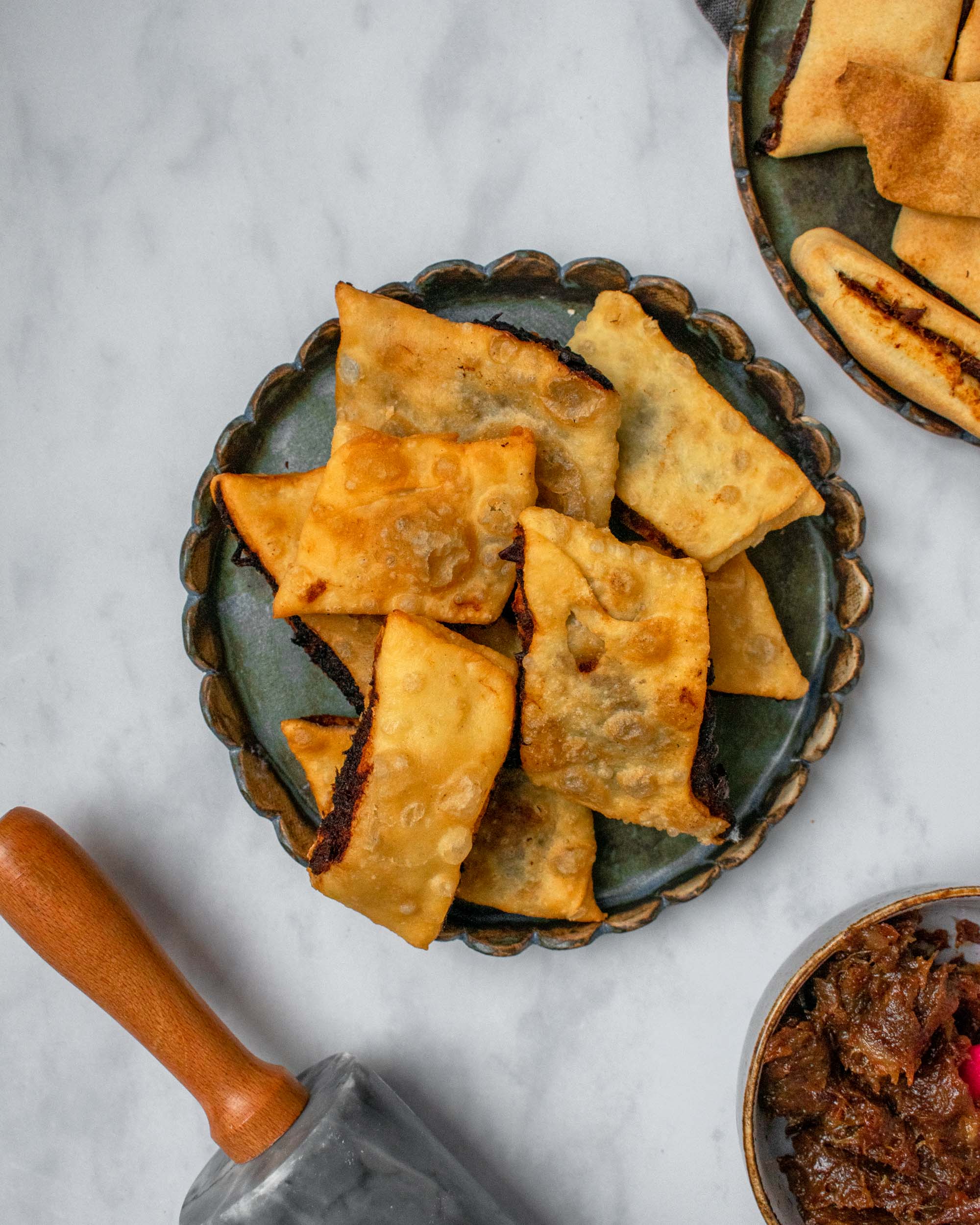 Imqaret
 Kannoli
Key Flavors
dessert
confection
dessert
fried
dessert
fried
dessert
Christmas
dessert
almond
Masters of the Kitchen
The chefs who shaped Maltese cuisine
Michael Diacono
Maltese chef and food writer who has championed traditional Maltese cuisine. He…
Click to read moreEssential Reading
The cookbooks that define Maltese cuisine
The Food and Cooking of Malta
The Food and Cooking of Malta
A comprehensive guide to Maltese cuisine featuring traditional recipes for rabbit stew, pastizzi, and other national di…
Explore All Dishes
5 authentic recipes from Maltese cuisine
Difficulty:
Time:
Sort:
Showing 5 of 5 dishes
Medium
📜 Story
Helwa tat-Tork
Maltese Halva
Festas and Christmas
Medium
📜 Story
Imqaret
Date Diamonds
Festas and celebrations
Hard
📜 Story
Kannoli
Maltese Cannoli
Festas and carnival Hard
📜 Story
Hard
📜 Story
Qaghaq tal-Ghasel
Honey Rings
Christmas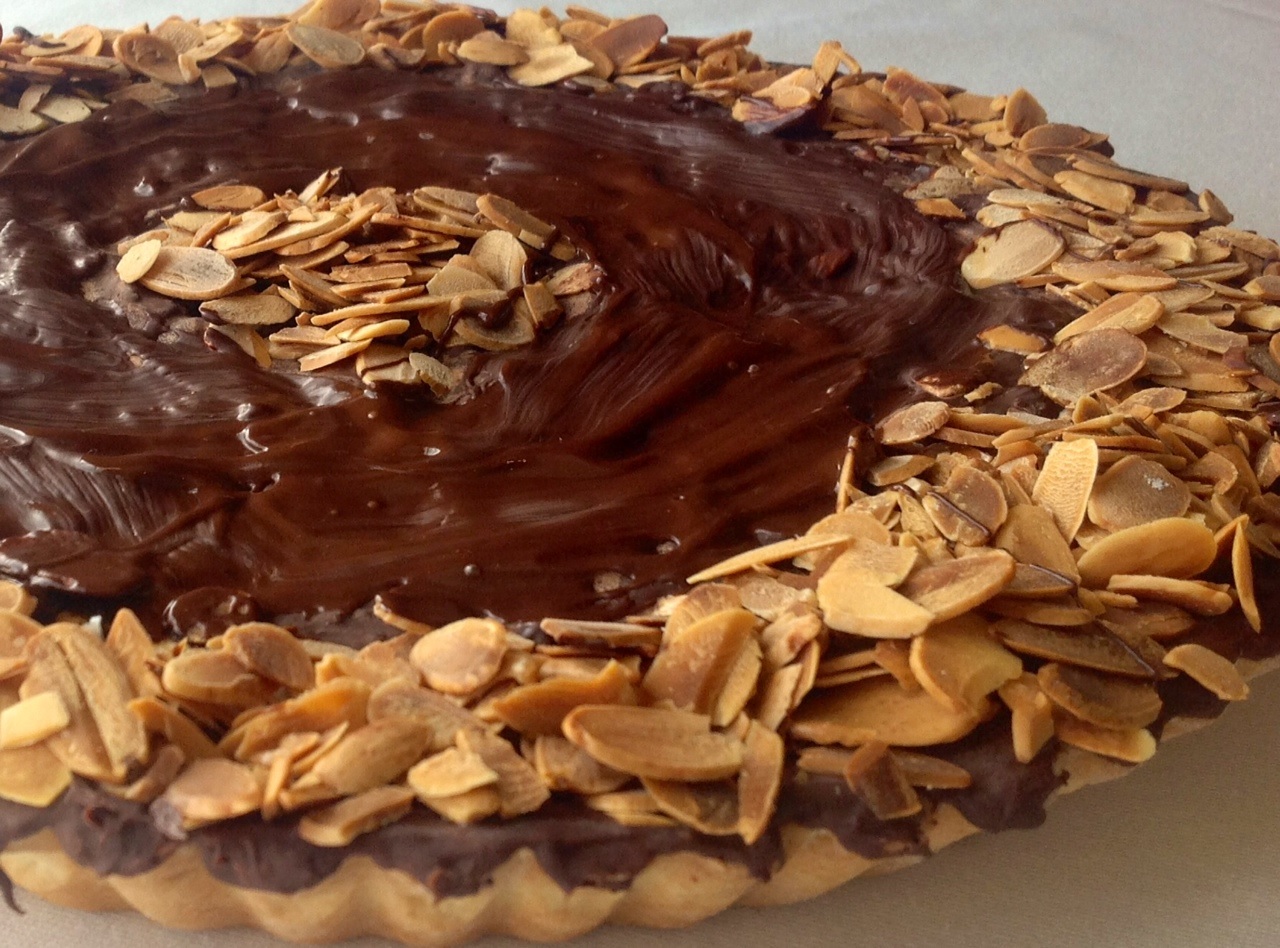 Medium
📜 Story
Medium
📜 Story
Torta tal-Marmurat
Almond Macaroon Tart
Tea time and festas