🇲🇼
Malawian Cuisine
The Warm Heart of Africa
Africa
›
Southern Africa
6
Dishes
5
Categories
Explore
Malawian cuisine is wholesome and lake-influenced, with nsima (maize porridge) at every meal and chambo fish from Lake Malawi as the prized protein.
A Culinary Portrait
The heritage, flavors, and traditions of Malawian cuisine
Malawian cuisine is the cooking of a landlocked southeastern African nation blessed with Lake Malawi, one of the continent's Great Lakes, which provides an extraordinary abundance of freshwater fish that distinguishes the national diet from its neighbors. The lake, known as the Lake of Stars, contains over a thousand species of cichlid fish and has shaped Malawian food culture for centuries. Agriculture centers on maize, which arrived via Portuguese traders in the sixteenth century and rapidly displaced millet and sorghum as the staple grain. The Chewa, Yao, Tumbuka, and other ethnic groups each contribute distinct culinary traditions united by the centrality of nsima (thick maize porridge).
Bantu agricultural traditions provide the foundation of Malawian cooking, with techniques for growing, processing, and cooking maize, beans, and leafy greens passed down through generations. Arab-Swahili trade networks along the lake introduced spices and certain preservation techniques. British colonial rule (1891-1964) had limited culinary impact beyond introducing tea cultivation, which has become an important crop in the southern highlands.
Indian traders brought curry spices and techniques visible in some urban preparations. The cuisine remains predominantly indigenous, with less foreign influence than many African food traditions. Maize flour (for nsima, the essential staple), chambo and other lake fish (the primary protein source), leafy greens (mustard greens, pumpkin leaves, amaranth), groundnuts (peanuts, used in sauces and as garnish), and dried fish (preserved through sun-drying for use during the rainy season).
Bantu agricultural traditions provide the foundation of Malawian cooking, with techniques for growing, processing, and cooking maize, beans, and leafy greens passed down through generations. Arab-Swahili trade networks along the lake introduced spices and certain preservation techniques. British colonial rule (1891-1964) had limited culinary impact beyond introducing tea cultivation, which has become an important crop in the southern highlands.
Indian traders brought curry spices and techniques visible in some urban preparations. The cuisine remains predominantly indigenous, with less foreign influence than many African food traditions. Maize flour (for nsima, the essential staple), chambo and other lake fish (the primary protein source), leafy greens (mustard greens, pumpkin leaves, amaranth), groundnuts (peanuts, used in sauces and as garnish), and dried fish (preserved through sun-drying for use during the rainy season).
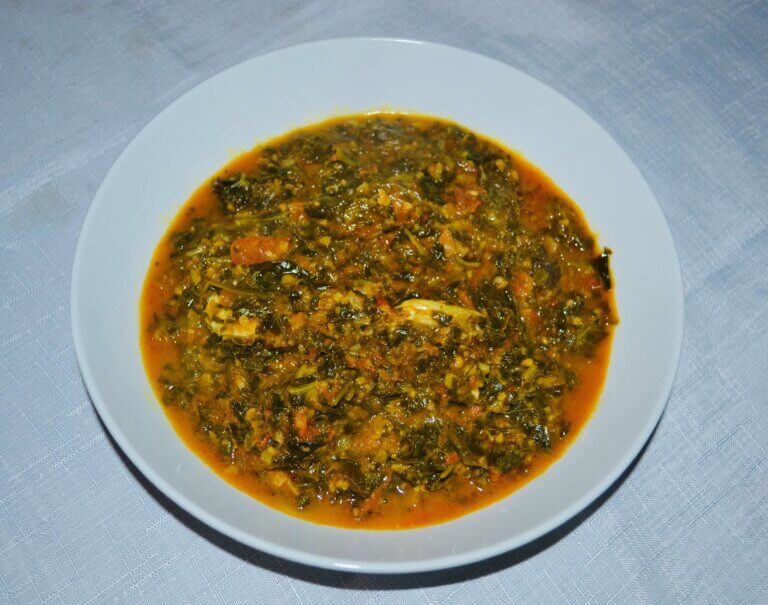 Bowa
Bowa
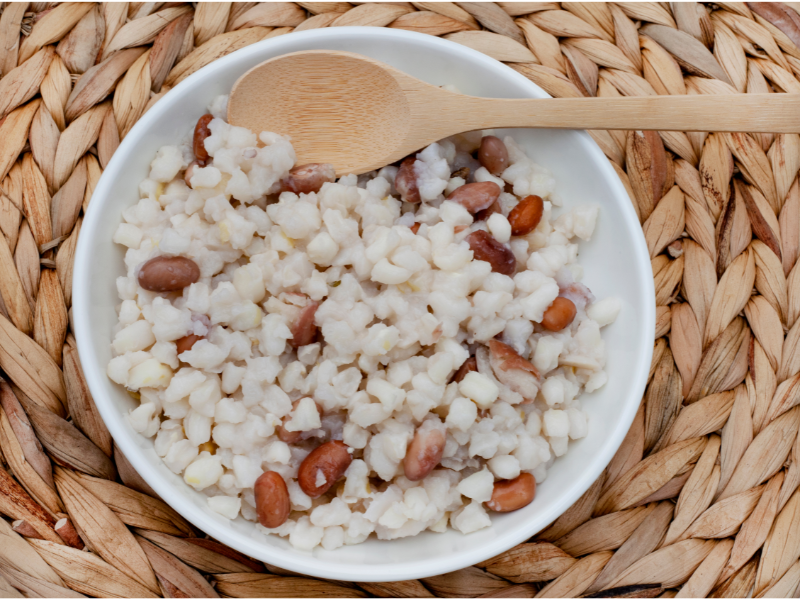 Chigumu
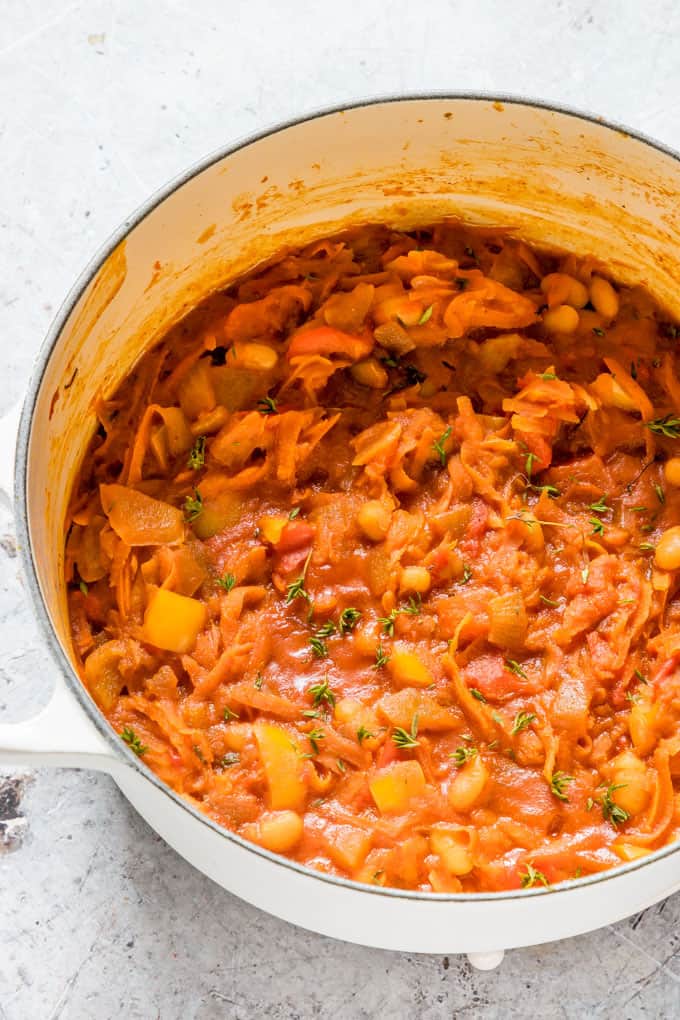 Kachumbari
Key Flavors
mushroom
foraged
boiled
cassava
salad
fresh
vegetable
greens
greens
wild
greens
groundnut
Masters of the Kitchen
The chefs who shaped Malawian cuisine
Agnes Mizere
Malawian chef and food entrepreneur who has promoted traditional Malawian cuisi…
Click to read moreEssential Reading
The cookbooks that define Malawian cuisine
Cooking the East African Way
Cooking the East African Way
A collection of East African recipes including Malawian dishes and cooking traditions.
Explore All Dishes
6 authentic recipes from Malawian cuisine
Difficulty:
Time:
Sort:
Showing 6 of 6 dishes