🇲🇬
Malagasy Cuisine
The Great Red Island
Africa
›
East Africa
3
Dishes
6
Categories
Explore
Malagasy cuisine blends Southeast Asian, African, and French influences. Rice is sacred, accompanying every meal alongside zebu stews, seafood, and vanilla-scented desserts.
A Culinary Portrait
The heritage, flavors, and traditions of Malagasy cuisine
Malagasy cuisine is one of the world's most fascinating culinary fusions, born from the extraordinary migration of Austronesian peoples who sailed across the Indian Ocean from Borneo and Indonesia approximately two thousand years ago, bringing rice cultivation, coconut usage, and Southeast Asian cooking techniques to the African island. This Austronesian foundation merged with East African, Arab, Indian, and later French colonial influences to create a cuisine unlike any other on the African continent. Rice is the absolute center of Malagasy food culture, eaten at every meal and so culturally important that the word for eating, mihinam-bary, literally means eating rice. The Austronesian settlers brought the rice paddy system that transformed Madagascar's highlands into terraced agricultural landscapes reminiscent of Southeast Asia.
Arab and Swahili traders along the coasts introduced spices, grilling techniques, and Islamic food customs. Indian merchants contributed curry preparations and lentil dishes. French colonization (1896-1960) added baguettes, pate, foie gras traditions, and French cooking techniques that merged with existing practices, particularly in urban areas.
Each of Madagascar's eighteen ethnic groups maintains distinct culinary traditions: the highland Merina favor mild, rice-centered meals, while coastal Sakalava and Antandroy cuisines are spicier and feature more seafood and zebu cattle. Rice (the non-negotiable center of every meal), vanilla (Madagascar produces the majority of the world's supply), zebu beef (from the island's iconic humped cattle), coconut milk (essential in coastal cooking), and ginger (used extensively in both savory and sweet preparations).
Arab and Swahili traders along the coasts introduced spices, grilling techniques, and Islamic food customs. Indian merchants contributed curry preparations and lentil dishes. French colonization (1896-1960) added baguettes, pate, foie gras traditions, and French cooking techniques that merged with existing practices, particularly in urban areas.
Each of Madagascar's eighteen ethnic groups maintains distinct culinary traditions: the highland Merina favor mild, rice-centered meals, while coastal Sakalava and Antandroy cuisines are spicier and feature more seafood and zebu cattle. Rice (the non-negotiable center of every meal), vanilla (Madagascar produces the majority of the world's supply), zebu beef (from the island's iconic humped cattle), coconut milk (essential in coastal cooking), and ginger (used extensively in both savory and sweet preparations).
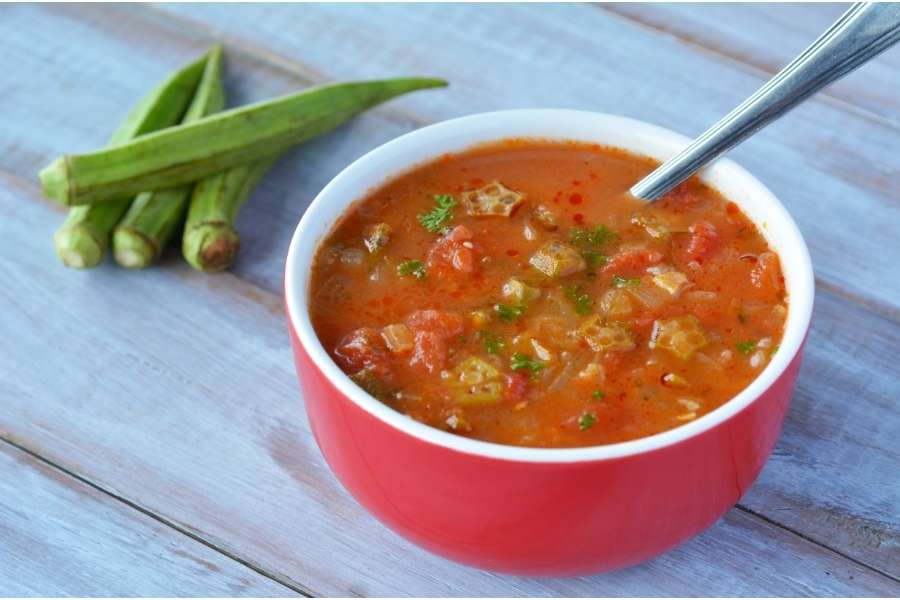 Lasopy
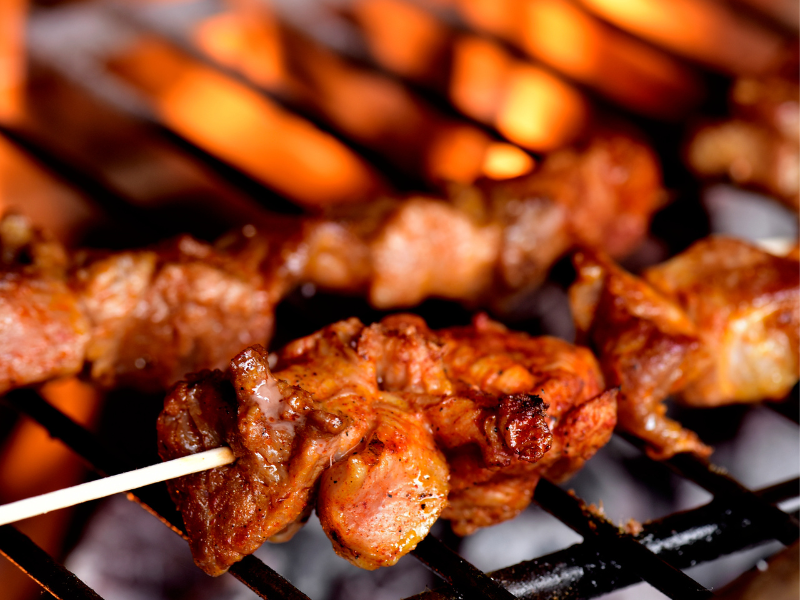 Masikita
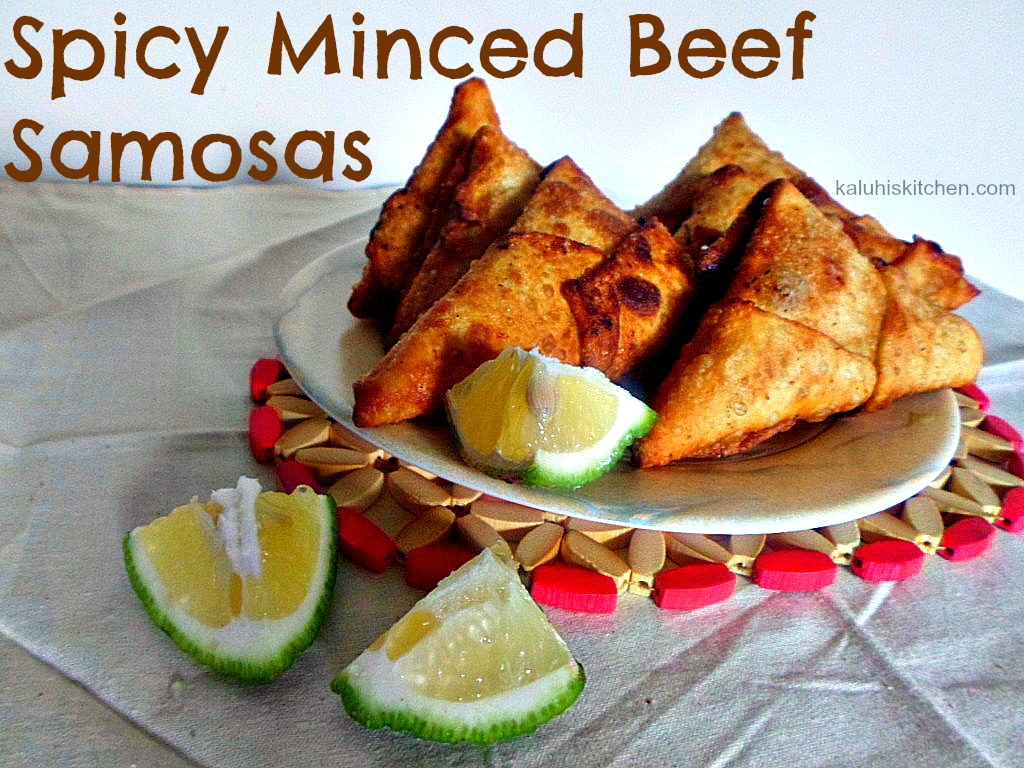 Sambosa
Key Flavors
soup
light
grilled
street food
fried
street food
Masters of the Kitchen
The chefs who shaped Malagasy cuisine
Lalaina Ravelomanana
Malagasy chef and culinary educator who has promoted traditional Malagasy cuisi…
Click to read moreEssential Reading
The cookbooks that define Malagasy cuisine
The Food of Madagascar
The Food of Madagascar
An exploration of Malagasy cuisine featuring recipes for romazava, ravitoto, and dishes using the island's famous vanil…
Explore All Dishes
3 authentic recipes from Malagasy cuisine
Difficulty:
Time:
Sort:
Showing 3 of 3 dishes