
🇱🇺
Luxembourgish Cuisine
Grand Duchy's Table
Europe
›
Europe
1
Dishes
5
Categories
Explore
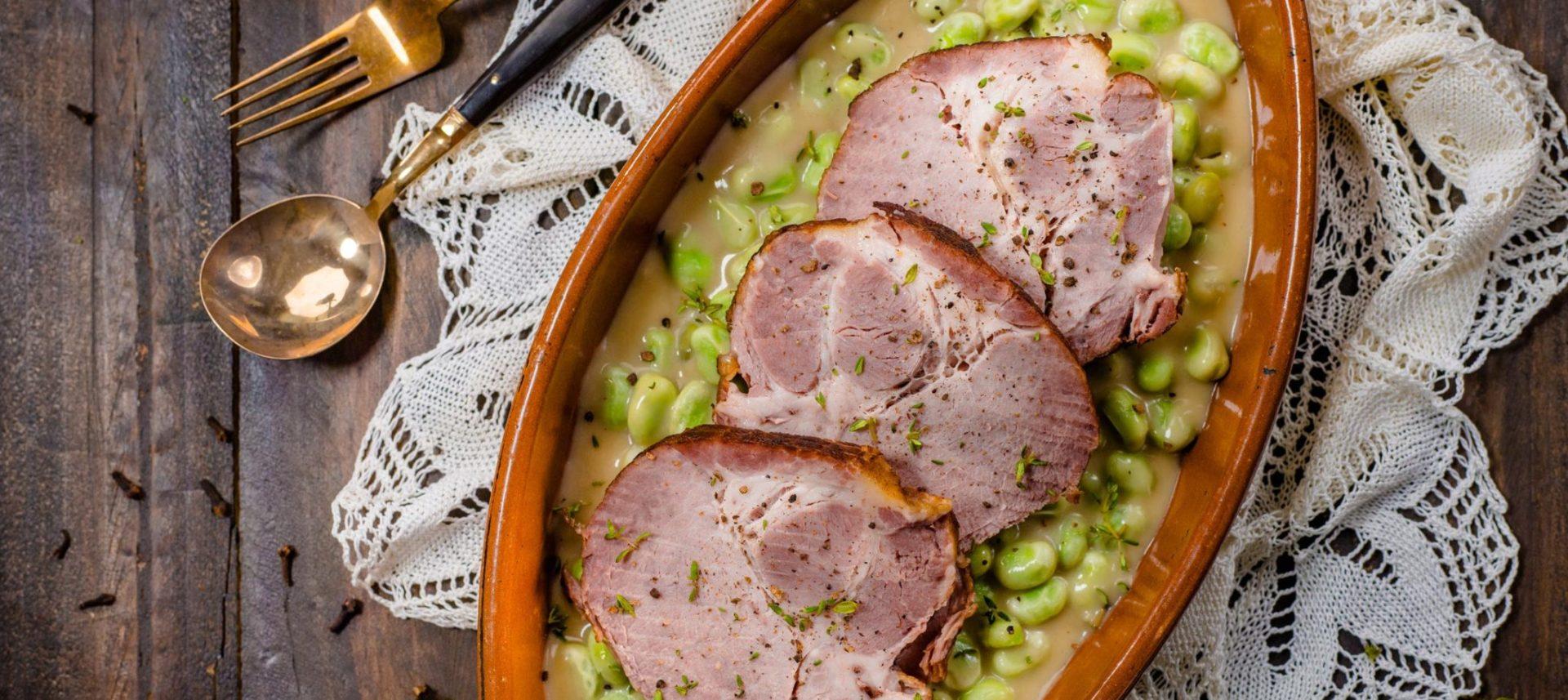
Luxembourgish cuisine reflects its position between France, Germany, and Belgium, with hearty dishes like Judd mat Gaardebounen and refined pastries.
A Culinary Portrait
The heritage, flavors, and traditions of Luxembourgish cuisine
Luxembourgish cuisine reflects the Grand Duchy's unique position at the crossroads of French, German, and Belgian culinary traditions, filtered through a small nation's farming heritage and forest-rich landscape. Despite being one of Europe's smallest countries, Luxembourg developed a distinctive food identity built on hearty, rustic preparations suited to the Ardennes climate: root vegetables, potatoes, beans, freshwater fish, and dairy form the traditional pantry. The Moselle River valley contributes a respected winemaking tradition, particularly for Riesling and cremant sparkling wines. French influence is evident in Luxembourg's appreciation for sauces, refined technique, and the structure of formal dining.
German traditions appear in the love of smoked meats, sausages, and beer culture. Belgian impact shows in the fondness for hearty stews and the importance of cafe culture. Yet Luxembourgish cooking is not merely derivative: dishes like Gromperekichelcher and Bouneschlupp belong to Luxembourg alone, born from the specific ingredients and climate of the Grand Duchy.
The country's prosperity in the modern era has created a vibrant restaurant scene, with Luxembourg City boasting one of Europe's highest concentrations of Michelin-starred restaurants per capita. Potatoes (the foundation of multiple national dishes), white beans (central to soups and stews), Moselle wine (used in cooking and drinking), cream and butter (the French influence on cooking fats), and smoked meats (reflecting Germanic preservation traditions).
German traditions appear in the love of smoked meats, sausages, and beer culture. Belgian impact shows in the fondness for hearty stews and the importance of cafe culture. Yet Luxembourgish cooking is not merely derivative: dishes like Gromperekichelcher and Bouneschlupp belong to Luxembourg alone, born from the specific ingredients and climate of the Grand Duchy.
The country's prosperity in the modern era has created a vibrant restaurant scene, with Luxembourg City boasting one of Europe's highest concentrations of Michelin-starred restaurants per capita. Potatoes (the foundation of multiple national dishes), white beans (central to soups and stews), Moselle wine (used in cooking and drinking), cream and butter (the French influence on cooking fats), and smoked meats (reflecting Germanic preservation traditions).
 Thüringer
Key Flavors
street food
grilled
Masters of the Kitchen
The chefs who shaped Luxembourgish cuisine
Lea Linster
Luxembourgish chef who won the Bocuse d'Or in 1989, the first and only woman to…
Click to read moreEssential Reading
The cookbooks that define Luxembourgish cuisine
Kachen: Luxembourg's Food Magazine Cook…
Kachen: Luxembourg's Food Magazine Cookbook
A collection of Luxembourgish recipes from the country's premier food publication, featuring judd mat gaardebounen and …
Explore All Dishes
1 authentic recipes from Luxembourgish cuisine
Difficulty:
Time:
Sort:
Showing 1 of 1 dishes