🇱🇹
Lithuanian Cuisine
Baltic Treasure
Europe
›
Europe
1
Dishes
6
Categories
Explore
Lithuanian cuisine is hearty Baltic fare featuring potato dishes, dark rye bread, dairy, and forest ingredients like mushrooms and berries that reflect a deep connection to the land.
A Culinary Portrait
The heritage, flavors, and traditions of Lithuanian cuisine
Lithuanian cuisine is rooted in the Baltic forests, lakes, and fertile plains that sustained one of Europe's last non-Christian civilizations. The ancient Lithuanians, who resisted Christianization until the fourteenth century, developed a food culture deeply connected to seasonal cycles, foraged ingredients, and the preservation techniques necessary to survive long, brutal winters. Rye bread, potatoes, dairy, beets, mushrooms, and freshwater fish form the pillars of the traditional diet, while the dense forests provided game, berries, honey, and herbs that shaped the flavor profile for centuries.
The Grand Duchy of Lithuania, which at its height stretched from the Baltic Sea to the Black Sea, absorbed culinary influences from Polish, Belarusian, and Ukrainian traditions. The Polish-Lithuanian Commonwealth (1569-1795) created a shared noble cuisine featuring elaborate meat dishes and French-influenced preparations, while peasant cooking maintained distinctly Lithuanian character.
Russian imperial rule brought borscht variations and buckwheat traditions, while German influence from the Prussian border regions contributed smoked meat and dumpling techniques. Jewish communities, who constituted a significant portion of Lithuanian cities for centuries, developed their own Lithuanian-Jewish cuisine including distinctive preparations of herring, onions, and rye bread. Potatoes (the foundation of Lithuanian cooking since the eighteenth century), rye flour (for the dense, dark bread that anchors every meal), sour cream (used as sauce, garnish, and cooking medium), dill (the defining herb of Baltic cuisine), and beets (used in soups, salads, and fermented preparations).
The Grand Duchy of Lithuania, which at its height stretched from the Baltic Sea to the Black Sea, absorbed culinary influences from Polish, Belarusian, and Ukrainian traditions. The Polish-Lithuanian Commonwealth (1569-1795) created a shared noble cuisine featuring elaborate meat dishes and French-influenced preparations, while peasant cooking maintained distinctly Lithuanian character.
Russian imperial rule brought borscht variations and buckwheat traditions, while German influence from the Prussian border regions contributed smoked meat and dumpling techniques. Jewish communities, who constituted a significant portion of Lithuanian cities for centuries, developed their own Lithuanian-Jewish cuisine including distinctive preparations of herring, onions, and rye bread. Potatoes (the foundation of Lithuanian cooking since the eighteenth century), rye flour (for the dense, dark bread that anchors every meal), sour cream (used as sauce, garnish, and cooking medium), dill (the defining herb of Baltic cuisine), and beets (used in soups, salads, and fermented preparations).
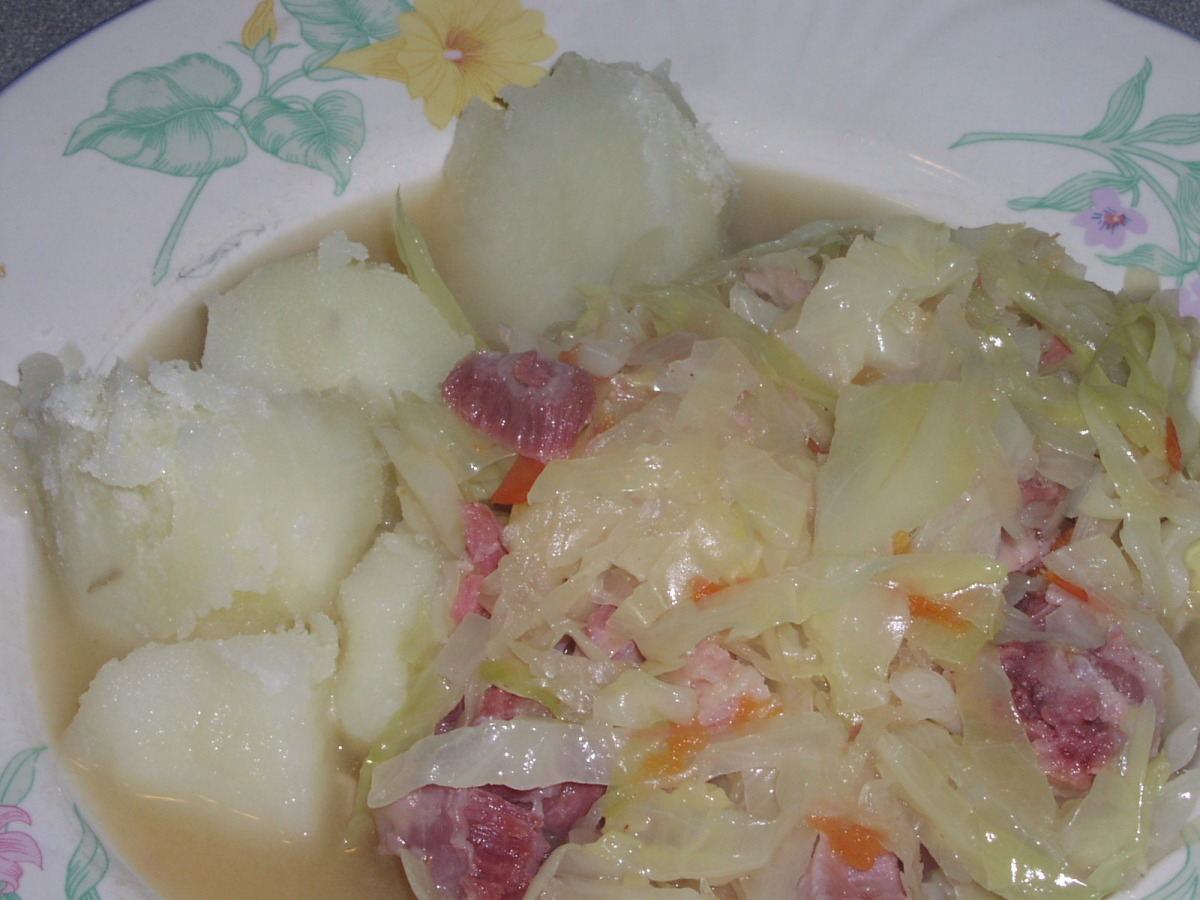 Kopustai su Grietine
Key Flavors
cabbage
side-dish
Masters of the Kitchen
The chefs who shaped Lithuanian cuisine
Deivydas Praspaliauskas
Lithuanian chef who has modernized traditional Lithuanian cuisine at leading Vi…
Click to read moreEssential Reading
The cookbooks that define Lithuanian cuisine
The Lithuanian Cookbook
The Lithuanian Cookbook
An authoritative collection of traditional Lithuanian recipes covering dumplings, soups, and festive dishes.
Explore All Dishes
1 authentic recipes from Lithuanian cuisine
Difficulty:
Time:
Sort:
Showing 1 of 1 dishes