🇱🇾
Libyan Cuisine
Desert Flavors, Coastal Soul
Africa
›
North Africa
1
Dishes
6
Categories
Explore
Libyan cuisine draws from Berber, Arab, and Mediterranean traditions. Hearty pasta dishes, spiced stews, and fragrant bazeen reflect a cuisine shaped by both desert and sea.
A Culinary Portrait
The heritage, flavors, and traditions of Libyan cuisine
Libyan cuisine is a Mediterranean-Saharan hybrid shaped by the Amazigh (Berber) peoples who have inhabited the region for millennia, the Arab tribes who arrived in the seventh century, and the Ottoman Turks who governed for nearly four centuries. The coastal cities of Tripoli and Benghazi draw heavily from Mediterranean traditions, featuring seafood, olive oil, tomatoes, and pasta introduced during the Italian colonial period (1911-1943), while the interior and southern regions maintain a desert cuisine built on dates, grains, preserved meats, and camel milk. The Amazigh foundation provides couscous, barley-based dishes, and the tradition of communal eating from a single large platter.
Arab influence brought spice culture, slow-braised lamb preparations, and the centrality of hospitality rituals around tea and coffee. Ottoman rule introduced stuffed vegetables, grilled meats, and layered pastries.
Italian colonization left a lasting imprint: Libyan sharba (soup) often features pasta, and bazeen is sometimes served alongside tomato-based sauces that echo Italian technique. Despite these layers, Libyan cooking retains a distinct identity rooted in simplicity, generosity, and respect for ingredients. Bzaar (a warm spice blend of turmeric, cinnamon, cardamom, and black pepper), harissa (fermented chili paste shared across the Maghreb), olive oil (produced abundantly in the western Nafusa Mountains), dried dates (a staple of Saharan communities), and preserved lemons (used in stews and salads).
Arab influence brought spice culture, slow-braised lamb preparations, and the centrality of hospitality rituals around tea and coffee. Ottoman rule introduced stuffed vegetables, grilled meats, and layered pastries.
Italian colonization left a lasting imprint: Libyan sharba (soup) often features pasta, and bazeen is sometimes served alongside tomato-based sauces that echo Italian technique. Despite these layers, Libyan cooking retains a distinct identity rooted in simplicity, generosity, and respect for ingredients. Bzaar (a warm spice blend of turmeric, cinnamon, cardamom, and black pepper), harissa (fermented chili paste shared across the Maghreb), olive oil (produced abundantly in the western Nafusa Mountains), dried dates (a staple of Saharan communities), and preserved lemons (used in stews and salads).
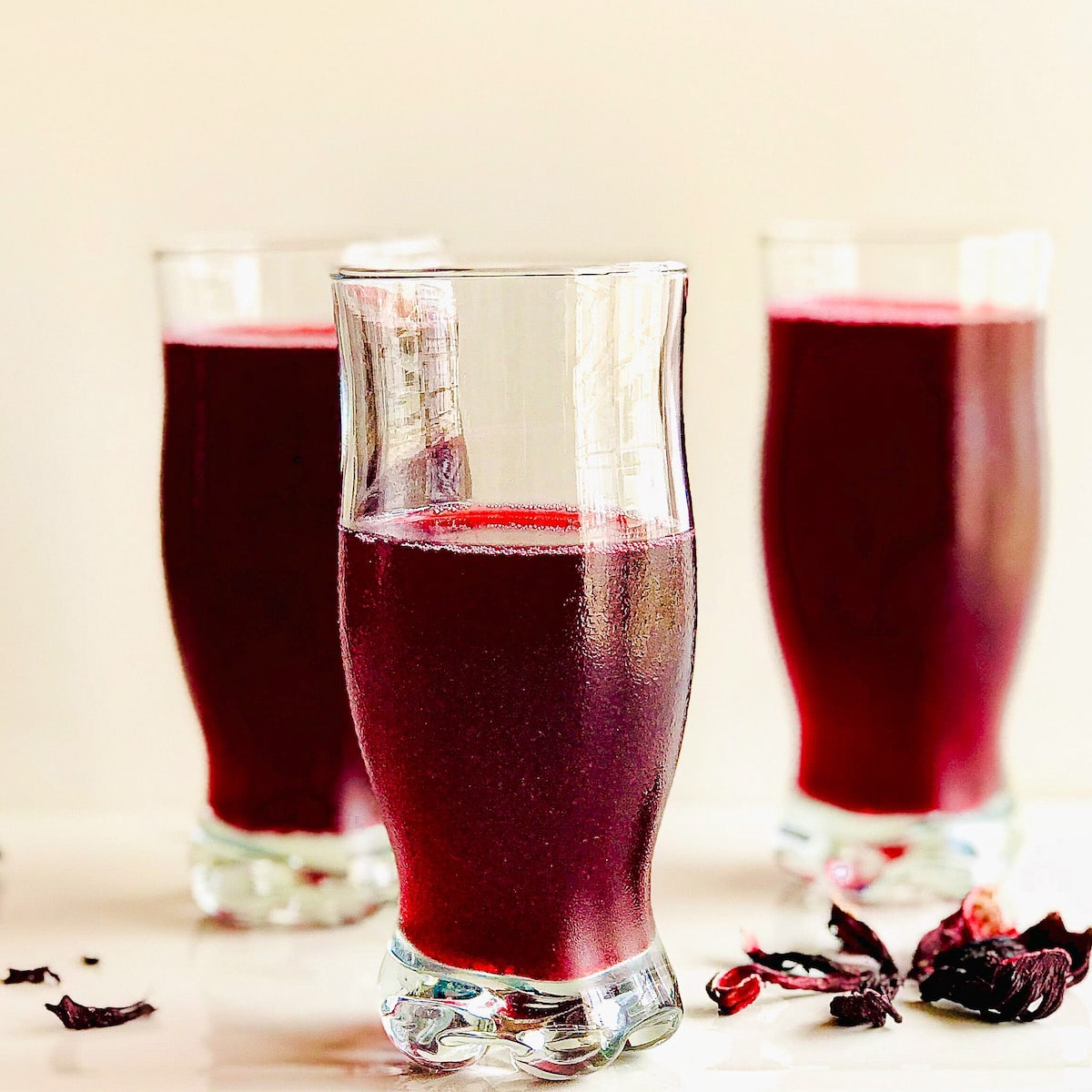 Shay Libi
Key Flavors
tea
drink
Masters of the Kitchen
The chefs who shaped Libyan cuisine
Osama El-Sayed
Libyan chef who has promoted North African and Libyan cuisine, specializing in …
Click to read moreEssential Reading
The cookbooks that define Libyan cuisine
The Libyan Kitchen
The Libyan Kitchen
A collection of traditional Libyan recipes featuring the country's distinctive North African and Mediterranean culinary…
Explore All Dishes
1 authentic recipes from Libyan cuisine
Difficulty:
Time:
Sort:
Showing 1 of 1 dishes