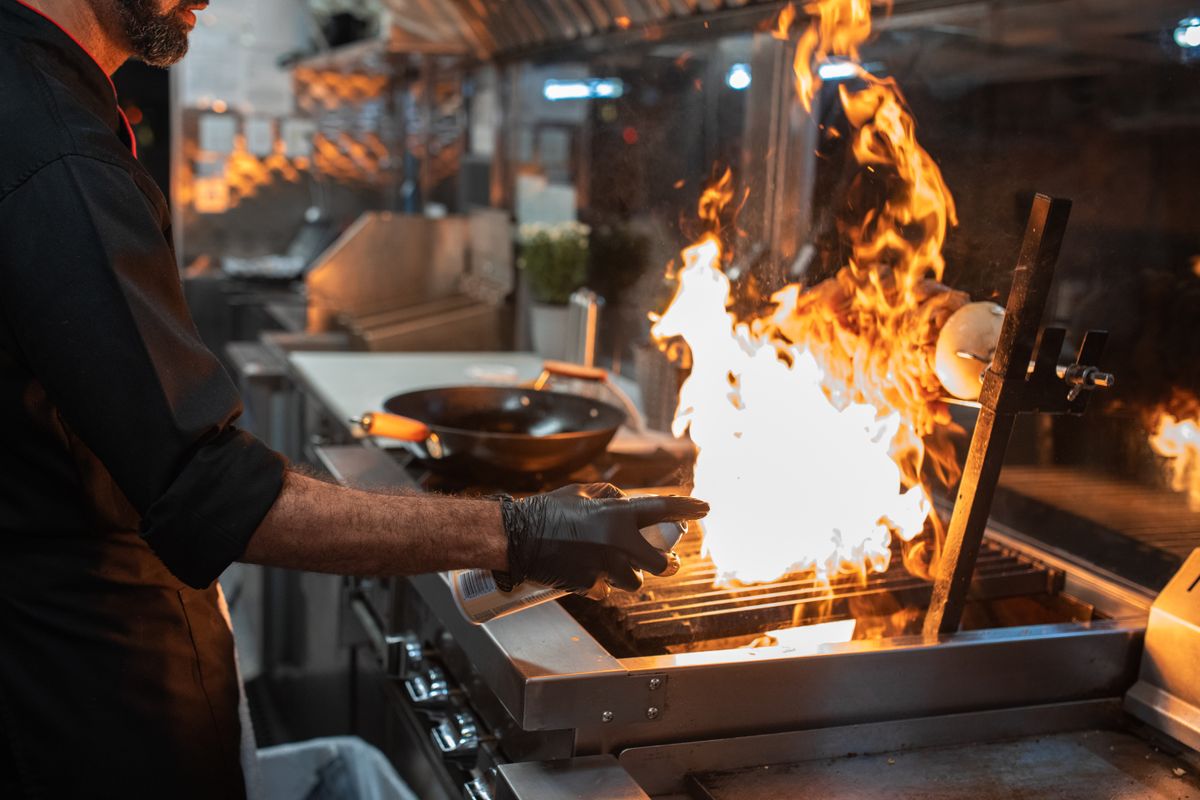
Lebanese Cuisine
The Jewel of the Levant
Lebanese cuisine is a celebration of fresh herbs, olive oil, and bold Mediterranean flavors. From smoky grilled meats to vibrant mezze spreads, every dish tells a story of communal dining and ancient culinary tradition.
A Culinary Portrait
The heritage, flavors, and traditions of Lebanese cuisine
The Arab conquest in the 7th century brought Islamic culinary traditions, including the sophisticated court cuisines documented in medieval Arabic cookbooks from Baghdad and Damascus. The Ottoman Empire (1516-1918) contributed kebabs, stuffed vegetables (mahshi), and the syrup-soaked pastries that define Lebanese sweets. French mandate rule (1920-1943) introduced baking techniques, cafe culture, and a sophistication in presentation that Lebanese cooks adopted and made their own. The result is a cuisine that feels both ancient and refined, rustic and elegant.
Lebanon's small size belies its geographic diversity: the Mediterranean coast provides fish and citrus; the fertile Bekaa Valley produces wine, grains, and vegetables; the Mount Lebanon range supports terraced agriculture of olive and fruit trees; and the arid northern plains grow wheat. Key ingredients include za'atar (a thyme-based herb blend), sumac, pomegranate molasses, tahini, bulgur wheat, and labneh (strained yogurt). The Lebanese diaspora, one of the world's largest relative to population, has spread this cuisine globally, making hummus, falafel, and tabbouleh household names worldwide. The concept of generosity (karam) is inseparable from Lebanese food culture: tables are always overloaded, and sending guests home with food is a point of honor.
### Masters of the Kitchen
- Kamal Mouzawak - Founder of Souk el Tayeb, Beirut's first farmers' market, and the Tawlet restaurant where different regional cooks share their traditions daily; a leading voice for preserving Lebanese food heritage and sustainable agriculture
- Yotam Ottolenghi - Israeli-British chef (of part-Lebanese heritage through his mother) whose bestselling cookbooks 'Jerusalem,' 'Plenty,' and 'Ottolenghi' revolutionized how the world cooks with Middle Eastern and Levantine ingredients; credited with making the world love vegetables
### Essential Reading
- The Lebanese Kitchen by Salma Hage (2012) - Over 500 authentic recipes from a home cook with 50 years of experience, organized by the seasons and rhythms of Lebanese family cooking
- Man'oushe: Inside the Street Corner Lebanese Bakery by Barbara Abdeni Massaad (2014) - A beautifully photographed exploration of Lebanon's beloved flatbread tradition and the culture surrounding it
 Ashta
Ashta
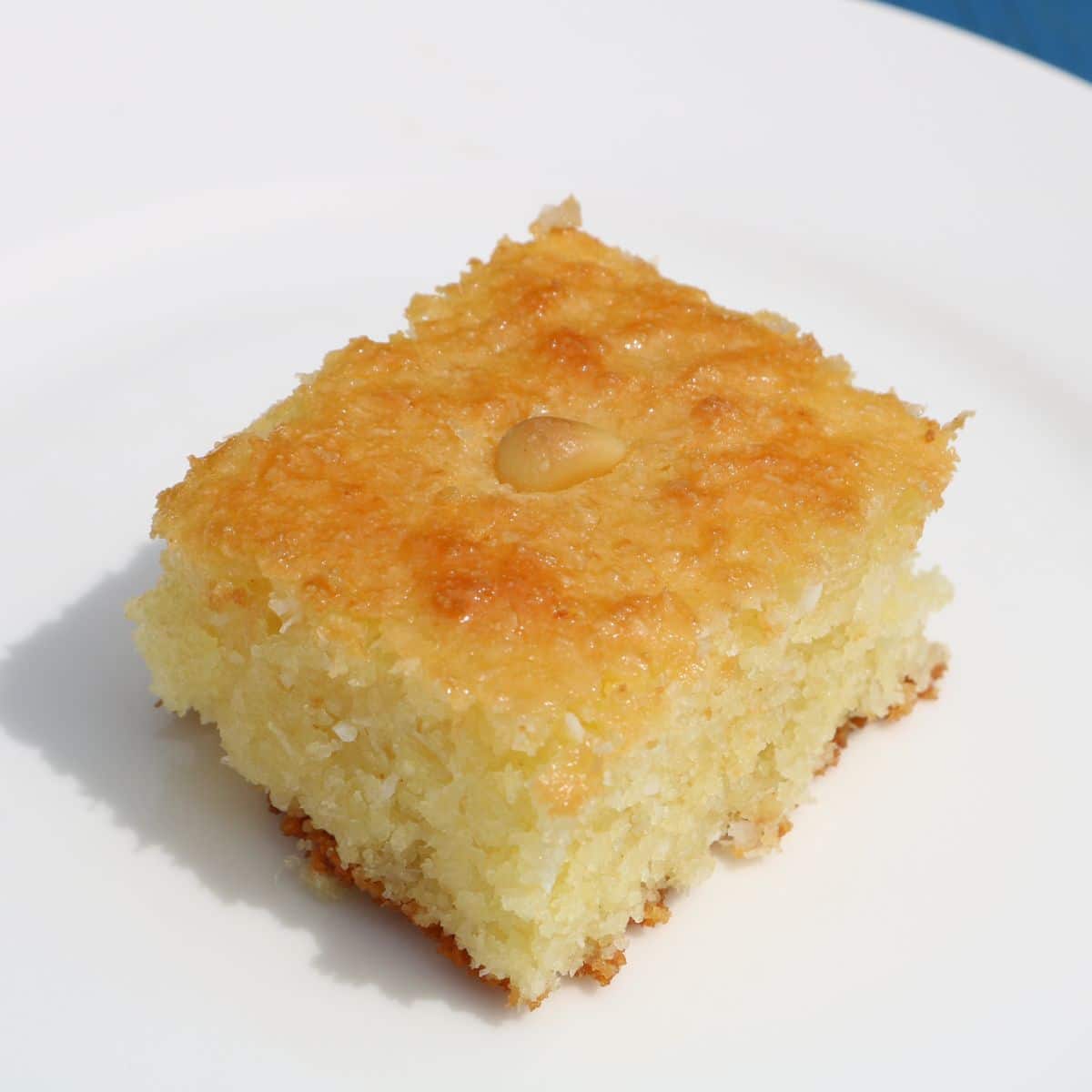 Namoura
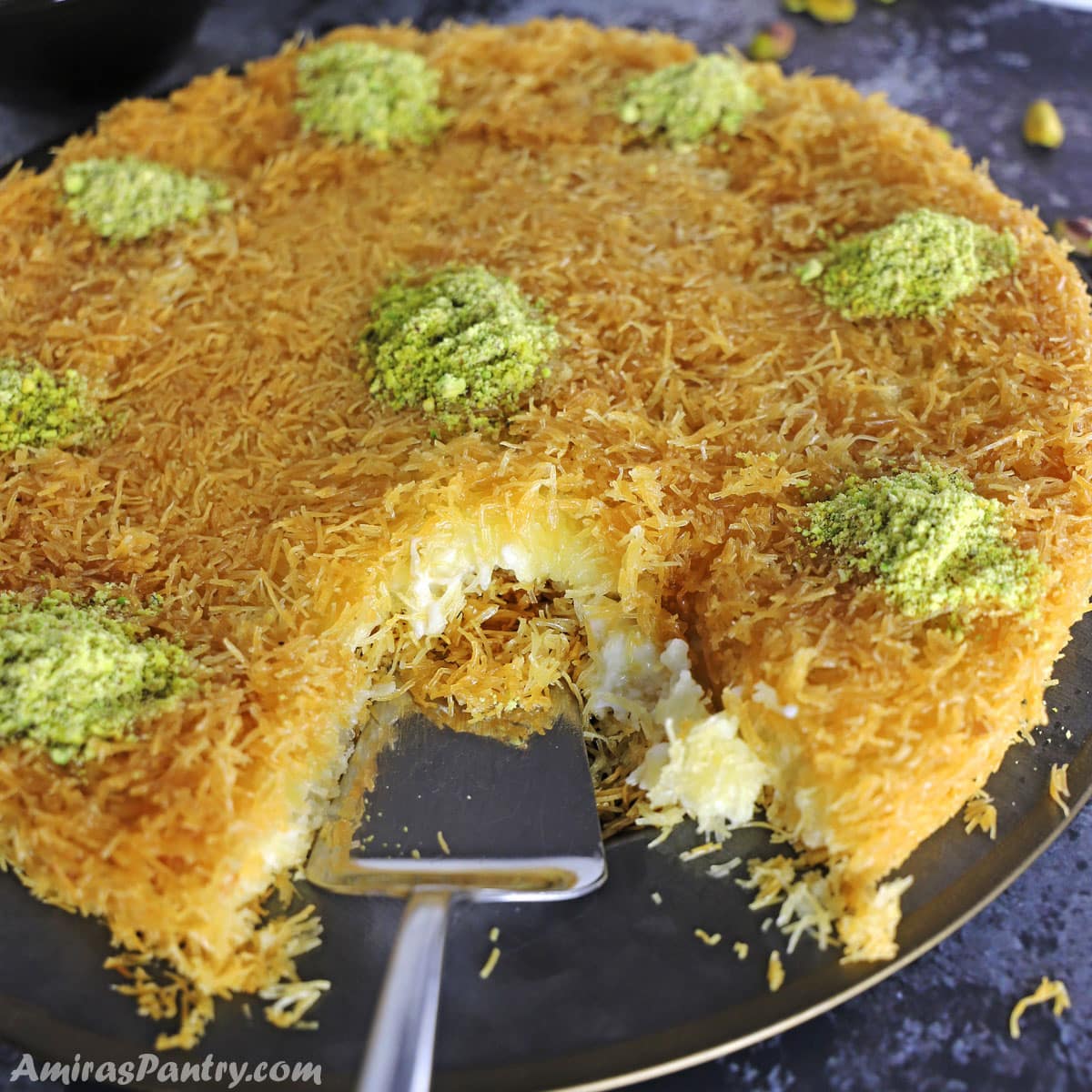 كنافة
كنافة
Key Flavors
Masters of the Kitchen
The chefs who shaped Lebanese cuisine
Yotam Ottolenghi
Israeli-British chef of Palestinian-Italian heritage whose London restaurants a…
Click to read moreKamal Mouzawak
Founder of Souk el Tayeb farmers market and Tawlet restaurant in Beirut, champi…
Click to read moreGreg Malouf
Lebanese-Australian chef who pioneered modern Middle Eastern fine dining, bring…
Click to read moreEssential Reading
The cookbooks that define Lebanese cuisine
The Lebanese Kitchen
A comprehensive Phaidon collection of over 500 authentic Lebanese recipes gathered from home cooks across Lebanon.
Man'oushe
A beautifully photographed exploration of Lebanon's beloved flatbread and the culture surrounding it.
Comptoir Libanais
A colorful celebration of Lebanese and Middle Eastern home cooking with accessible recipes for every meal.
Explore All Dishes
3 authentic recipes from Lebanese cuisine