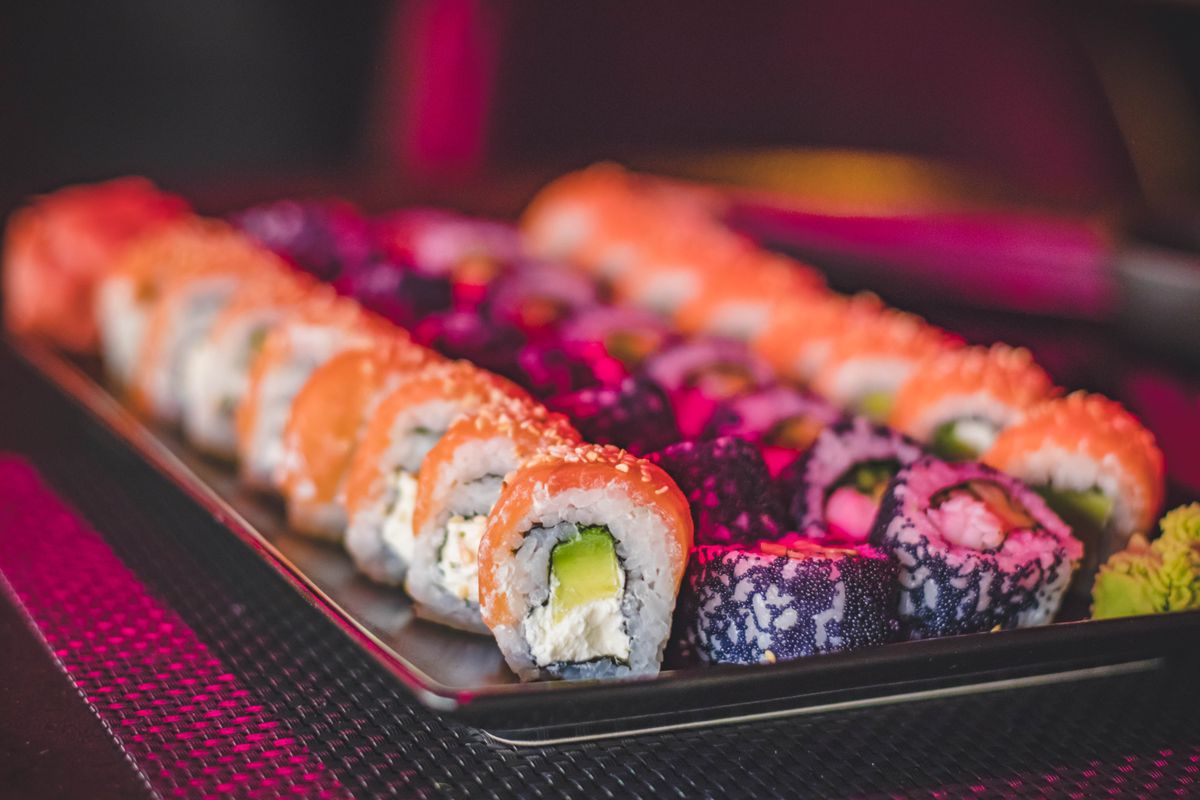
Japanese Cuisine
The Art of Simplicity
Japanese cuisine elevates simplicity to high art, where each ingredient speaks for itself. From the precise knife work of sushi masters to soul-warming ramen broth, washoku is a UNESCO cultural treasure.
A Culinary Portrait
The heritage, flavors, and traditions of Japanese cuisine
The Meiji Restoration of 1868 opened Japan to Western influences, giving rise to yoshoku, a category of Western-adapted dishes like curry rice and tonkatsu that are now considered quintessentially Japanese. Chinese immigration, particularly through the port of Yokoturkeya, introduced wheat noodle soups that would evolve into ramen, one of the nation's most beloved comfort foods. The post-World War II era saw the invention of instant noodles by Momofuku Ando in 1958, voted the greatest Japanese invention of the 20th century.
Regional diversity is vast: Hokkaido is famous for miso ramen and dairy, Osaka calls itself 'the nation's kitchen' and is the birthplace of okonomiyaki and takoyaki, Kyoto preserves the refined kaiseki tradition, and Kyushu is known for rich tonkotsu chicken bone broths. Geography shapes everything, from the kelp forests of the north that produce dashi stock to the wasabi-fed mountain streams of Shizuoka. With over 24,000 ramen shops nationwide and Tokyo holding the most Michelin stars of any city in the world, Japan's food culture is both deeply traditional and endlessly innovative.
### Masters of the Kitchen
- Jiro Ono - Legendary sushi master of Sukiyabashi Jiro in Ginza, Tokyo; first sushi chef to earn three Michelin stars (2007); subject of the documentary 'Jiro Dreams of Sushi'; still working past age 100
- Ivan Orkin - American-born ramen chef who earned respect in Tokyo's fiercely competitive ramen scene by opening his own shop in the city; known for blending Western culinary training with traditional Japanese ramen techniques
- Yoshihiro Narisawa - Chef-owner of Narisawa in Tokyo, consistently ranked among Asia's 50 Best Restaurants; pioneer of 'innovative satoyama cuisine' that highlights Japan's forests and ecosystems
### Essential Reading
- Japanese Soul Cooking by Tadashi Ono and Harris Salat (2013) - Over 100 recipes covering ramen, tonkatsu, okonomiyaki, and other comfort foods with fascinating origin stories
- Japanese Cooking: A Simple Art by Shizuo Tsuji (1980) - The definitive English-language guide to Japanese cuisine, written by the founder of Japan's most prestigious cooking school
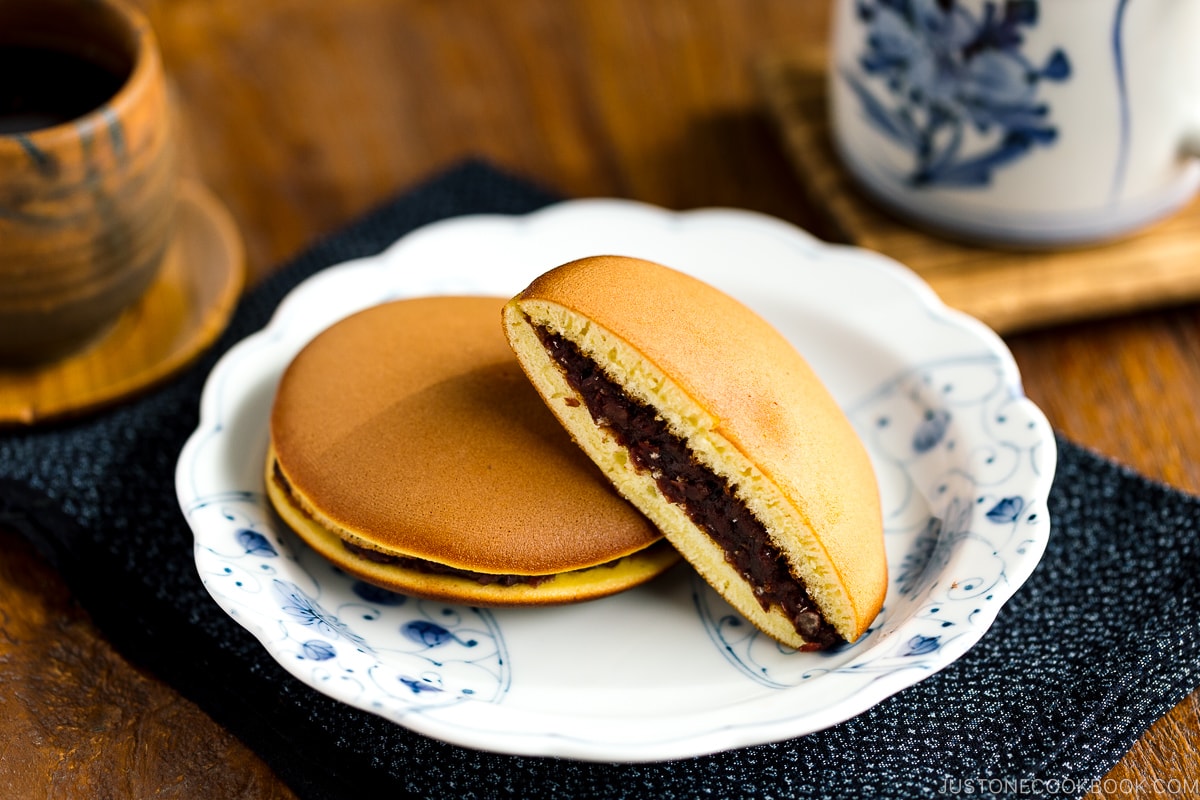 Dorayaki
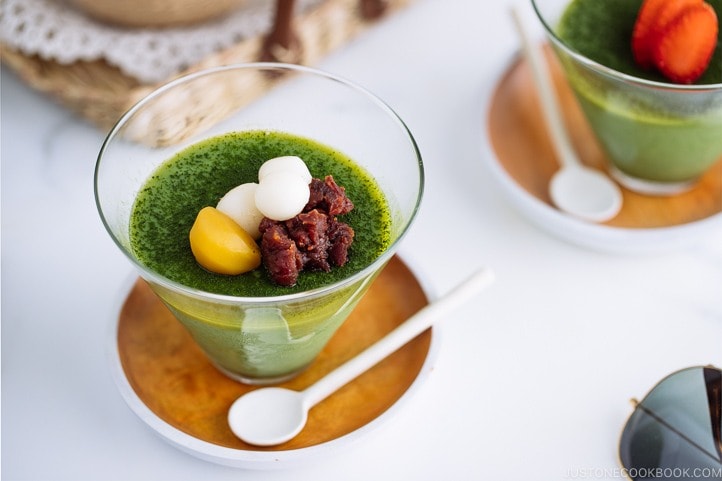 Matcha Panna Cotta
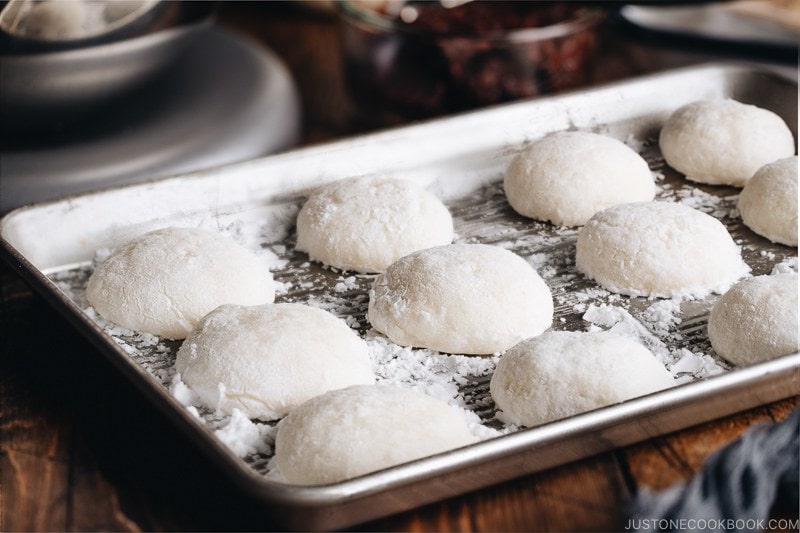 餅
餅
Key Flavors
Masters of the Kitchen
The chefs who shaped Japanese cuisine
Jiro Ono
The legendary sushi master of Sukiyabashi Jiro in Tokyo, subject of the documen…
Click to read moreNobu Matsuhisa
Pioneering chef who fused Japanese cuisine with Peruvian and Argentine flavors,…
Click to read moreYoshihiro Murata
Third-generation owner of Kikunoi in Kyoto, a champion of traditional kaiseki c…
Click to read moreEssential Reading
The cookbooks that define Japanese cuisine
Japanese Cooking: A Simple Art
The authoritative English-language guide to Japanese cuisine, covering philosophy, techniques, and over 220 recipes.
Washoku
A James Beard Award-winning exploration of Japanese home cooking organized by season, honoring the UNESCO-recognized wa…
The Japanese Kitchen
A comprehensive guide to 250 recipes covering the full spectrum of Japanese home cooking with detailed technique instru…
Explore All Dishes
3 authentic recipes from Japanese cuisine