
🇨🇮
Ivorian Cuisine
Heart of West Africa
Africa
›
West Africa
2
Dishes
4
Categories
Explore
Ivorian cuisine is vibrant and diverse, featuring attiéké (cassava couscous), alloco (fried plantains), and rich sauces that reflect the country's coastal and savanna heritage.
A Culinary Portrait
The heritage, flavors, and traditions of Ivorian cuisine
Ivorian cuisine reflects the extraordinary ethnic and geographic diversity of West Africa's most prosperous and cosmopolitan francophone nation. Over sixty ethnic groups, including the Baoule, Bete, Senoufo, Dan, and Dioula, contribute distinct culinary traditions shaped by the country's varied landscapes: dense tropical forest in the south, savanna in the north, and a fertile coastline along the Gulf of Guinea. The southern forest zone produces yams, plantains, cassava, and palm oil, while the northern savanna relies on millet, sorghum, and groundnuts. Cacao and coffee production, which made Cote d'Ivoire the world's largest cocoa producer, transformed the economy but also introduced plantation agriculture that influenced food culture.
French colonization from 1893 until independence in 1960 established baguette culture, French baking traditions, and cafe society that remain integral to Ivorian urban life. Lebanese and Syrian immigrant communities contributed grilled meats, mezze traditions, and flatbreads. Neighboring Ghanaian, Burkinabe, and Malian food cultures flow across borders through trade and migration.
Abidjan, the economic capital, is one of West Africa's most dynamic food cities, where French patisseries, Lebanese grills, street-food vendors, and traditional Ivorian restaurants create a vibrant culinary landscape. Attieke (fermented cassava couscous, uniquely Ivorian), palm oil (the foundational cooking fat), scotch bonnet peppers (essential heat), dried fish (smoked and fermented for seasoning), and plantains (fried, boiled, or mashed).
French colonization from 1893 until independence in 1960 established baguette culture, French baking traditions, and cafe society that remain integral to Ivorian urban life. Lebanese and Syrian immigrant communities contributed grilled meats, mezze traditions, and flatbreads. Neighboring Ghanaian, Burkinabe, and Malian food cultures flow across borders through trade and migration.
Abidjan, the economic capital, is one of West Africa's most dynamic food cities, where French patisseries, Lebanese grills, street-food vendors, and traditional Ivorian restaurants create a vibrant culinary landscape. Attieke (fermented cassava couscous, uniquely Ivorian), palm oil (the foundational cooking fat), scotch bonnet peppers (essential heat), dried fish (smoked and fermented for seasoning), and plantains (fried, boiled, or mashed).
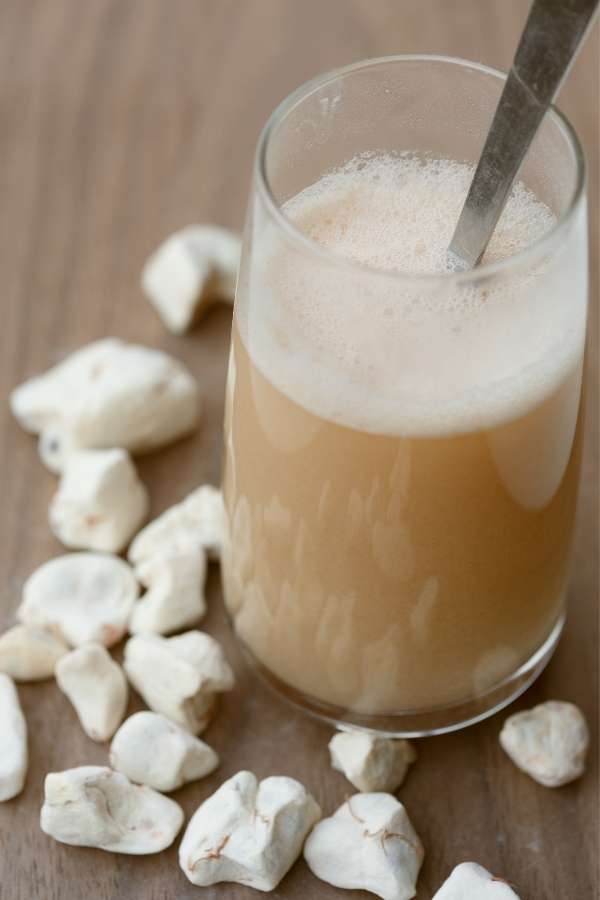 Bangui
 Gnamakoudji
Key Flavors
drink
fermented
drink
ginger
Masters of the Kitchen
The chefs who shaped Ivorian cuisine
Prissy Pii (Prisca Kouakou)
Ivorian chef and food blogger who has become one of Africa's most popular food …
Click to read moreEssential Reading
The cookbooks that define Ivorian cuisine
Simply West African
Simply West African
An exploration of West African cuisines including Ivorian culinary traditions, featuring accessible recipes and cultura…
Explore All Dishes
2 authentic recipes from Ivorian cuisine
Difficulty:
Time:
Sort:
Showing 2 of 2 dishes