Iranian/Persian Cuisine
Ancient Flavors, Timeless Elegance
Persian cuisine is a masterclass in balance — sweet and sour, fragrant and earthy. With roots stretching back thousands of years, Iranian cooking transforms simple ingredients into dishes of extraordinary complexity.
A Culinary Portrait
The heritage, flavors, and traditions of Iranian/Persian cuisine
Persian cuisine has absorbed and refined influences across centuries of conquest and commerce. Mongol and Timurid invasions brought Central Asian and Far Eastern culinary practices that merged with regional traditions. Arab conquests introduced Islamic dietary laws that shaped the cuisine's development. The Silk Road brought spices, dried fruits, and cooking methods from China and India.
Yet Persian cuisine maintained its distinctive identity: a refined balance of sweet and sour, the delicate use of saffron and rose water, the marriage of meat with fruits and nuts, and a subtlety of spicing that favors fragrance over heat. Persian hospitality (ta'arof) is legendary -- hosts will insist that guests eat well beyond fullness, and declining food is considered impolite. The Persian table is typically anchored by an elaborate rice dish (chelow or polow), accompanied by khoresh (stew), kebab, fresh herbs (sabzi khordan), yogurt, and pickles (torshi).
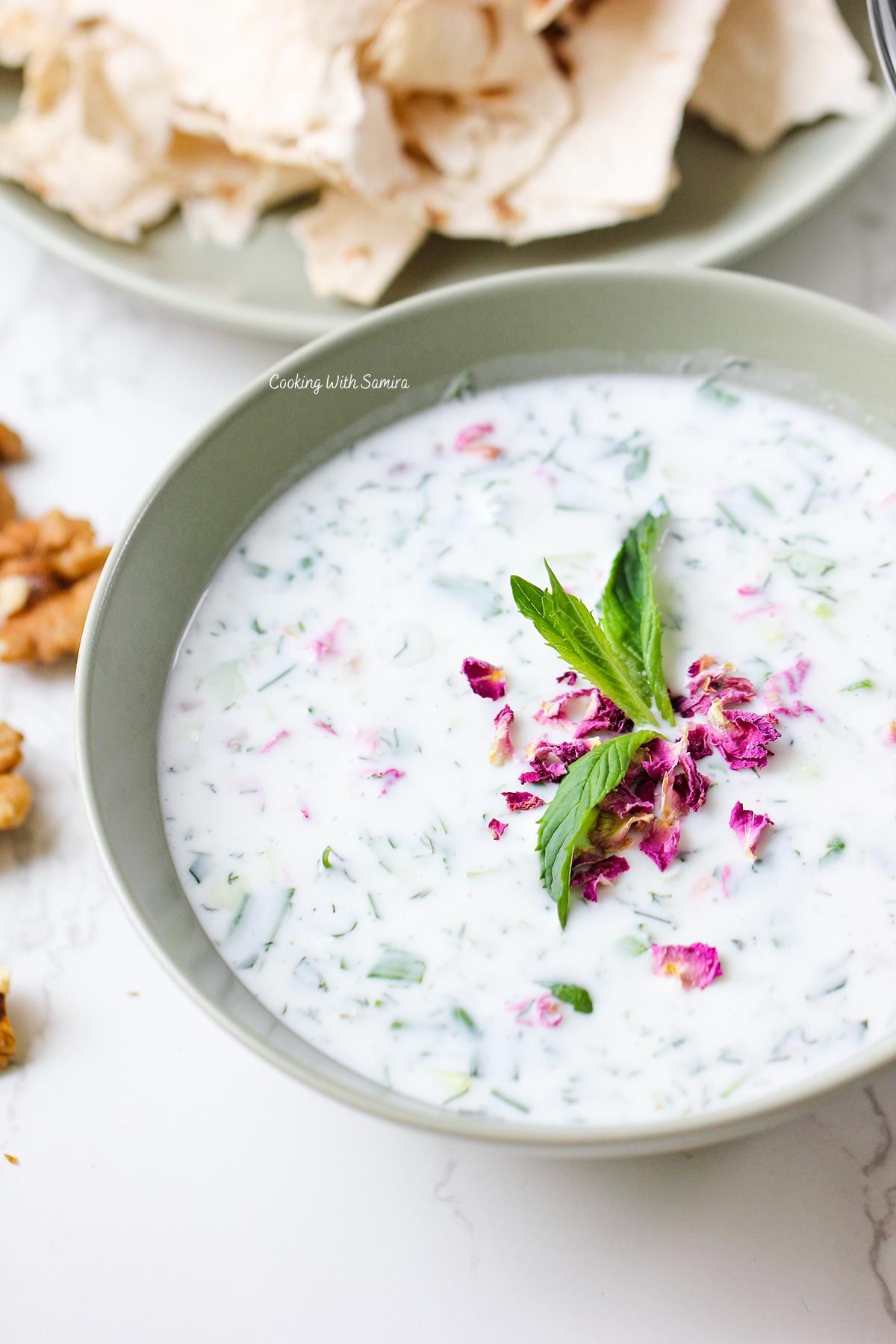 Ab Doogh Khiar
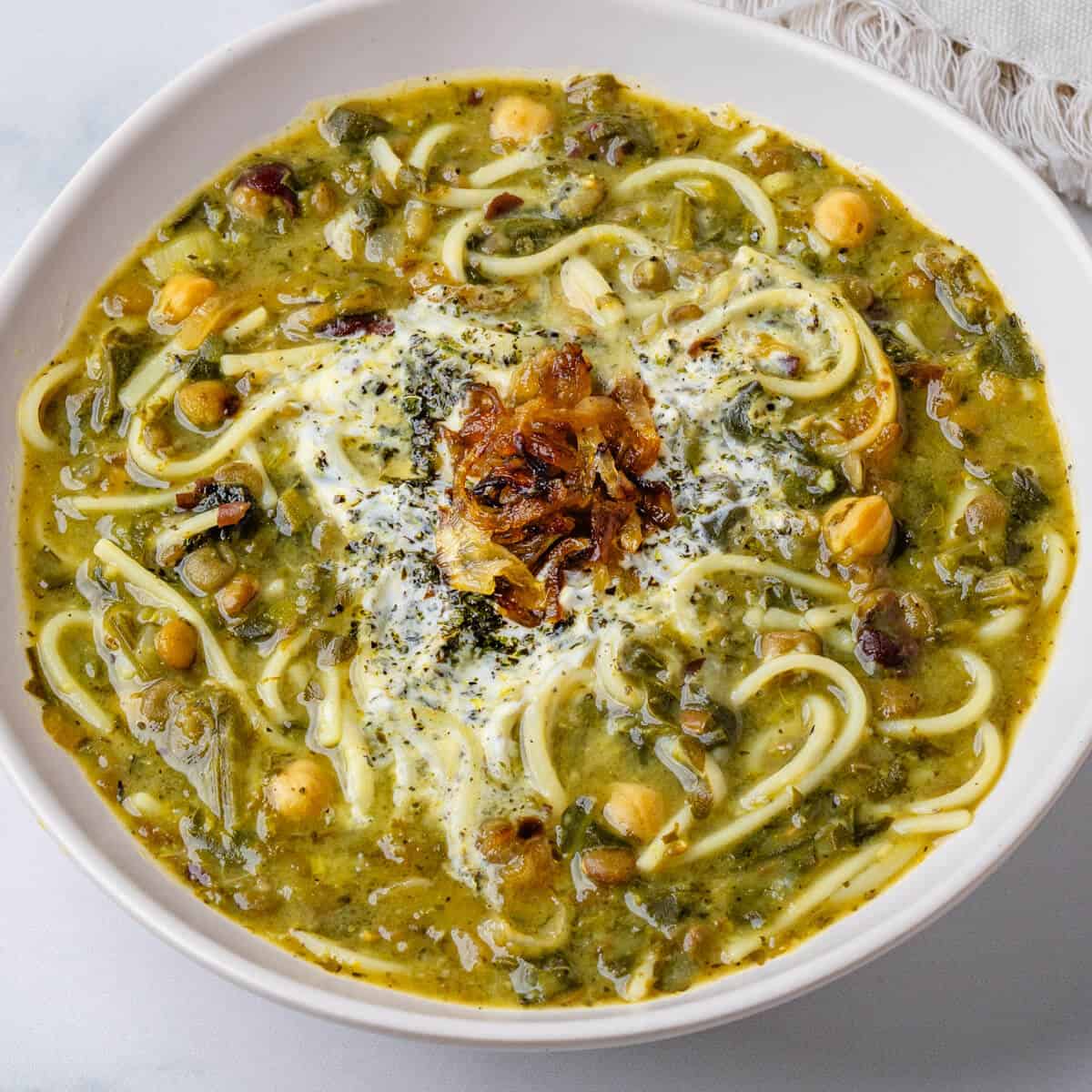 Ash Reshteh Norouz
Key Flavors
Masters of the Kitchen
The chefs who shaped Iranian/Persian cuisine
Najmieh Batmanglij
The leading authority on Persian cuisine in the English-speaking world, having …
Click to read moreSamin Nosrat
Iranian-American chef and author of Salt Fat Acid Heat, whose Netflix series br…
Click to read moreYasmin Khan
British-Iranian food writer whose cookbooks and travel writing explore Persian …
Click to read moreEssential Reading
The cookbooks that define Iranian/Persian cuisine
Food of Life: Ancient Persian and Modern Iranian Cooking
The definitive 600-page encyclopedia of Persian cuisine with over 330 recipes spanning 3,000 years of culinary history.
Persiana
A bestselling collection of over 100 vibrant, accessible recipes inspired by Persian and Middle Eastern flavors.
Saffron Tales
A journey through Iran's food culture combining travel memoir with 80 recipes from kitchens, bazaars, and restaurants.
Explore All Dishes
2 authentic recipes from Iranian/Persian cuisine