
🇮🇸
Icelandic Cuisine
Fire and Ice Kitchen
Europe
›
Europe
10
Dishes
6
Categories
Explore
Icelandic cuisine is shaped by volcanic isolation and Viking heritage. Lamb, seafood, skyr, and preserved foods reflect a people who thrived in one of Earth's harshest environments.
A Culinary Portrait
The heritage, flavors, and traditions of Icelandic cuisine
Icelandic cuisine is the most extreme expression of Norse survival cooking, developed over eleven centuries on a volcanic island just below the Arctic Circle where glaciers, lava fields, and long winters left almost no room for conventional agriculture. The Norse settlers who arrived in the ninth century brought sheep, cattle, and horses but found a landscape where only grass and a few hardy crops could grow. The resulting cuisine was built entirely on preservation: smoking, drying, fermenting, salting, and pickling became the essential techniques that allowed Icelanders to survive months of darkness and cold. Lamb, dairy, and the abundant fish of the North Atlantic became the dietary pillars.
Iceland's isolation limited external culinary influence more than almost anywhere in Europe. Danish colonial rule from the fourteenth century through independence in 1944 introduced some Continental European baking and cooking traditions, but the harsh environment ensured that traditional preservation methods endured out of necessity rather than nostalgia. The twentieth century brought modernization, imported foods, and the end of subsistence-level food insecurity.
The twenty-first century has seen a remarkable culinary renaissance, with Reykjavik emerging as an innovative food destination where chefs celebrate Iceland's pristine ingredients: wild Arctic char, lamb raised on mountain herbs, foraged berries, and geothermally grown vegetables. Skyr (the thick cultured dairy product that is neither yogurt nor cheese), dried fish (hardfiskur, the Icelandic staple for centuries), lamb (the most important meat, flavored by wild mountain herbs), rye bread (baked slowly underground using geothermal heat), and Arctic herbs (wild thyme, angelica, and birch).
Iceland's isolation limited external culinary influence more than almost anywhere in Europe. Danish colonial rule from the fourteenth century through independence in 1944 introduced some Continental European baking and cooking traditions, but the harsh environment ensured that traditional preservation methods endured out of necessity rather than nostalgia. The twentieth century brought modernization, imported foods, and the end of subsistence-level food insecurity.
The twenty-first century has seen a remarkable culinary renaissance, with Reykjavik emerging as an innovative food destination where chefs celebrate Iceland's pristine ingredients: wild Arctic char, lamb raised on mountain herbs, foraged berries, and geothermally grown vegetables. Skyr (the thick cultured dairy product that is neither yogurt nor cheese), dried fish (hardfiskur, the Icelandic staple for centuries), lamb (the most important meat, flavored by wild mountain herbs), rye bread (baked slowly underground using geothermal heat), and Arctic herbs (wild thyme, angelica, and birch).
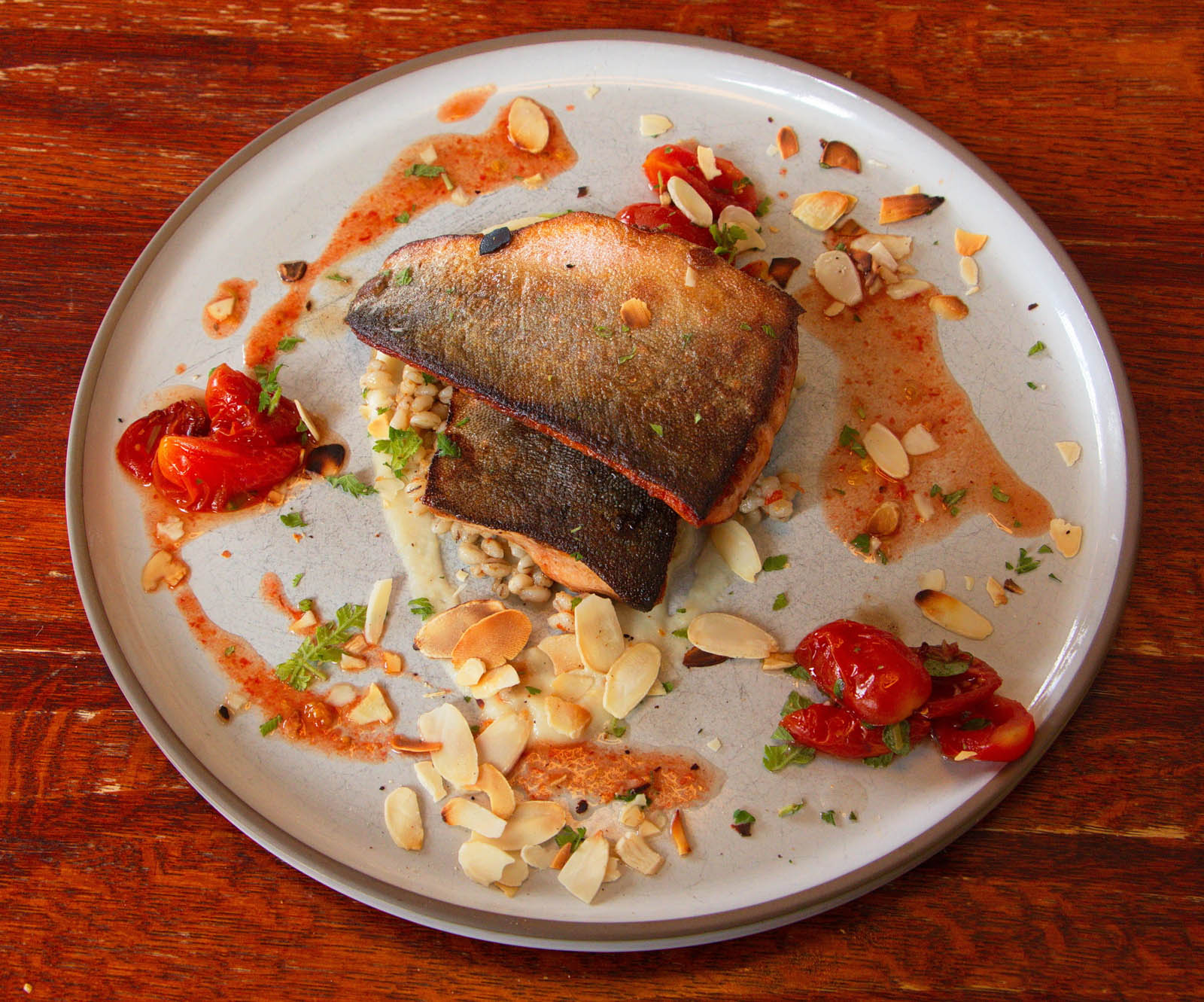 Bleikja
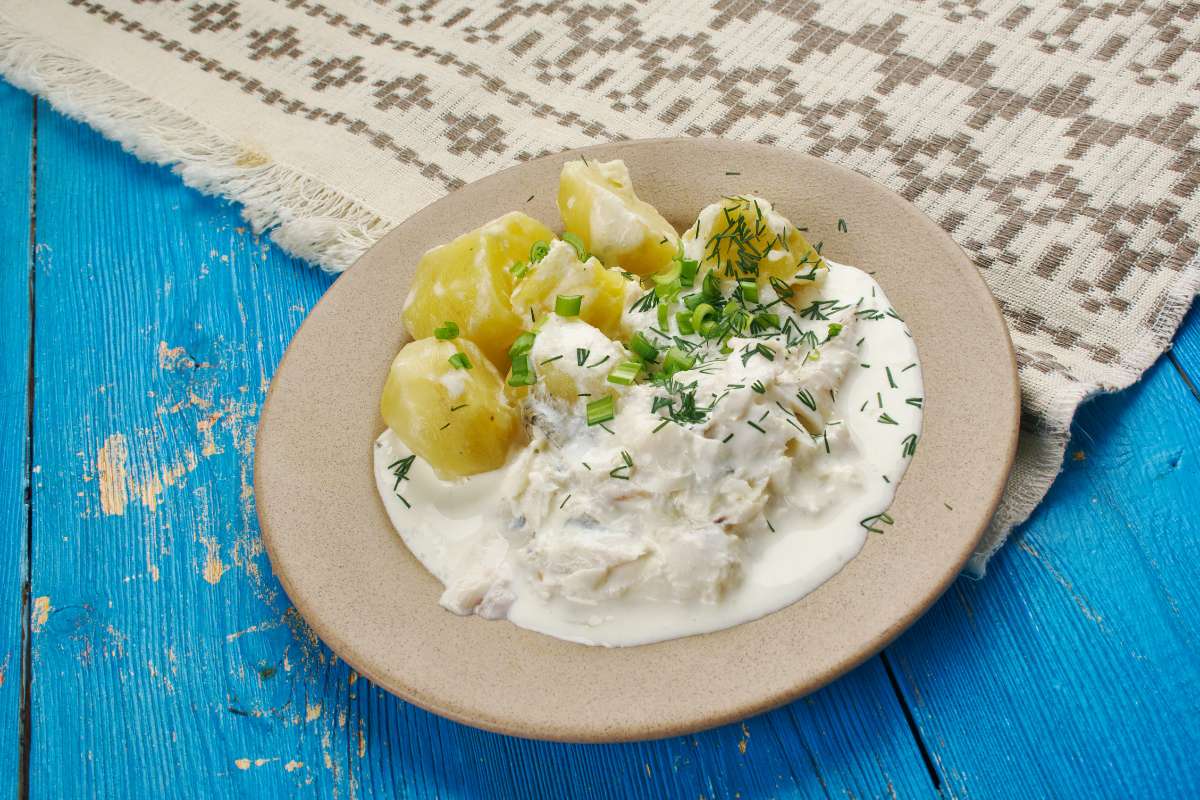 Fiskibollur
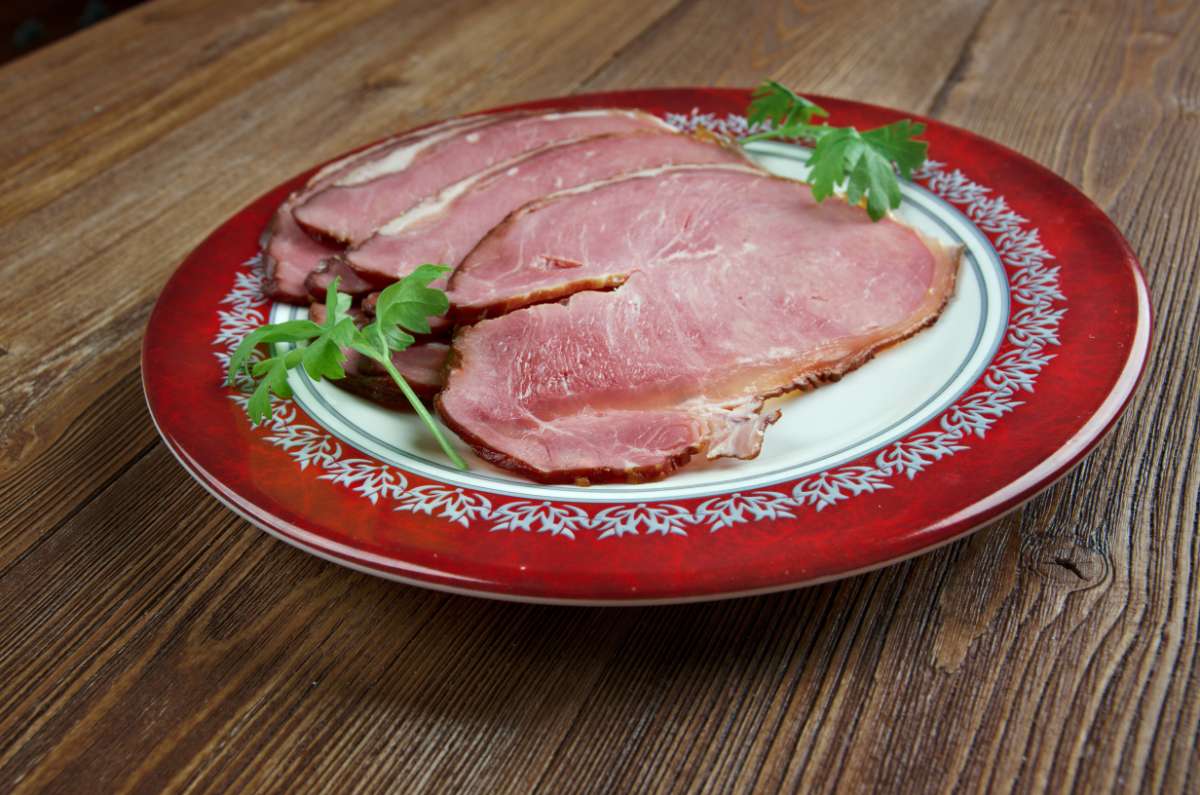 Hangikjöt
Key Flavors
fish
Arctic char
fish
cod
smoked
lamb
soup
lamb
lamb
roast
fish
comfort food
Masters of the Kitchen
The chefs who shaped Icelandic cuisine
Gunnar Karl Gislason
Iceland's most acclaimed chef, founder of Dill, Reykjavik's first and only Mich…
Click to read moreEssential Reading
The cookbooks that define Icelandic cuisine
North: The New Nordic Cuisine of Iceland
North: The New Nordic Cuisine of Iceland
A landmark cookbook celebrating Iceland's culinary renaissance through recipes that showcase the country's unique ingre…
Explore All Dishes
10 authentic recipes from Icelandic cuisine
Difficulty:
Time:
Sort:
Showing 10 of 10 dishes
Medium
📜 Story
Bleikja
Arctic Char
Dinner, special occasions
Medium
📜 Story
Fiskibollur
Fish Balls
Weeknight dinner
Hard
📜 Story
Hangikjöt
Smoked Lamb
Christmas and Þorrablót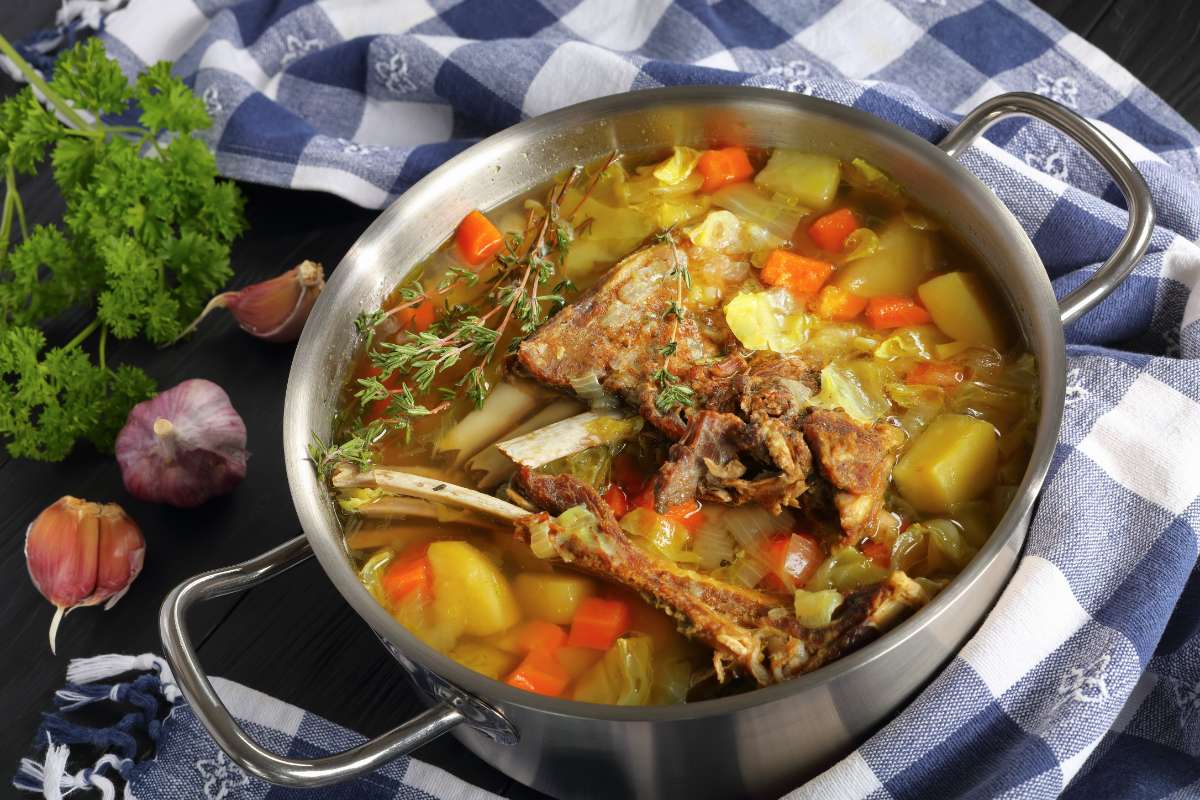 Easy
📜 Story
Easy
📜 Story
Kjötsúpa
Icelandic Lamb Soup
Sunday lunch, winter meals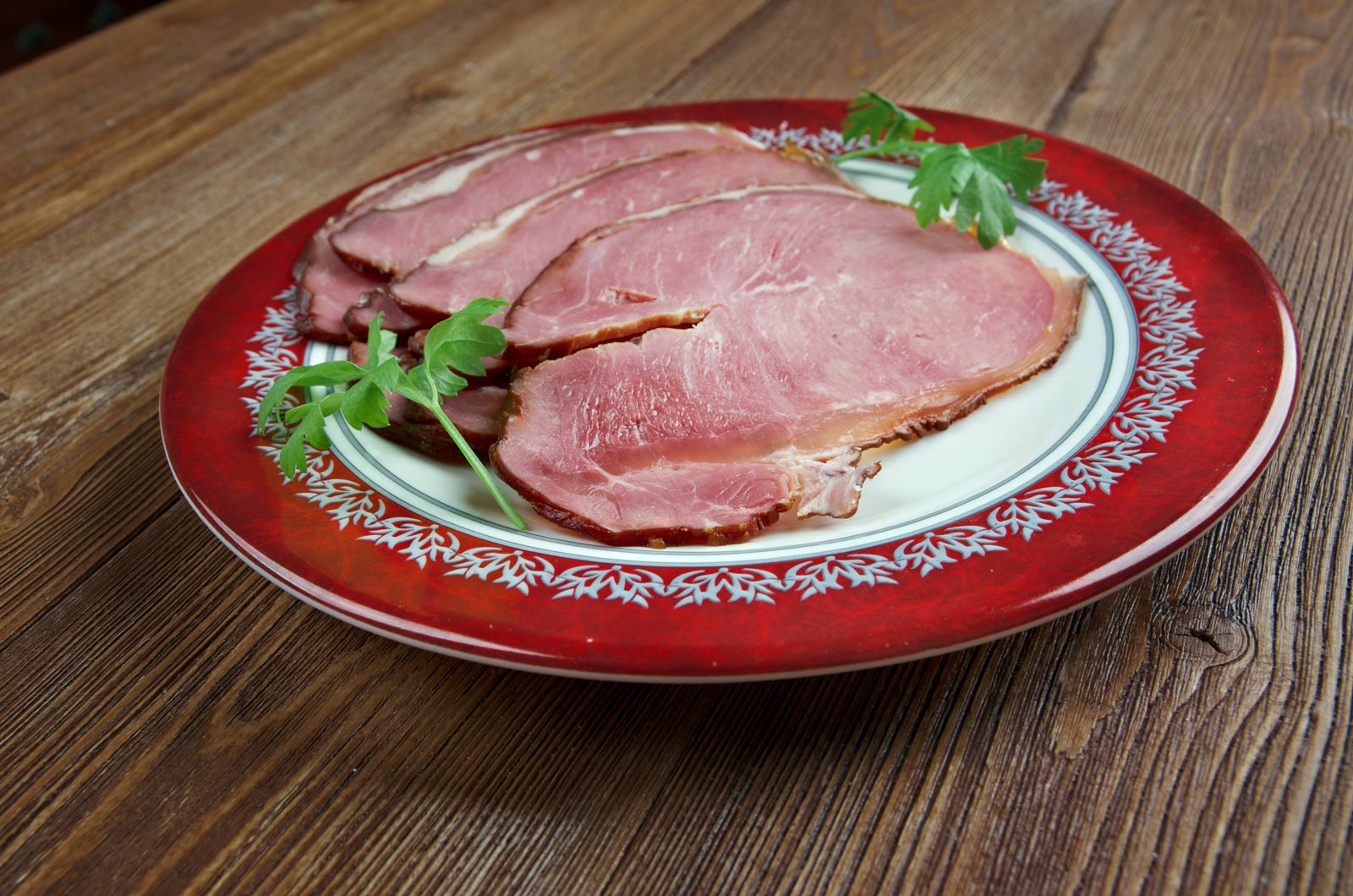 Medium
📜 Story
Medium
📜 Story
Lambahryggur
Icelandic Lamb Rack
Sunday roast, celebrations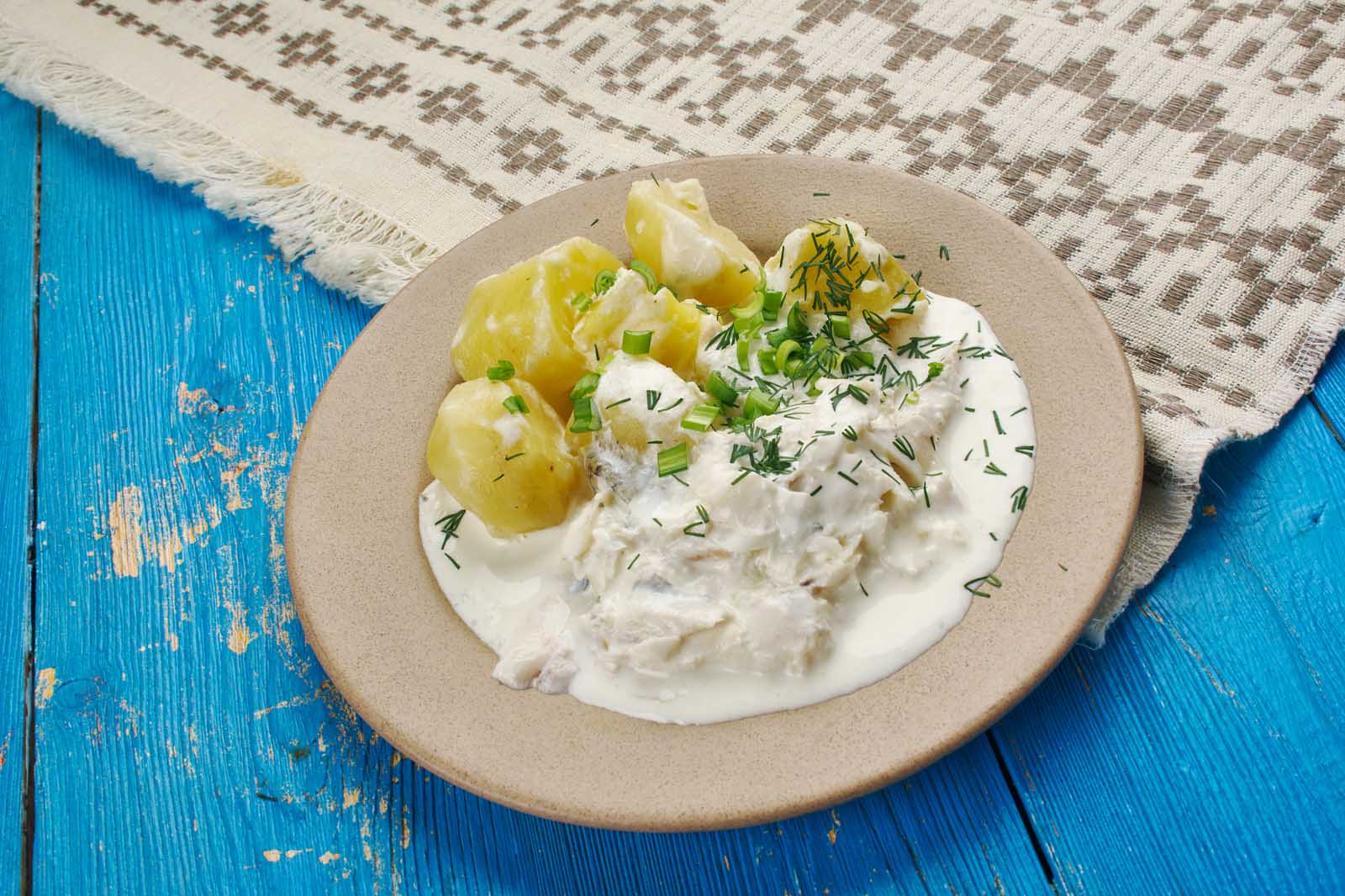 Easy
📜 Story
Easy
📜 Story
Plokkari
Fish and Potato Mash
Weeknight dinner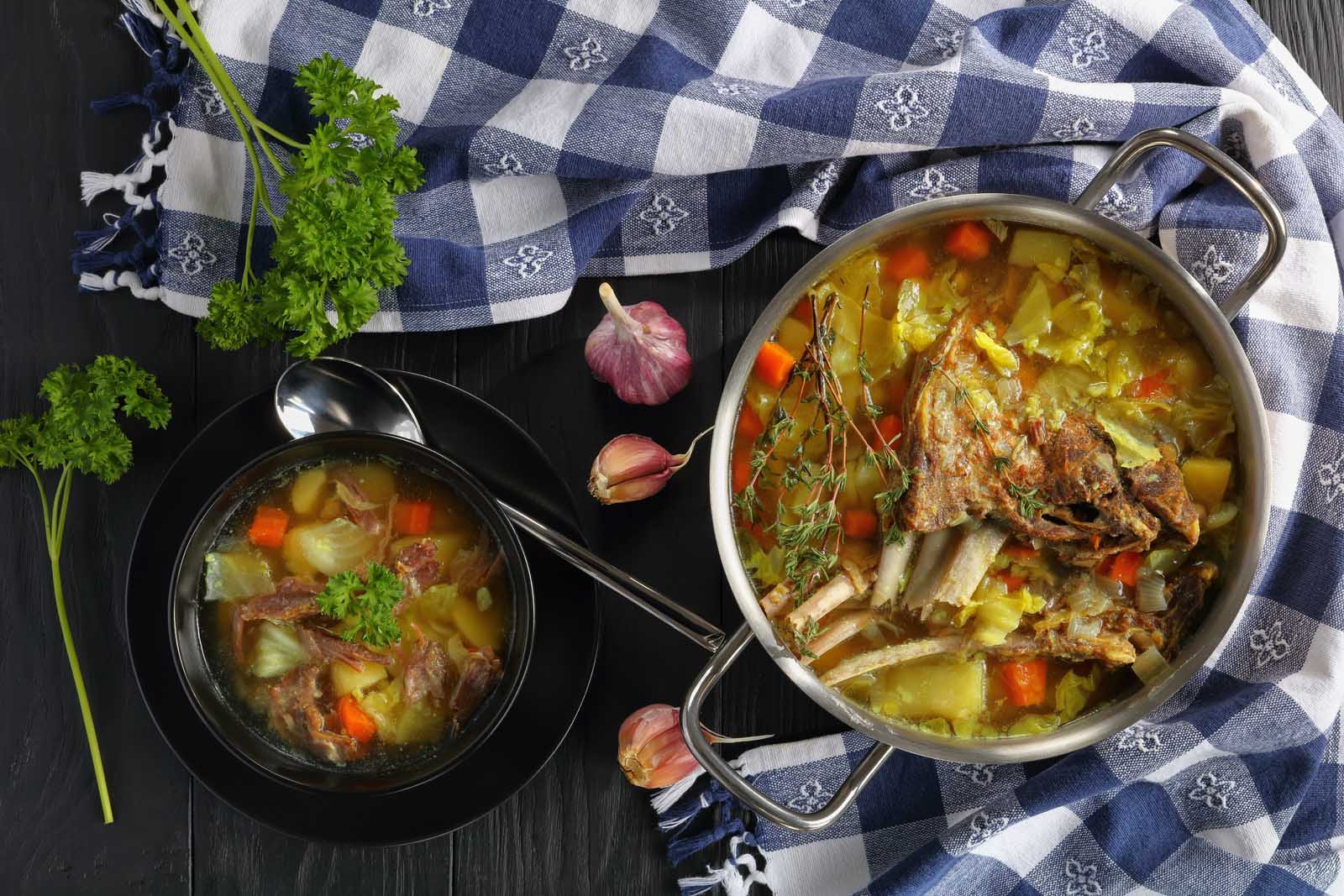 Easy
📜 Story
Easy
📜 Story
Plokkfiskur
Mashed Fish
Dinner, everyday meal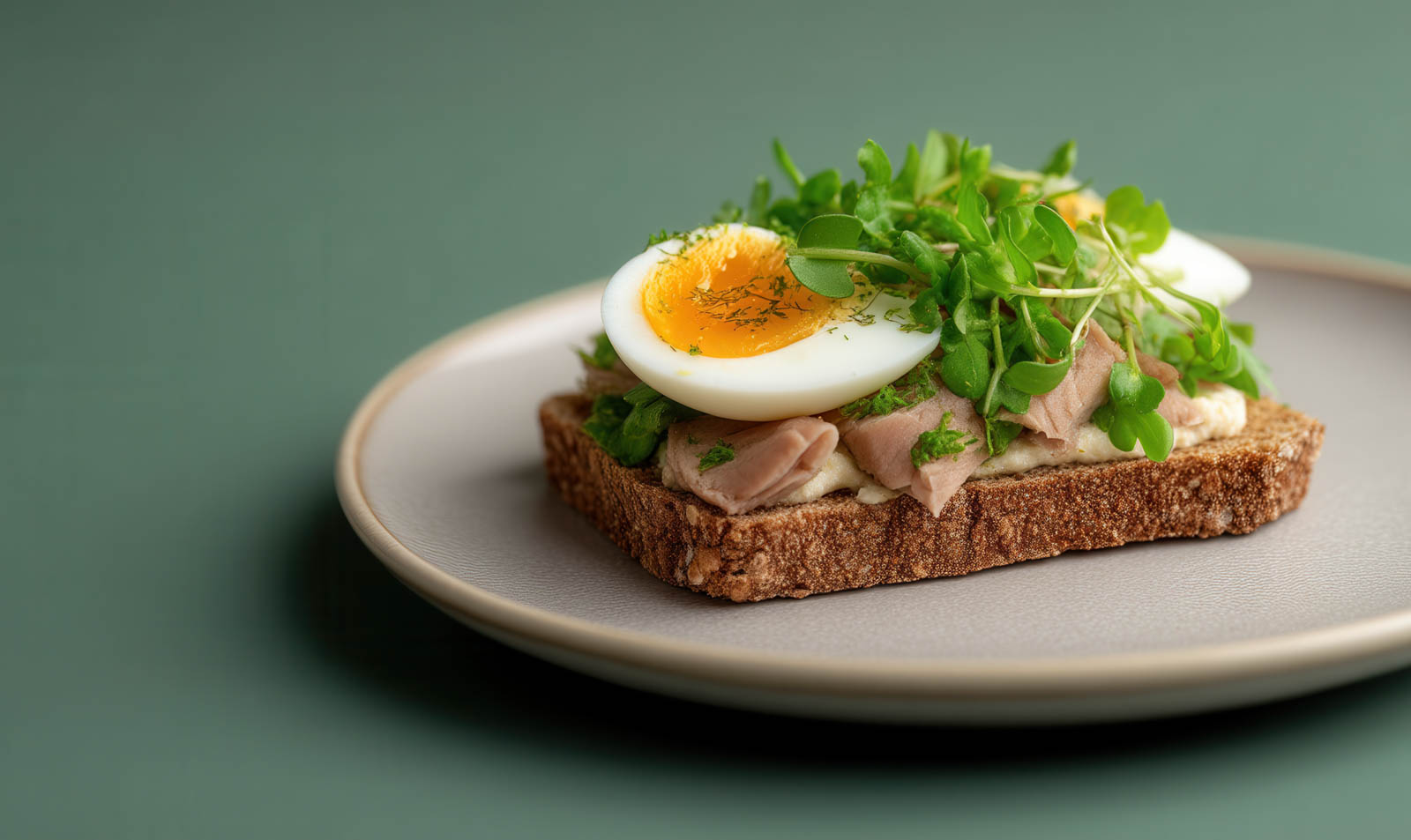 Easy
📜 Story
Easy
📜 Story
Saltfiskur
Salt Cod
Traditional daily meal Hard
📜 Story
Hard
📜 Story
Slátur
Icelandic Blood Pudding
Þorrablót, autumn slaughter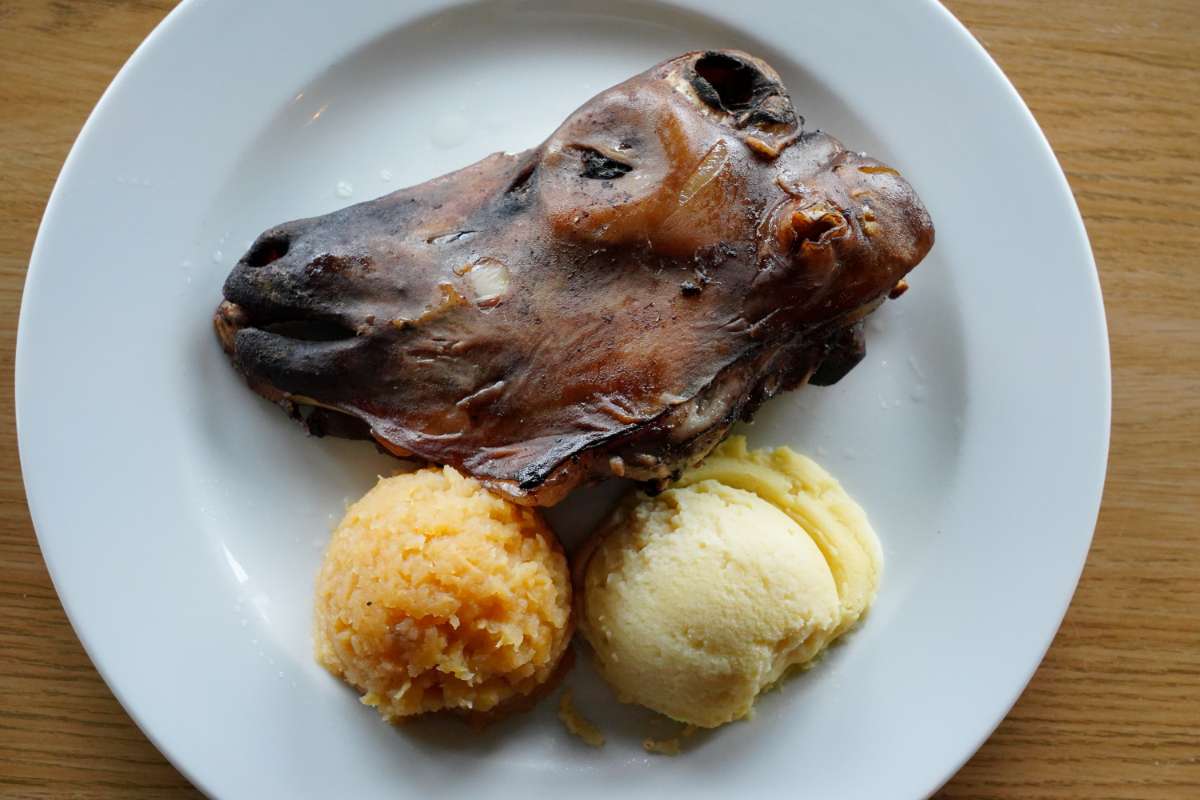 Hard
📜 Story
Hard
📜 Story
Svið
Singed Sheep Head
Þorrablót midwinter festival