🇰🇮
I-Kiribati Cuisine
Straddling the Dateline
Oceania
›
Oceania
8
Dishes
6
Categories
Explore
I-Kiribati cuisine is minimalist Pacific island cooking from one of the world's most remote and climate-threatened nations.
A Culinary Portrait
The heritage, flavors, and traditions of I-Kiribati cuisine
I-Kiribati cuisine is shaped by one of the most extreme environments inhabited by any food culture on Earth: thirty-three low-lying coral atolls and reef islands scattered across 3.5 million square kilometers of the central Pacific Ocean. With virtually no arable soil, minimal elevation, and limited freshwater, the Micronesian people of Kiribati developed a cuisine of extraordinary resourcefulness built almost entirely on what the ocean and coconut palm provide. Coconut is the staff of life, supplying food, drink, oil, and building material. Fish, shellfish, and seaweed from the surrounding reefs and deep ocean constitute the primary protein sources.
Kiribati's isolation limited external culinary influence until the arrival of European whalers, traders, and missionaries in the nineteenth century. British colonial rule (as the Gilbert Islands) from 1892 to 1979 introduced tinned foods, rice, flour, and sugar that supplemented but did not replace traditional foods. Japanese occupation during World War II and subsequent American military presence introduced additional food products.
Today, imported rice and canned goods have become dietary staples alongside traditional foods, creating tension between nutritional health and modern convenience. Climate change and rising sea levels pose an existential threat to I-Kiribati food sovereignty. Coconut (in every form: fresh, dried copra, cream, oil, and toddy), breadfruit (a critical starchy staple), pandanus fruit (te kaina, eaten fresh and preserved), reef fish (the primary protein), and seaweed (harvested and eaten fresh or dried).
Kiribati's isolation limited external culinary influence until the arrival of European whalers, traders, and missionaries in the nineteenth century. British colonial rule (as the Gilbert Islands) from 1892 to 1979 introduced tinned foods, rice, flour, and sugar that supplemented but did not replace traditional foods. Japanese occupation during World War II and subsequent American military presence introduced additional food products.
Today, imported rice and canned goods have become dietary staples alongside traditional foods, creating tension between nutritional health and modern convenience. Climate change and rising sea levels pose an existential threat to I-Kiribati food sovereignty. Coconut (in every form: fresh, dried copra, cream, oil, and toddy), breadfruit (a critical starchy staple), pandanus fruit (te kaina, eaten fresh and preserved), reef fish (the primary protein), and seaweed (harvested and eaten fresh or dried).
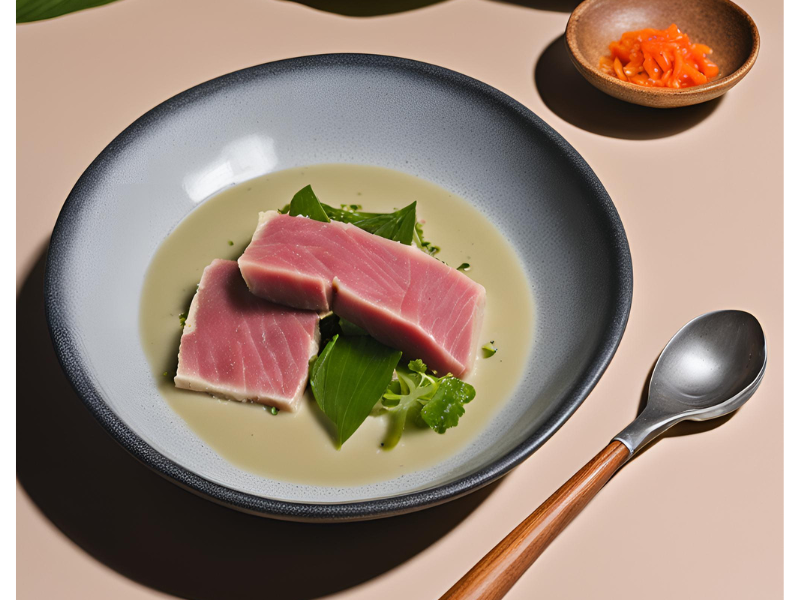 Coconut Fish Curry
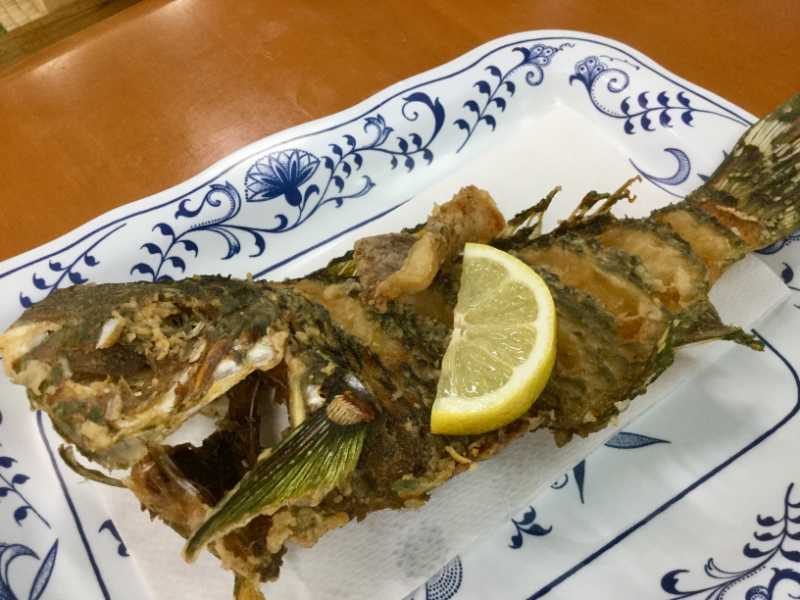 Fried Flying Fish
Grilled Reef Fish
Fried Flying Fish
Grilled Reef Fish
Key Flavors
curry
fish
fried
fish
grilled
fish
octopus
coconut
sea cucumber
braised
smoked
tuna
Masters of the Kitchen
The chefs who shaped I-Kiribati cuisine
Teweiariki Teaero
I-Kiribati food culture advocate who has documented traditional Kiribati cookin…
Click to read moreEssential Reading
The cookbooks that define I-Kiribati cuisine
Pacific Island Food and Nutrition
Pacific Island Food and Nutrition
A guide to Pacific Island cuisines including Kiribati, covering traditional foods, cooking methods, and nutritional asp…
Explore All Dishes
8 authentic recipes from I-Kiribati cuisine
Difficulty:
Time:
Sort:
Showing 8 of 8 dishes
Medium
📜 Story
Coconut Fish Curry
Fish Simmered in Spiced Coconut
Dinner
Easy
📜 Story
Fried Flying Fish
Pan-Fried Flying Fish
Quick lunch or evening snack
Medium
📜 Story
Grilled Reef Fish
Charcoal Grilled Reef Fish
Evening meal Medium
📜 Story
Medium
📜 Story
Octopus in Coconut
Braised Octopus in Coconut Cream
Special meals and family gatherings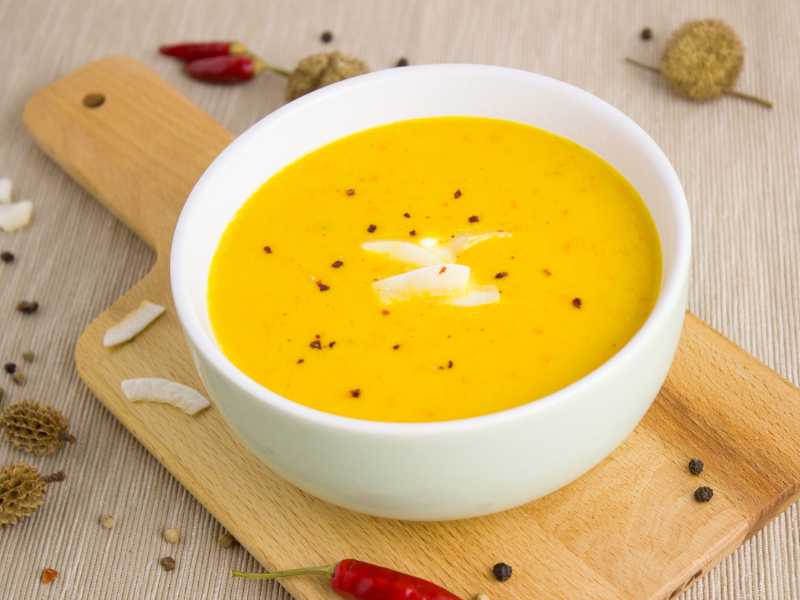 Hard
📜 Story
Hard
📜 Story
Sea Cucumber Stew
Braised Sea Cucumber in Coconut
Special occasions Hard
📜 Story
Hard
📜 Story
Smoked Tuna
Coconut-Husk Smoked Tuna
Preservation method for surplus catch Easy
📜 Story
Easy
📜 Story
Te Bua
Boiled Fish with Coconut
Any meal, daily Medium
📜 Story
Medium
📜 Story
Te Kabara
Coconut Crab
Feasts and honored guest meals