
🇬🇾
Guyanese Cuisine
Land of Six Peoples
Americas
›
South America
2
Dishes
5
Categories
Explore
Guyanese cuisine is South America's most diverse, blending Indian, African, Chinese, Portuguese, Amerindian, and Creole flavors. Curry, roti, and pepperpot reflect this incredible cultural mix.
A Culinary Portrait
The heritage, flavors, and traditions of Guyanese cuisine
Guyanese cuisine is the most remarkably diverse food tradition in the Caribbean, forged from the convergence of indigenous Amerindian, African, East Indian, Chinese, Portuguese, and British culinary traditions in South America's only English-speaking country. The indigenous Arawak and Warao peoples established the foundational use of cassava, peppers, and the bitter cassava juice extract called casareep that defines Guyana's most famous dish, pepperpot. The dense Amazonian rainforest, wide savannas, and Atlantic coastline provide an extraordinary range of ingredients from tropical fruits to river fish to wild game. British colonial plantation agriculture brought enslaved Africans who contributed one-pot cooking, ground provision cultivation, and the transformation of meager ingredients into deeply flavored dishes.
After emancipation, indentured laborers from India, China, and Portugal arrived in waves, each bringing distinctive culinary traditions. East Indian influence is perhaps the strongest, making roti, curry, dal, and chutney as fundamental to Guyanese cuisine as any African or indigenous preparation. Chinese immigrants introduced stir-frying and fried rice.
Portuguese settlers brought garlic bread and baking traditions. The result is a cuisine where curry and roti sit alongside African-descended cook-up rice and Amerindian pepperpot on the same family table. Casareep (fermented bitter cassava juice, essential to pepperpot), curry powder (the Guyanese blend is distinctive, heavy on cumin and turmeric), wiri wiri peppers (tiny, fiery local chilies), coconut milk (used in curries and rice dishes), and green seasoning (a blended herb paste of cilantro, thyme, scallions, garlic, and peppers).
After emancipation, indentured laborers from India, China, and Portugal arrived in waves, each bringing distinctive culinary traditions. East Indian influence is perhaps the strongest, making roti, curry, dal, and chutney as fundamental to Guyanese cuisine as any African or indigenous preparation. Chinese immigrants introduced stir-frying and fried rice.
Portuguese settlers brought garlic bread and baking traditions. The result is a cuisine where curry and roti sit alongside African-descended cook-up rice and Amerindian pepperpot on the same family table. Casareep (fermented bitter cassava juice, essential to pepperpot), curry powder (the Guyanese blend is distinctive, heavy on cumin and turmeric), wiri wiri peppers (tiny, fiery local chilies), coconut milk (used in curries and rice dishes), and green seasoning (a blended herb paste of cilantro, thyme, scallions, garlic, and peppers).
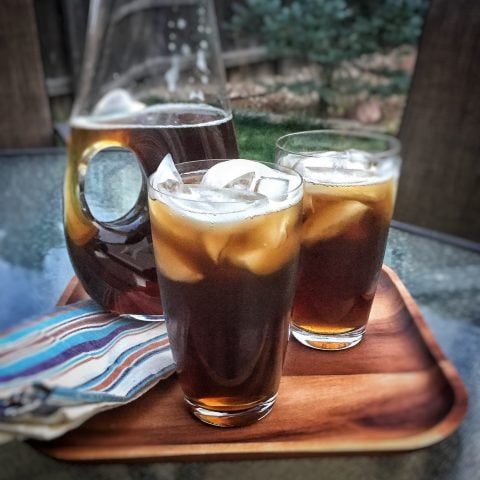 Mauby
Mauby
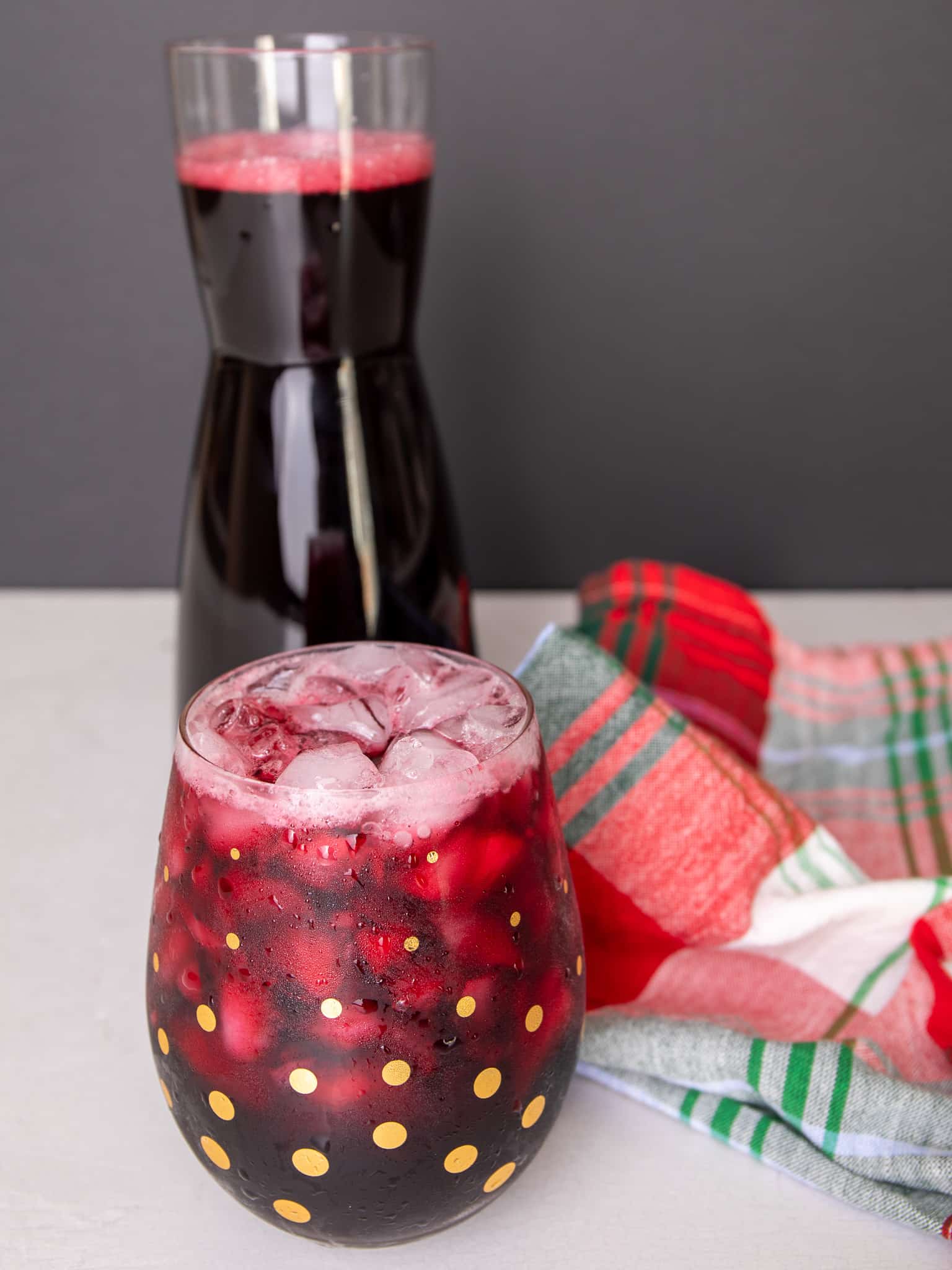 Sorrel Drink
Key Flavors
beverage
traditional
Christmas
beverage
Masters of the Kitchen
The chefs who shaped Guyanese cuisine
Chef Doreen
Guyanese chef and culinary educator who has popularized traditional Guyanese cu…
Click to read moreEssential Reading
The cookbooks that define Guyanese cuisine
A Taste of Guyana
A Taste of Guyana
A collection of traditional Guyanese recipes reflecting the country's diverse Indian, African, Chinese, and Amerindian …
Explore All Dishes
2 authentic recipes from Guyanese cuisine
Difficulty:
Time:
Sort:
Showing 2 of 2 dishes