🇬🇼
Guinea-Bissauan Cuisine
Land of Rivers and Mangroves
Africa
›
West Africa
2
Dishes
6
Categories
Explore
Guinea-Bissauan cuisine blends Portuguese influences with West African staples. Rice, cashews, and seafood from the Bijagos archipelago feature prominently.
A Culinary Portrait
The heritage, flavors, and traditions of Guinea-Bissauan cuisine
Guinea-Bissauan cuisine reflects the rich culinary heritage of West Africa's Atlantic coast, where the Balanta, Fula, Mandinka, Papel, and Manjaco peoples developed cooking traditions shaped by the country's rivers, estuaries, mangrove swamps, and tropical forests. Rice is the undisputed staple, cultivated in the flooded paddies of the coastal lowlands for centuries, and no meal in Guinea-Bissau is considered complete without it. Cashew nuts, palm oil, tropical fruits, and the abundant fish and shellfish of the Atlantic coastline round out a diet deeply connected to the land and sea.
Portuguese colonization, lasting from the fifteenth century until independence in 1974 after a prolonged liberation war, left significant culinary traces. Portuguese-influenced dishes, the Creole (Kriol) culture of the mixed-heritage population centered in Bissau, and ingredients like tomatoes, onions, and garlic became integral to the cuisine.
Cape Verdean culinary influence is strong, given the historical administrative links between the two countries. Neighboring Senegal and Guinea-Conakry share many dishes and ingredients, and the broader Senegambian culinary tradition of groundnut stews, jollof rice, and palm oil-based cooking shapes Guinea-Bissauan food identity. Palm oil (the foundational cooking fat), groundnuts (peanuts, used in soups, stews, and sauces), dried fish (smoked and sun-dried, adding depth to stews), cashew nuts (Guinea-Bissau is a major producer), and malagueta peppers (fiery and essential).
Portuguese colonization, lasting from the fifteenth century until independence in 1974 after a prolonged liberation war, left significant culinary traces. Portuguese-influenced dishes, the Creole (Kriol) culture of the mixed-heritage population centered in Bissau, and ingredients like tomatoes, onions, and garlic became integral to the cuisine.
Cape Verdean culinary influence is strong, given the historical administrative links between the two countries. Neighboring Senegal and Guinea-Conakry share many dishes and ingredients, and the broader Senegambian culinary tradition of groundnut stews, jollof rice, and palm oil-based cooking shapes Guinea-Bissauan food identity. Palm oil (the foundational cooking fat), groundnuts (peanuts, used in soups, stews, and sauces), dried fish (smoked and sun-dried, adding depth to stews), cashew nuts (Guinea-Bissau is a major producer), and malagueta peppers (fiery and essential).
 Arroz de Tomate
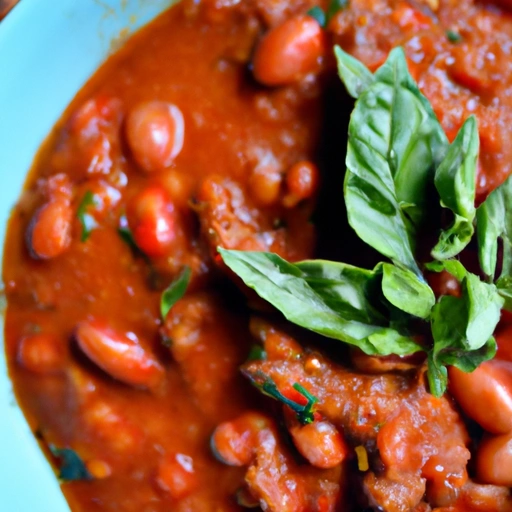 Djagatu Refogado
Key Flavors
rice
tomato
eggplant
vegetable
Masters of the Kitchen
The chefs who shaped Guinea-Bissauan cuisine
Fatima Djalo
Guinea-Bissauan chef and culinary advocate who has worked to preserve the tradi…
Click to read moreEssential Reading
The cookbooks that define Guinea-Bissauan cuisine
A Taste of Africa: Traditional and Mode…
A Taste of Africa: Traditional and Modern African Cooking
An exploration of African cuisines including West African traditions relevant to Guinea-Bissauan cooking.
Explore All Dishes
2 authentic recipes from Guinea-Bissauan cuisine
Difficulty:
Time:
Sort:
Showing 2 of 2 dishes