🇬🇹
Guatemalan Cuisine
Heart of the Maya World
Americas
›
Central America
3
Dishes
6
Categories
Explore
Guatemalan cuisine carries deep Maya heritage, with corn, black beans, and chilies forming the foundation. Tamales, pepian stew, and handmade tortillas connect past to present.
A Culinary Portrait
The heritage, flavors, and traditions of Guatemalan cuisine
Guatemalan cuisine is one of the Americas' most ancient and layered food traditions, rooted in the Maya civilization that flourished in the highlands and lowlands of present-day Guatemala for over two thousand years. Corn (maize) is the sacred foundation, revered in the Popol Vuh creation myth as the substance from which humanity was formed. The Maya developed nixtamalization, the alkaline processing of corn that unlocks its nutrients and creates the masa dough used for tortillas and tamales.
Alongside corn, the Maya cultivated beans, squash, chilies, cacao, and tomatoes, establishing the core ingredients that define Guatemalan cooking to this day. Spanish conquest beginning in 1524 introduced wheat, rice, cattle, dairy, olive oil, and European cooking techniques, but Maya culinary traditions proved remarkably resilient.
The resulting mestizo cuisine blends indigenous and Spanish elements in distinct ways across Guatemala's dramatically varied geography: the cool highlands, the tropical Pacific coast, the Caribbean lowlands, and the Peten jungle each maintain distinctive culinary identities. Guatemala's large indigenous Maya population, representing roughly half the country, maintains pre-Columbian cooking traditions more intact than almost anywhere else in the Americas. Masa (nixtamalized corn dough), chili peppers (fresh and dried varieties including guaque, pasa, and cobanero), recado (spice pastes combining roasted seeds, spices, and chilies), pepitoria (toasted pumpkin seeds ground into sauces), and achiote (annatto for color and flavor).
Alongside corn, the Maya cultivated beans, squash, chilies, cacao, and tomatoes, establishing the core ingredients that define Guatemalan cooking to this day. Spanish conquest beginning in 1524 introduced wheat, rice, cattle, dairy, olive oil, and European cooking techniques, but Maya culinary traditions proved remarkably resilient.
The resulting mestizo cuisine blends indigenous and Spanish elements in distinct ways across Guatemala's dramatically varied geography: the cool highlands, the tropical Pacific coast, the Caribbean lowlands, and the Peten jungle each maintain distinctive culinary identities. Guatemala's large indigenous Maya population, representing roughly half the country, maintains pre-Columbian cooking traditions more intact than almost anywhere else in the Americas. Masa (nixtamalized corn dough), chili peppers (fresh and dried varieties including guaque, pasa, and cobanero), recado (spice pastes combining roasted seeds, spices, and chilies), pepitoria (toasted pumpkin seeds ground into sauces), and achiote (annatto for color and flavor).
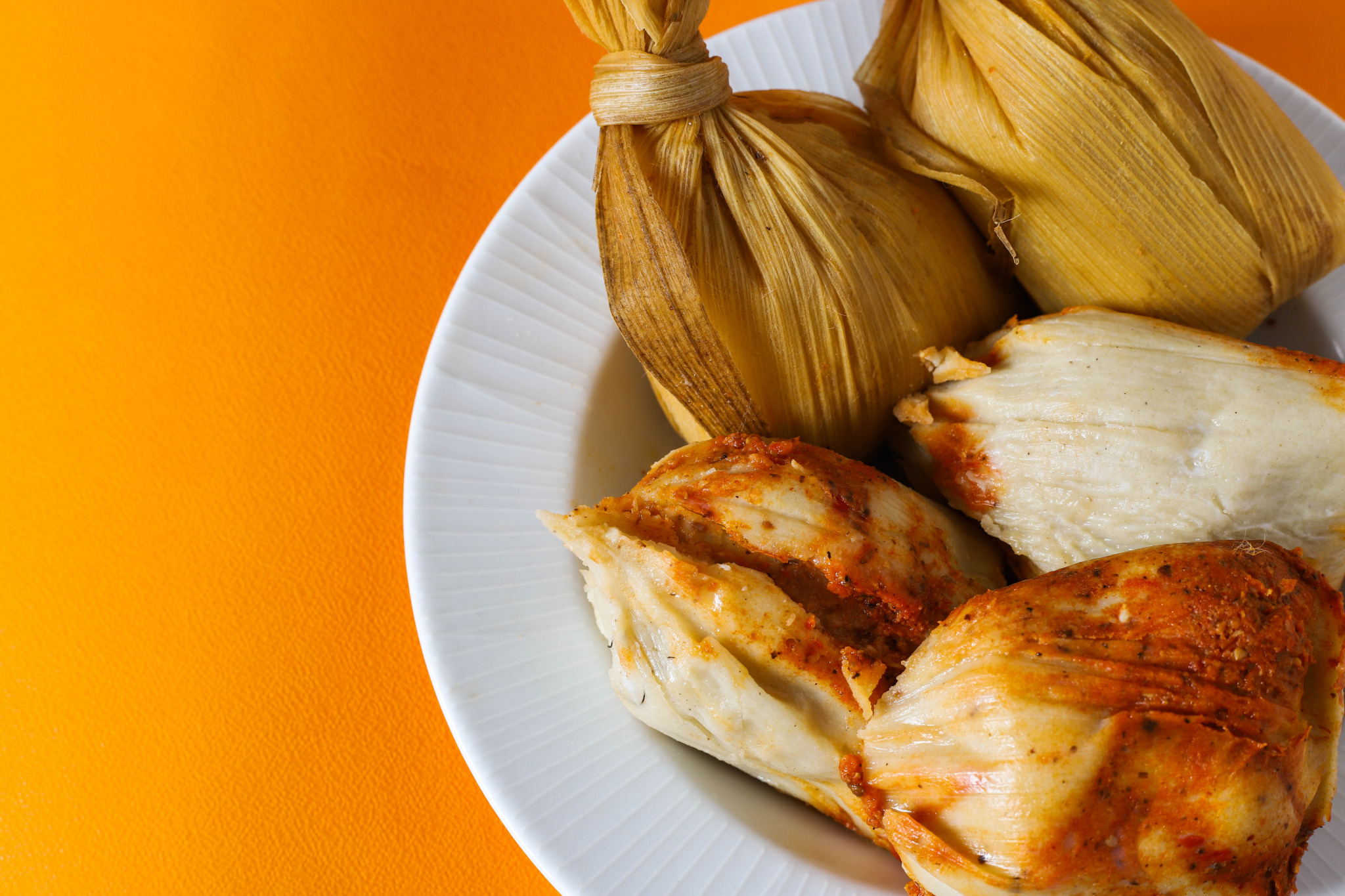 Chuchitos
 Empanadas Guatemaltecas
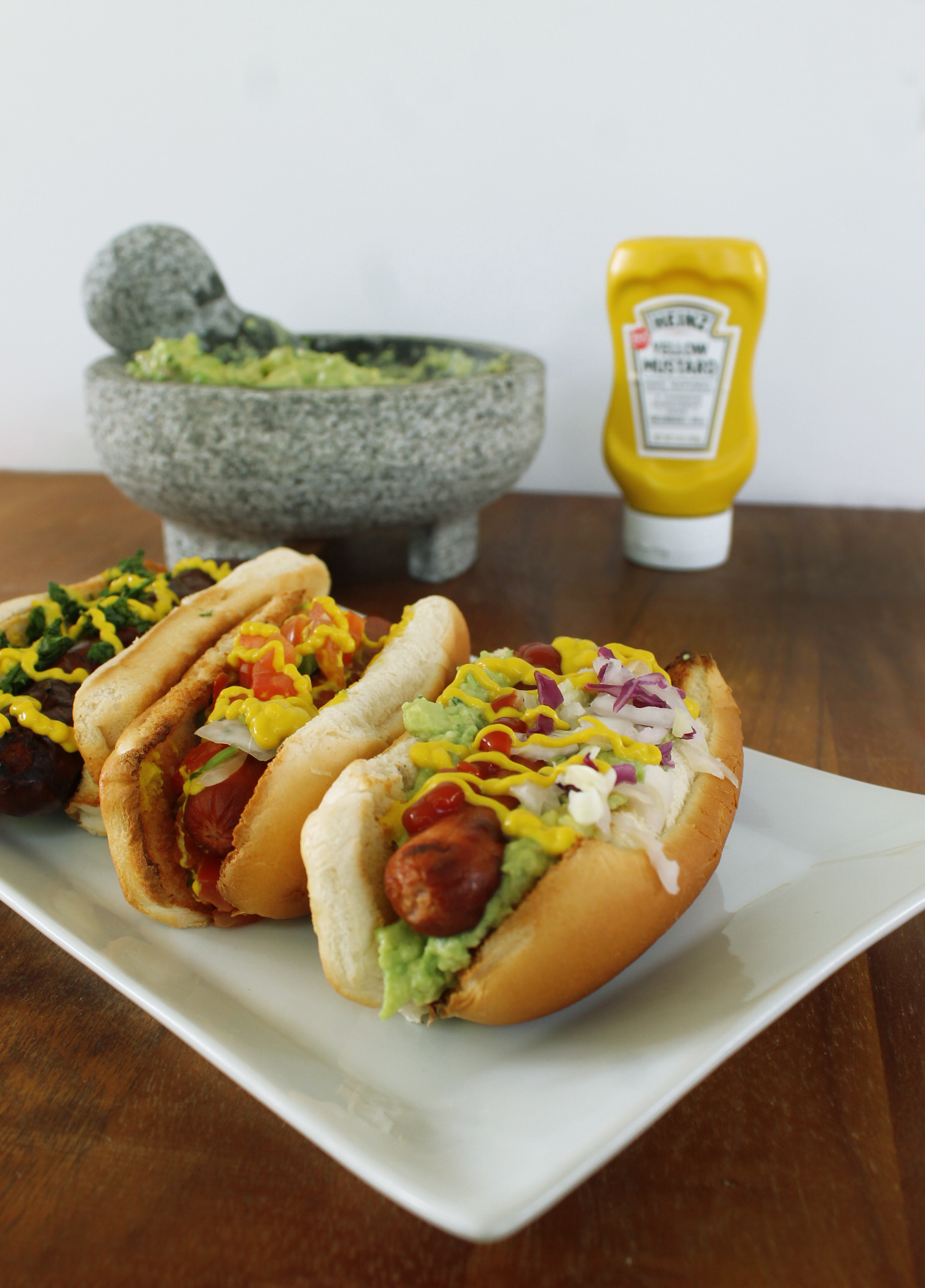 Shucos
Key Flavors
tamale
corn
empanada
fried
street food
sausage
Masters of the Kitchen
The chefs who shaped Guatemalan cuisine
Mirciny Moliviatis
Guatemalan chef, food writer, and TV personality who has championed traditional…
Click to read moreEssential Reading
The cookbooks that define Guatemalan cuisine
The Guatemala Cookbook
The Guatemala Cookbook
A collection of traditional Guatemalan recipes reflecting the country's Mayan heritage and Spanish colonial influences.
Explore All Dishes
3 authentic recipes from Guatemalan cuisine
Difficulty:
Time:
Sort:
Showing 3 of 3 dishes