
🇬🇩
Grenadian Cuisine
Spice Island
Americas
›
Caribbean
5
Dishes
6
Categories
Explore
Grenadian cuisine is infused with the island's famous spices — nutmeg, cinnamon, and cloves flavor everything from stews to drinks on this aromatic Caribbean gem.
A Culinary Portrait
The heritage, flavors, and traditions of Grenadian cuisine
Grenadian cuisine is the aromatic soul of the Caribbean, shaped by the volcanic island's extraordinary spice production that earned it the nickname Isle of Spice. Nutmeg, mace, cinnamon, cloves, ginger, and turmeric grow in abundance on Grenada's lush hillsides, infusing the cuisine with a fragrance and depth unmatched in the region. The indigenous Kalinago (Carib) people cultivated cassava, corn, and tropical fruits before European contact. French colonization from 1650 introduced plantation agriculture, Creole cooking techniques, and the cultural blend of African, French, and indigenous traditions that defines Grenadian food identity.
British colonial rule from 1763 until independence in 1974 added English-language culture and certain baking traditions, but the French Creole culinary foundation proved more enduring. Enslaved West Africans brought one-pot cooking traditions, provision ground agriculture, and the resourceful transformation of basic ingredients into complex, flavorful dishes. East Indian indentured laborers introduced curry powder, roti, and dal.
The spice trade, particularly nutmeg (Grenada is the world's second-largest producer), shapes not only the economy but the cuisine itself, with nutmeg appearing in beverages, desserts, savory dishes, and even rum punch. Nutmeg (fresh, grated into everything from desserts to rum punch), turmeric (locally grown and used fresh), thyme (the Caribbean herb essential to seasoning), scotch bonnet peppers (providing fierce, fruity heat), and coconut (milk, cream, and flesh used in cooking and confections).
British colonial rule from 1763 until independence in 1974 added English-language culture and certain baking traditions, but the French Creole culinary foundation proved more enduring. Enslaved West Africans brought one-pot cooking traditions, provision ground agriculture, and the resourceful transformation of basic ingredients into complex, flavorful dishes. East Indian indentured laborers introduced curry powder, roti, and dal.
The spice trade, particularly nutmeg (Grenada is the world's second-largest producer), shapes not only the economy but the cuisine itself, with nutmeg appearing in beverages, desserts, savory dishes, and even rum punch. Nutmeg (fresh, grated into everything from desserts to rum punch), turmeric (locally grown and used fresh), thyme (the Caribbean herb essential to seasoning), scotch bonnet peppers (providing fierce, fruity heat), and coconut (milk, cream, and flesh used in cooking and confections).
 Coconut Turnover
 Grenadian Black Cake
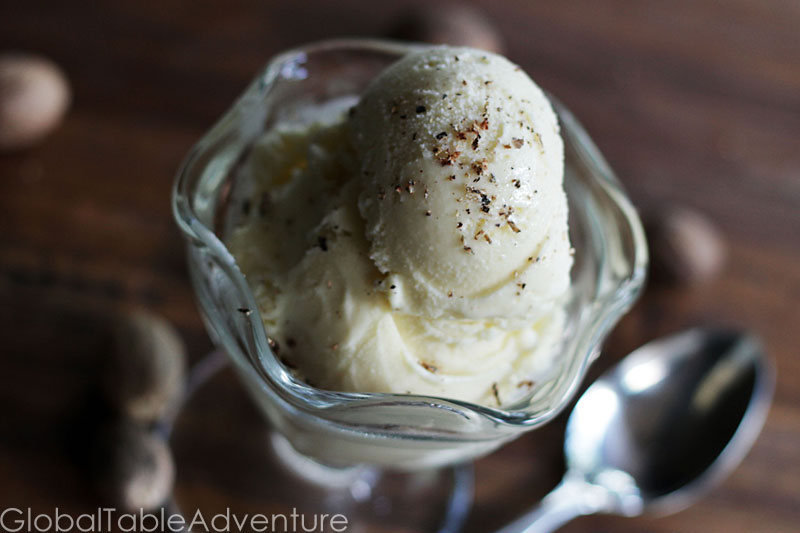 Nutmeg Ice Cream
Key Flavors
dessert
pastry
dessert
cake
dessert
spice-island
dessert
cake
dessert
coconut
Masters of the Kitchen
The chefs who shaped Grenadian cuisine
Belinda Bishop
Grenadian chef known for her work with traditional Grenadian spice cuisine, par…
Click to read moreEssential Reading
The cookbooks that define Grenadian cuisine
Grenada Chocolate and Spice Cookbook
Grenada Chocolate and Spice Cookbook
A celebration of Grenada's culinary heritage centered on the island's famous spice production and cocoa traditions.
Explore All Dishes
5 authentic recipes from Grenadian cuisine
Difficulty:
Time:
Sort:
Showing 5 of 5 dishes
Medium
📜 Story
Coconut Turnover
Coconut-Filled Pastry
Afternoon snack or tea time
Hard
📜 Story
Grenadian Black Cake
Rum-Soaked Dried Fruit Cake
Christmas and weddings
Easy
📜 Story
Nutmeg Ice Cream
Spiced Ice Cream
Dessert, any time Medium
📜 Story
Medium
📜 Story
Nutmeg Syrup Cake
Spiced Nutmeg Drizzle Cake
Afternoon tea or celebrations Easy
📜 Story
Easy
📜 Story
Sugar Cake
Coconut and Ginger Sugar Confection
Snack or treat anytime