🇬🇲
Gambian Cuisine
Smiling Coast of Africa
Africa
›
West Africa
7
Dishes
5
Categories
Explore
Gambian cuisine revolves around rice and groundnuts, with domoda (peanut stew) as the national favorite and fresh Atlantic seafood adding coastal flair.
A Culinary Portrait
The heritage, flavors, and traditions of Gambian cuisine
Gambian cuisine is shaped by the Gambia River, the lifeblood of Africa's smallest mainland nation, whose waters, wetlands, and fertile banks have sustained Mandinka, Wolof, Fula, Jola, and other peoples for centuries. Rice cultivation along the river's floodplains is the foundation of Gambian food culture, and rice appears at virtually every meal, accompanied by richly sauced preparations of fish, chicken, vegetables, or groundnuts. The West African tradition of one-pot cooking, where proteins and vegetables simmer together in a deeply flavored sauce ladled over rice, defines the Gambian table.
The trans-Saharan trade routes brought Arab spices, rice varieties, and Islamic dietary customs that shaped Gambian cooking. Portuguese explorers arrived in the fifteenth century, and subsequent British colonial rule from the nineteenth century until independence in 1965 introduced bread baking and tea culture but left Gambian food traditions largely intact.
Neighboring Senegal, which surrounds The Gambia on three sides, shares many dishes and culinary concepts, and the cross-border culinary exchange is constant and organic. The Mandinka and Wolof peoples maintain the strongest culinary traditions, with distinct rice dishes, groundnut stews, and fish preparations that define everyday eating. Groundnuts (peanuts, the defining ingredient of Gambian cuisine), palm oil (for cooking and flavor), dried fish (smoked and fermented, adding umami depth), scotch bonnet peppers (providing fierce heat), and locust beans (dawadawa, a fermented seasoning).
The trans-Saharan trade routes brought Arab spices, rice varieties, and Islamic dietary customs that shaped Gambian cooking. Portuguese explorers arrived in the fifteenth century, and subsequent British colonial rule from the nineteenth century until independence in 1965 introduced bread baking and tea culture but left Gambian food traditions largely intact.
Neighboring Senegal, which surrounds The Gambia on three sides, shares many dishes and culinary concepts, and the cross-border culinary exchange is constant and organic. The Mandinka and Wolof peoples maintain the strongest culinary traditions, with distinct rice dishes, groundnut stews, and fish preparations that define everyday eating. Groundnuts (peanuts, the defining ingredient of Gambian cuisine), palm oil (for cooking and flavor), dried fish (smoked and fermented, adding umami depth), scotch bonnet peppers (providing fierce heat), and locust beans (dawadawa, a fermented seasoning).
 Afra
Afra
 Akara
Akara
 Base Nyebeh
Key Flavors
grilled
street food
fritters
street food
porridge
breakfast
breakfast
porridge
fish
fried
breakfast
millet
Masters of the Kitchen
The chefs who shaped Gambian cuisine
Lamin Bojang
Gambian chef who has promoted traditional Gambian cuisine including benachin (J…
Click to read moreEssential Reading
The cookbooks that define Gambian cuisine
Simply West African
Simply West African
An exploration of West African cuisines including Gambian culinary traditions, from one of the foremost authorities on …
Explore All Dishes
7 authentic recipes from Gambian cuisine
Difficulty:
Time:
Sort:
Showing 7 of 7 dishes
Easy
📜 Story
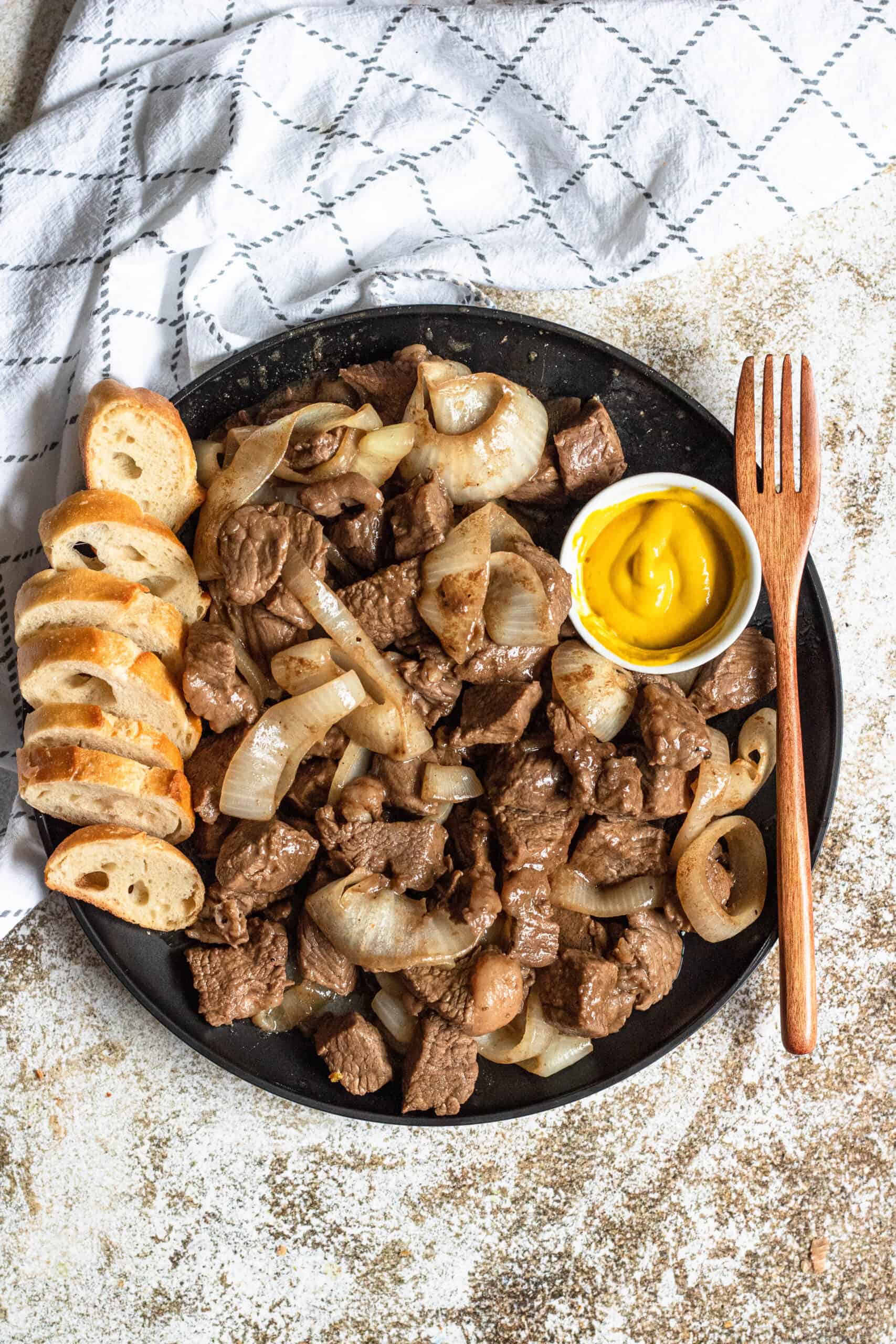
Afra
Grilled Spiced Meat
Evening street food
Easy
📜 Story
Akara
Black-Eyed Bean Fritters
Breakfast and street snack
Easy
📜 Story
Base Nyebeh
Bean and Grain Porridge
Breakfast or postpartum recovery food Easy
📜 Story
Easy
📜 Story
Churaa Gerteh
Groundnut Porridge with Couscous
Breakfast Easy
📜 Story
Easy
📜 Story
Gambian Fish Cake
Spiced Fish Fritters
Afternoon snack Easy
📜 Story
Easy
📜 Story
Mbahal
Groundnut Couscous
Breakfast or mid-morning snack Easy
📜 Story
Easy
📜 Story
Mburu Nak
Bean Sandwich
Breakfast