
🇬🇦
Gabonese Cuisine
Equatorial Eden
Africa
›
Central Africa
5
Dishes
4
Categories
Explore
Gabonese cuisine features tropical ingredients from dense equatorial forests — bush meat alternatives, river fish, plantains, and rich sauces made with nyembwe (palm fruit).
A Culinary Portrait
The heritage, flavors, and traditions of Gabonese cuisine
Gabonese cuisine is born in the dense equatorial rainforest of Central Africa, where the Fang, Myene, Nzebi, and over forty other ethnic groups developed cooking traditions shaped by the extraordinary biodiversity of one of Africa's last great wilderness areas. The forest provides an astonishing pantry: wild game, freshwater fish, tropical fruits, leafy greens, mushrooms, nuts, and the oil palm that produces the red palm oil foundational to Gabonese cooking. Root vegetables, particularly cassava and yams, form the starchy base of most meals, while plantains serve as both staple and snack.
French colonization from the nineteenth century until independence in 1960 left a significant culinary imprint, giving Gabon a baguette culture, cafe traditions, and French cooking techniques that blend with indigenous preparations. Gabon's coastal position on the Gulf of Guinea facilitated trade with other West and Central African peoples, creating shared culinary traditions with Cameroon, Congo, and Equatorial Guinea.
The country's relative prosperity from oil wealth has supported a cosmopolitan food scene in the capital Libreville, where French restaurants, Lebanese shops, and traditional Gabonese eateries coexist. Palm oil (the foundational cooking fat, providing color and flavor), nyembwe (palm nut cream, extracted from palm fruit), cassava (both the tuber and the fermented leaf), odika (wild mango seeds, ground into a chocolate-like paste for sauces), and hot peppers (providing essential heat).
French colonization from the nineteenth century until independence in 1960 left a significant culinary imprint, giving Gabon a baguette culture, cafe traditions, and French cooking techniques that blend with indigenous preparations. Gabon's coastal position on the Gulf of Guinea facilitated trade with other West and Central African peoples, creating shared culinary traditions with Cameroon, Congo, and Equatorial Guinea.
The country's relative prosperity from oil wealth has supported a cosmopolitan food scene in the capital Libreville, where French restaurants, Lebanese shops, and traditional Gabonese eateries coexist. Palm oil (the foundational cooking fat, providing color and flavor), nyembwe (palm nut cream, extracted from palm fruit), cassava (both the tuber and the fermented leaf), odika (wild mango seeds, ground into a chocolate-like paste for sauces), and hot peppers (providing essential heat).
 Banane Malaxée
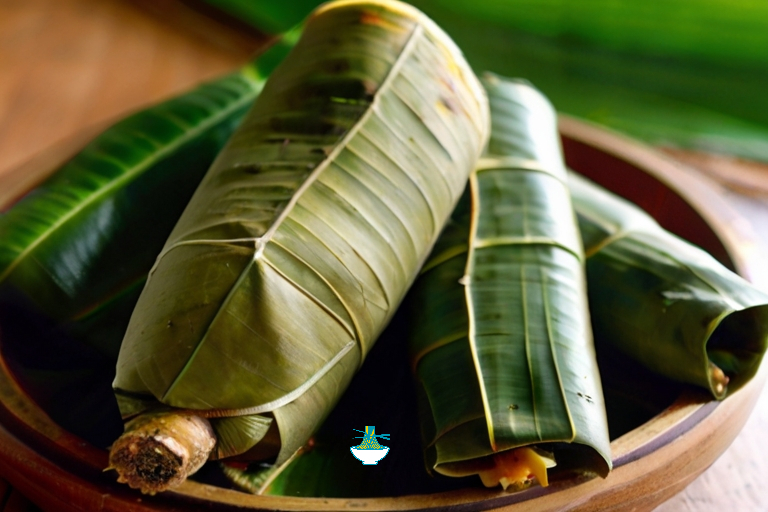 Bâton de Manioc
 Fufu
Fufu
Key Flavors
plantain
comfort food
cassava
fermented
staple
cassava
side
fried
condiment
spicy
Masters of the Kitchen
The chefs who shaped Gabonese cuisine
Chef Anto (Anto Cocagne)
Central African-born chef who has been a leading advocate for Gabonese and Cent…
Click to read moreEssential Reading
The cookbooks that define Gabonese cuisine
The Africa Cookbook: Tastes of a Contin…
The Africa Cookbook: Tastes of a Continent
A comprehensive reference covering cuisines across Africa including Central and West African traditions.
Explore All Dishes
5 authentic recipes from Gabonese cuisine
Difficulty:
Time:
Sort:
Showing 5 of 5 dishes
Easy
📜 Story
Banane Malaxée
Mashed Plantain
Breakfast or side dish
Medium
📜 Story
Bâton de Manioc
Cassava Sticks
Accompaniment to any meal
Medium
📜 Story
Fufu
Pounded Cassava Dough
Accompaniment to soups and stews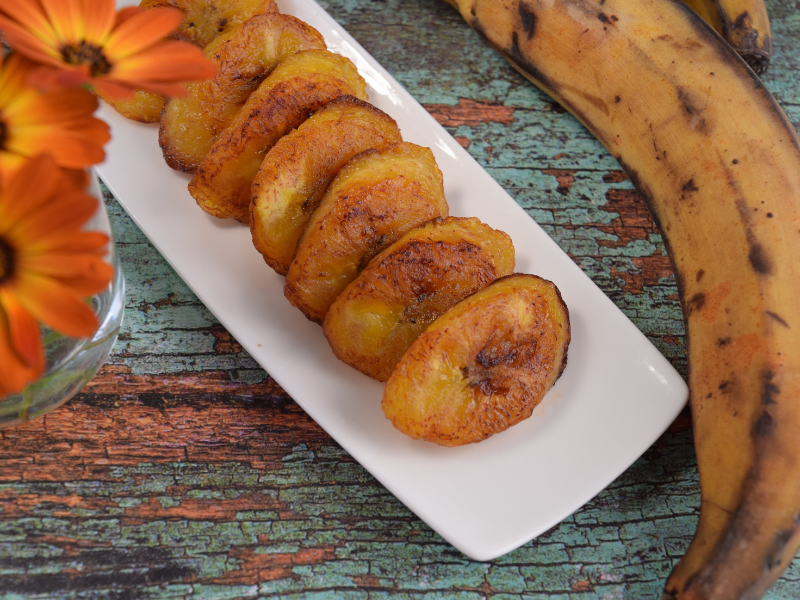 Easy
📜 Story
Easy
📜 Story
Plantains Frits
Fried Plantains
Accompaniment to any meal Easy
📜 Story
Easy
📜 Story
Sauce Piment
Gabonese Hot Pepper Sauce
Served with every meal